



Dilbert Cancelled After Satirising Woke Culture
Dilbert’s jibe at transracialism has triggered those quick to hurl accusations of transphobia.
Scott Adams’ comic strip Dilbert is hugely popular for its quirky depiction of office culture, poking fun at bumbling bureaucracy. Published since 1989, in 2013 it achieved a daily reach of 2,000 newspapers in 65 countries and 25 languages.
As the workplace of the eponymous main character is situated in Silicon Valley, one might rightly expect it to be at the forefront of progressive groupthink. Indeed, Adams told Fox News:
“All of the wokeness and anything that permeated from ESG [environmental, social, and governance] … that stuff made its way into the business world, and then, it became proper content for Dilbert.”
Transracial
Adams recently introduced a new character, Dave, who enjoys teasing his boss. Dave is the first black character in Dilbert, and named after Adams’ own brother. Every character has a laughable personality flaw, and Adams had hesitated to include a black one, afraid that he would be accused of racism if he had a black character with some lampoonable feature.
After attempting to crowdsource an idea for a suitable black character, Adams finally decided that the character’s flaw would be that he identifies as white — whether in jest or not, is yet to be revealed. This messes up his manager’s diversity targets.
Dilbert Comic for May 4: https://t.co/V6NFIdEZ6L
— Dilbert (@Dilbert_Daily) May 4, 2022
Real life can be stranger than fiction. Dave’s transracialism brings to mind Rachel Dolezal, a white woman who identified as black and Native American; she successfully hoodwinked African American members of the National Association for the Advancement of Colored People (NAACP), where she was president of the Spokane chapter from 2014-2015.
Another transracial aspirant is Oli London, a British social media influencer who came out as non-binary and Korean. “This is who I am. It’s in my DNA,” he asserted.
I am Korean whether people accept it or not this is how I identify, this is what makes me happy. This is who I am. It’s in my DNA🧬 🇰🇷🙏🏻 #koreanman #olilondon
— Oli London (@OliLondonTV) June 20, 2021
Unexpected Criticism
Dave did generate backlash – but not in the way Adams expected. Instead of being accused of racism, he was accused of transphobia. Offended parties interpreted his comic as ridiculing the notion of self-identification.
Some of my critics have decided my new Dave character is about trans (it isn't.) Others criticize me for having only one Black character (this is the reason why). Still others question my relevance (while being unable to ignore me). Fun day! https://t.co/EY2QuBWnp8
— Scott Adams (@ScottAdamsSays) May 2, 2022
Dilbert was soon dropped by Lee Enterprises, a chain of 77 newspapers across America, which represented a substantial financial loss for Adams. “It was part of a larger overhaul, I believe, of comics, but why they decided what was in and what was out, that’s not known to anybody except them, I guess,” he said.
The timing of Dilbert getting cancelled by 77 newspapers (one large chain) is probably a coincidence. pic.twitter.com/kN0h9zrkbd
— Scott Adams (@ScottAdamsSays) September 21, 2022
Undeterred, Adams hinted “he would, in fact, address transgender issues more directly in an upcoming comic strip, in which a familiar character, Wally the engineer, would claim falsely to be a ‘birthing person’ to obtain greater benefits in the workplace and avoid having to do his job.”
Dilbert Comic for September 7: https://t.co/rhS9ZqyN4v
— Dilbert (@Dilbert_Daily) September 7, 2022
Neurotic people think that all sorts of things are about them, when in reality the speaker or writer may have entirely something else in mind. What does it say about our culture when corporations pander to the neurotic instead of the sane?
The introduction of Dave can be taken as a critique of diversity quotas, the corporatisation of identity politics, or a gentle jab at the fraught issue of race in modern America. Adams says:
“What I do is I talk about how the employees handle the situation. It’s not about the goal of it. But that’s enough to make people think that I must be taking sides politically.”
Perhaps the outrage over this simple comic reveals more about the dysfunction and personal biases of its critics than any possible flaw in Dilbert’s creator.
___
Originally published at MercatorNet. Photo: Wikimedia Commons
Recent Articles:
26 October 2026
2.5 MINS
Nation First exposes the rush to weaponise the Haines attack against Pauline Hanson, conservative voices and men before investigators established a motive.
26 October 2026
5.1 MINS
Anthony Albanese calls for civility after the Helen Haines attack, but revelations of a political dirt file raise uncomfortable questions about his government’s own conduct.
23 October 2026
13.1 MINS
Tasmania’s proposed conversion practices legislation raises serious questions about religious freedom, pastoral care and whether Christians can freely pray with those seeking to live according to their faith.
23 October 2026
3.1 MINS
As Western societies grow more hostile, could abandoning Christianity’s moral foundations be contributing to the rise of ideological extremism, political intolerance and violence?
23 October 2026
5.1 MINS
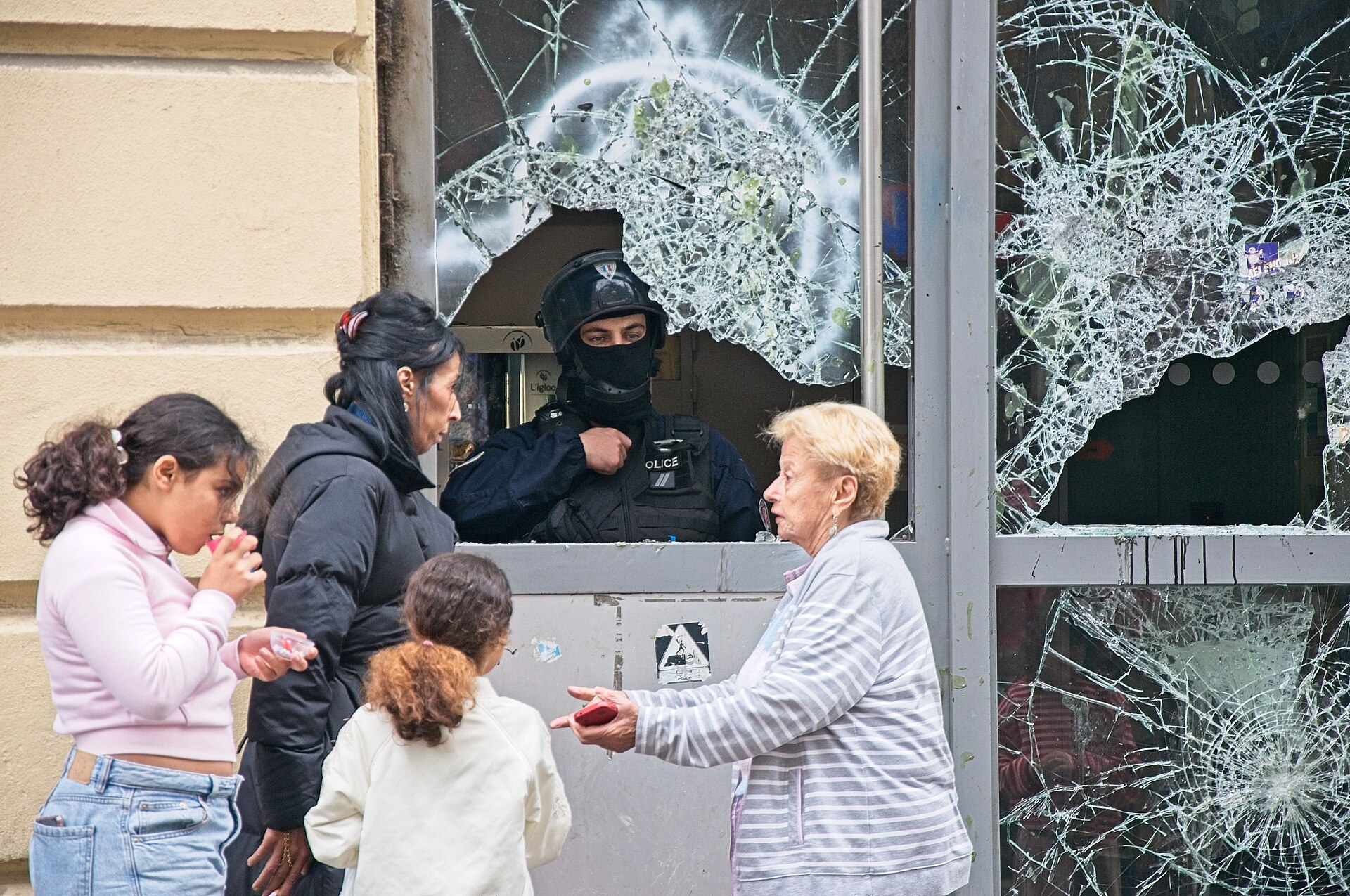
France’s escalating riots expose the dangers of political extremism, antisemitism and radical alliances, offering America a stark warning about the future of Western democracy.

20 October 2026
7.7 MINS
France and Europe are burning — is it too late to save them from the barbarians?
20 October 2026
4.6 MINS
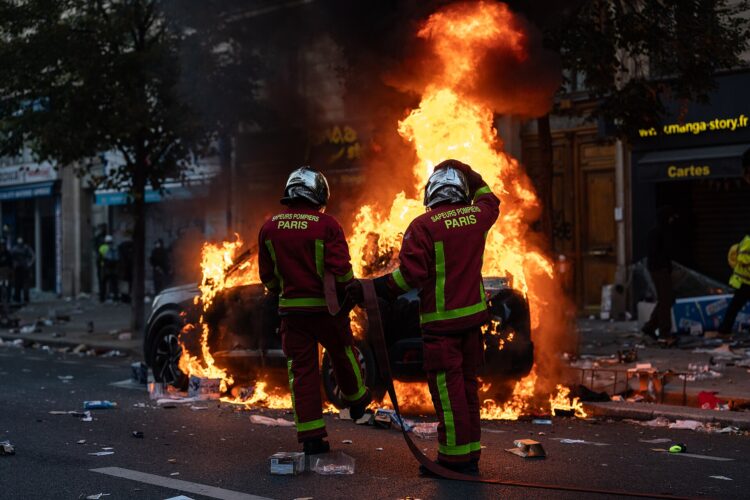
As rioters burn cars and historical buildings, celebrating the destruction of France’s inheritance, the West confronts an uncomfortable question: what happens when a civilisation loses the will to defend itself?


