



‘I Regret It Every Day’: New Survey Reveals the Extent of Post-Abortion Trauma
Post-abortion regret and trauma are suffered by numerous women after undergoing chemical abortions. They risk physical injury, and they require professional support and counselling to heal from their deep grief.
The entertainment and legacy media present abortion as empowering, but that’s not the feeling that impelled one mother to agree to a medication abortion.
“I was scared to death,” she told researchers. Even five later, the woman — who still describes herself as “pro-choice” — says she regrets her chemical abortion. “Now I wish I would’ve just faced it all and had my baby,” she said. “I regret it still to this day and probably still will for the rest of my life.”
“I regret it every day and cry about it often,” said another woman one year after deciding to oversee her abortion at home. Far from making her feel independent, she said the overwhelming emotion she felt — and still feels — is “helplessness.”
Her words echo too many other women who took the two-pill regimen of mifepristone and misoprostol, called a “medical” or “chemical” abortion to distinguish it from surgical abortion. Nearly two out of three women who had a medication abortion say they would have benefited from talking to someone about the trauma of their abortion experience, but only 24% sought help, according to a study of 14,000 women conducted by the group Support After Abortion. The gaping disparity may reflect the fact that 82% of post-abortive women did not know where they could find post-abortion counselling. As the study notes, an unknown number of women are now paying the price.
Poison Pills
“Many were traumatised by medication abortion, an experience they said was far more painful, physically and emotionally, than they had imagined,” the survey noted.
The first of the two pills blocks progesterone, cutting off nourishment to the child in utero, while the second stimulates contractions to force the child’s dead body out of his or her mother, usually into a toilet. The fetal remains “can be flushed down the lavatory or wrapped in tissue, placed in a small plastic bag and put in the dustbin,” explained a British abortion provider. “If she looks carefully, she might be able to count the fingers and toes,” said Dr Anthony Levatino, a former abortionist who later became pro-life, in a video produced by Live Action.
The expectant mother undergoes this alone, often without an in-person medical check-up. Support After Abortion noted that women found bearing the responsibility of presiding over and disposing of their child’s remains “extremely distressing,” “isolating,” and “traumatic.”
“[I] just feel bad. I let it bleed out of me like nothing,” said one woman. One-third of women (34%) who had a chemical abortion “reported an adverse change in themselves, including depression, anxiety, substance abuse, and thoughts of suicide.”
“I felt like I didn’t deserve to be a mom. It got to the point where I wasn’t eating. I couldn’t go to work. I couldn’t watch my kids,” said Chantal Gates in her book, Unraveled Roots: Exposing the Hidden Causes of Damaging Behaviors, published in 2020. “I couldn’t believe I had done this to a child I actually cared about and wanted.”
At least one post-abortive woman committed suicide, and seven died of overdoses/drug-related deaths, after undergoing a medical abortion, according to FDA data. Barely half of the 26 known deaths related to medication abortion (54%) between 2000 and 2019 came from natural causes. But the number may be far higher, as researchers say the results are often miscoded as a miscarriage.
Others still remembered the pain of going through contractions alone in a bathroom. “They said minor discomfort. It was horrible. Physically and emotionally,” said a woman who ingested the deadly medical cocktail. “It was 100 times more painful than [I was] told. It took over 12 hours to completely expel the tissue. It was so much more traumatic than a surgical abortion, which I had once before,” said another.
Dangerous Laws
The adverse effects of chemical abortion seem set to multiply, as the abortion industry promises to use drug-driven abortion — which was already increasing before the Supreme Court overturned Roe v. Wade — to circumvent state pro-life laws. The majority (54%) of all abortions took place via medication or chemical abortions in 2020, according to the pro-abortion Guttmacher Institute — more than doubling since 2011.
The Biden administration has also significantly loosened safety regulations on medical pills. Last December, the FDA allowed abortion pills to be prescribed online, without a medical check-up to verify the woman does not have an ectopic pregnancy, or even that she’s pregnant. This July, Biden signed an additional executive order to “expand access to abortion care, including medication abortion.” Yet a study found medical abortion may send 35 of every 100 women who take the pills to the emergency room.
The share of medical abortions is “projected to climb to 70% by the end of 2022, according to the Guttmacher Institute,” Support After Abortion reported.
“With abortion on the national stage, it’s an opportunity to shine a light on women who are too often overlooked — the millions who suffer psychologically after abortion, sometimes years after the event.”
But the study contains a hopeful note: With proper care, the psychological trauma of abortion may be reversed.
Gates said she found “healing” from her post-abortion trauma thanks to loving counsellors, who helped her better understand her priorities. They “gave me a different viewpoint. I put me and my children first and live my life, so I am never going to be in that place again.”
___
By Ben Johnson.
Originally published at The Washington Stand.
Photo by Nicoleta Ionescu/BigStock.
Recent Articles:
7 October 2026
3.6 MINS
Victoria’s 18th March for the Babies will bring families together to peacefully affirm the value of every human life and call for a cultural change towards life.
7 October 2026
4.6 MINS
Medicine was created to heal and preserve life. Yet abortion, euthanasia and gender medicine increasingly redefine death and destruction as care, leaving the vulnerable dangerously exposed.

24 September 2026
4.8 MINS
The Digital Duty of Care Bill claims to be about safety. But the actual wording allows the Minister for Communications to decide what "harm" means, and a senator has already confirmed who that power is really meant to silence.
23 September 2026
4 MINS
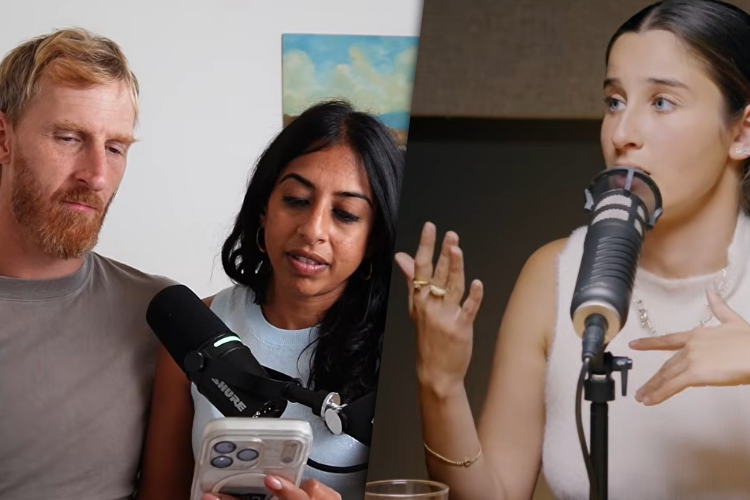
A renewed petition targets pro-life law professor Dr Joanna Howe, as she and husband James fight back against claims they say have damaged their careers and reputation.
21 September 2026
8.5 MINS
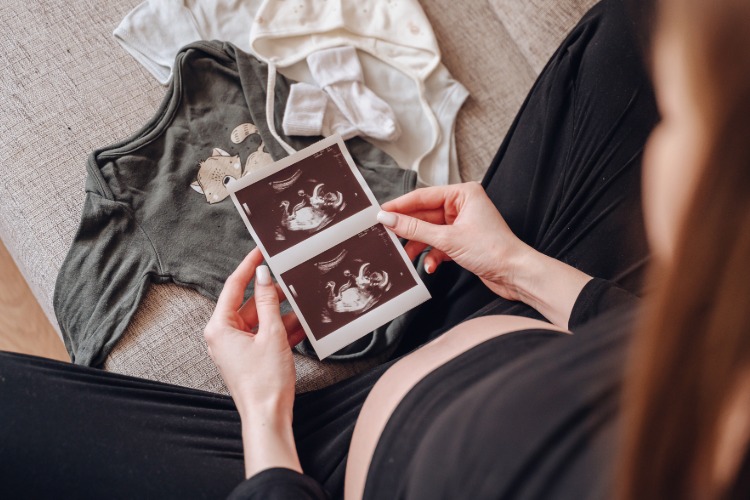
After a 20-week scan revealed possible heart abnormalities and genetic concerns, medical staff twice offered to abort a Christian couple's baby. Six weeks of fervent prayer later, the heart defect was gone — and their son is nearly ready to be born.

18 September 2026
4.5 MINS
Up to 10,000 rallied in Sydney for a ban on sex-selective abortion. Twenty-four hours later, the NSW Legislative Council defeated John Ruddick's bill 21–16. The fight, says Dr Joanna Howe, is just beginning.
17 September 2026
5.7 MINS
The Federal Labor Government is proposing to expand assisted suicide via telehealth — a choice to die over a video call, without a doctor ever being in the room. That's not compassion. That's the state deciding your life isn't worth the cost of a face-to-face visit.


