



Free Speech: Reasonable Qualifications
Free speech is the lifeblood of a healthy society. But there are some legitimate constraints on free speech, in my view.
1) Defamation: the injury that can be done to individuals as a consequence of making false accusations in a digital age are so severe that there must be measures in place to deter such speech and legal recourse for those injured by it (think of the damage from a false accusation of abuse, for instance);
2) Copyright: individuals are entitled to the economic benefits of their creative and intellectual property. There can be no free speech defence for stealing and monetising someone else’s intellectual property, particularly when that property comes in the form of speech (a book, for instance);
3) Incitement to violence: terrorists do not have the right to exercise their speech to plot and executive acts of violence, nor to encourage and facilitate violence from others;
4) National security: individuals do not have the right to sell national secrets to adversaries, nor to publicly broadcast sensitive information about defence assets, capabilities, plans, nor the identities of intelligence officers and the agents they recruit.
Some qualifications:
Notice the things which are not on my list of legitimate constraints: offence and hate speech.
The challenge is that once you accept that there are some legitimate constraints on free speech, then you are locked into a difficult balancing act, in which the constraints are perpetually challenged by ambiguous cases on the periphery, and an ever-present temptation to increase the scope of the constraints and to misuse them for illegitimate purposes.
I see no way around this, in which case the very limited number of legitimate constraints on free speech must be carefully and vigilantly circumscribed, always erring on the side of a high threshold for their application.
We are moving further and further away from this balance, I’m sorry to say.
___
Originally published on Dr Jonathan Cole’s page.
Subscribe to his podcast, The Political Animals, for more insights.
Photo by Mathias Reding.
Recent Articles:
14 October 2026
5.5 MINS
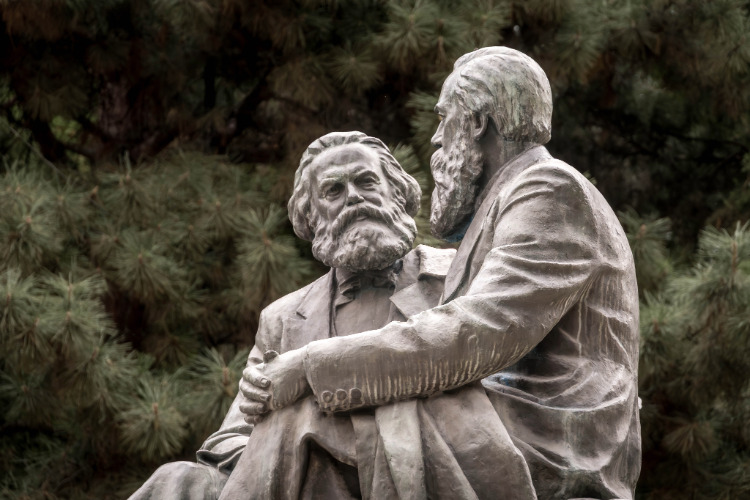
As Christianity fades from public life, Marxism or Communism offers a substitute faith built on oppression, liberation and political salvation — but at what cost?
14 October 2026
5.3 MINS
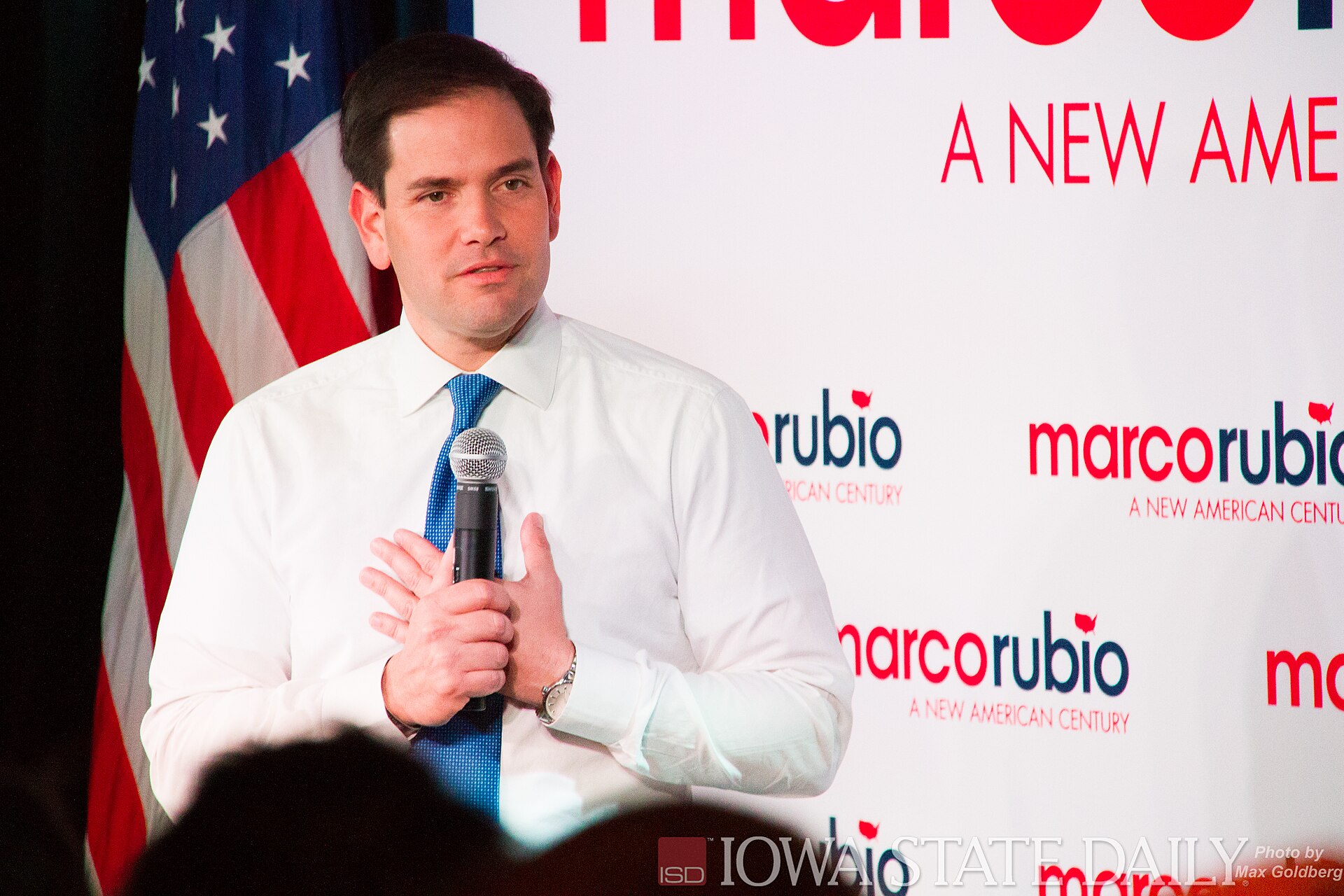
Marco Rubio’s Athens speech celebrates the Greek, Roman and Christian foundations of Western civilisation, warning that cultural self-loathing and radical ideologies threaten its future.
13 October 2026
2.6 MINS
Allegra Spender’s proposed bill reignites debate over discrimination protections, religious freedom and the right of faith-based schools to uphold their beliefs and values.

13 October 2026
3.9 MINS
Tasmania’s proposed conversion practices law raises serious concerns for churches, parents and faith-based schools, with broad definitions, severe penalties and uncertain protections for religious freedom.
9 October 2026
5 MINS
During a recent dialogue between high profile legal experts, a top Australian constitutional law expert was asked if Australia should have a Bill of Rights. His answer may surprise you.

9 October 2026
3.3 MINS
New South Wales healthcare workers who object to abortion and voluntary assisted dying face growing pressure, raising serious questions about conscience rights, employment and moral injury.
5 October 2026
4.9 MINS
Free Speech Union co-founder Reuben Kirkham warns Australia’s proposed Digital Duty of Care could expand censorship powers, undermine free expression and bypass recent legal protections.


