


New Book: Searching for God in Christianity
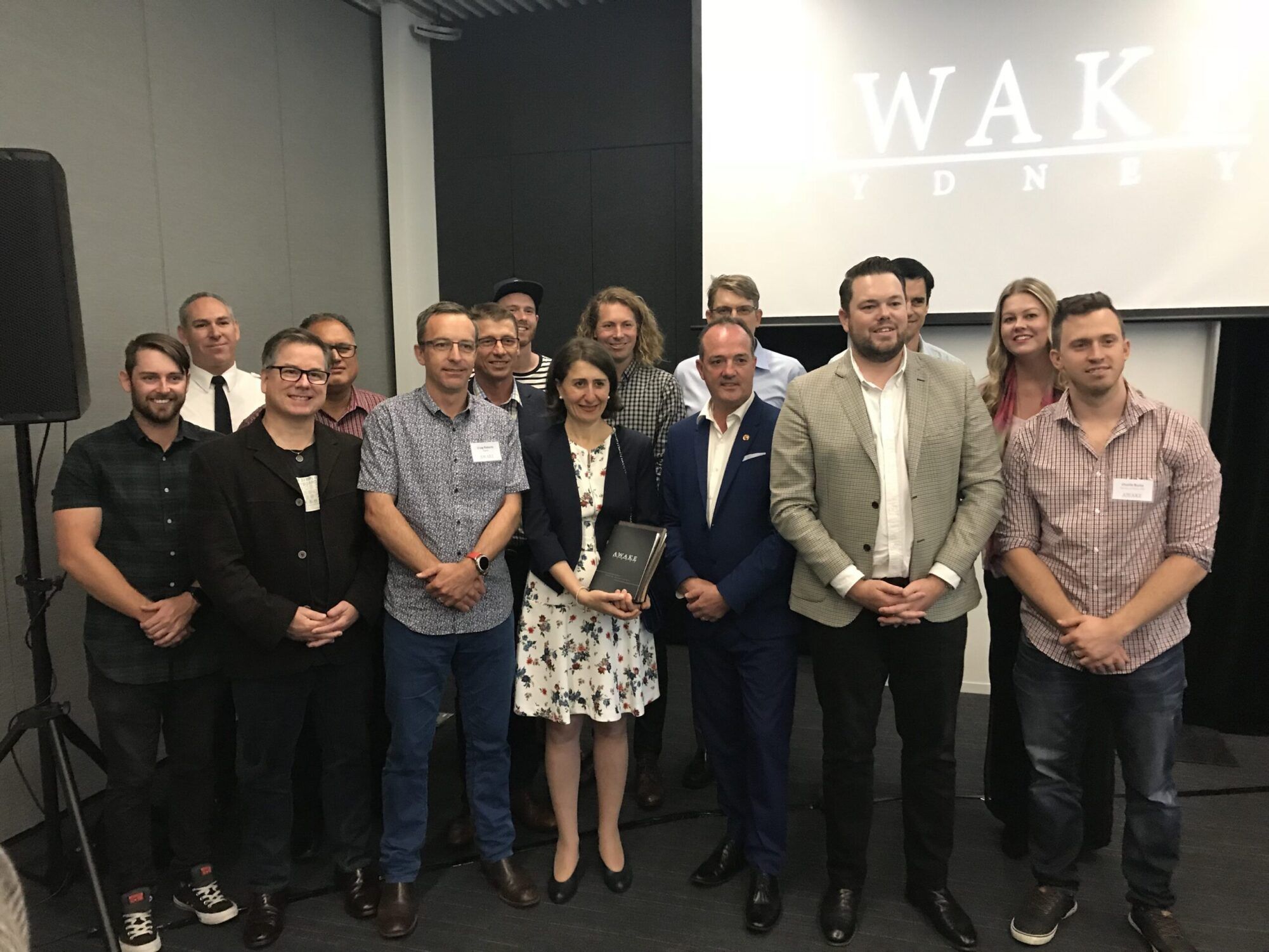
A few years ago, while I was serving as a denominational director, I organised the Awake Sydney Prayer Summit. This Summit brought together the combined leaders for Sydney’s protestant denominations, was attended by the then Premier Gladys Berejiklian, and was personally encouraged by the Prime Minister of the time, Malcolm Turnbull.
This day was memorable as it marked the only moment in modern history that all ten major Protestant denominations came together to pray, but something else from this time stands out to me. Before the summit, a few of the denominational youth and young adult directors met at the Salvation Army offices in Auburn to plan the event. A conversation that took place at this meeting lives ‘rent-free’ in my mind to this day.

Simply put, we all began discussing the overall decline of Christianity in Australia; in response to this, I remember remarking that around 1,500 churches were represented in the room, and that if we didn’t find a way to reverse the trend, no one else would. I specifically remember saying:
“No one else is coming; we are the current leaders of the Church in Sydney, and we needed to find a solution; the great leaders of the past that we love talking about are all in heaven; it is up to us to step up and lead.”
It was this impetus that sent me on a journey of searching for God’s power in Christianity.
I share this story to make the point that the Western Church is not living through a time marked by what scripture calls God’s ‘mighty strength’ (Eph. 1:19). Once this realisation takes hold, the key question that arises is: how do we instigate a time of ‘mighty power’ in Australian Christianity?
 Lessons from the Past
To answer this, we can note that Reformed theology would generally agree that there have been three great theological movements in Church history. The first was the time of the Church Councils, which culminated in the writings of Augustine.
The second was the Reformation, instigated by the writings of Calvin and Luther. Lastly was the movement away from the theological liberalism of Schleiermacher that Barth, Brunner and Bonhoeffer drove around the time of World War I and World War II.
Each of these movements had two common traits. The first was a return to what Karl Barth called the most ‘exalted or profound word’ of the Church, which is: ‘that God was in Christ reconciling the world unto Himself’ (2 Cor. 5:19). [1]
It was this reconciliation of God and man in Christ that drove Augustine away from Manichaeism to Christianity, resulting in his great work The City of God. Likewise, it was this same reconciliation that compelled Luther and Calvin to reform the Church of the 1500s. Finally, it was this truth that Barth, Brunner and Bonhoeffer reasserted after the liberal theologians had killed God.
The second common trait is seen in the final chapter of Augustine’s treatise on the Holy Spirit, and then used by Barth to culminate his mammoth work Church Dogmatics. But it is John Calvin who most clearly calls the Church to what he named invocational prayer. Calvin and Barth both called invocational prayer the ‘chief exercise of faith by which we daily receive God’s benefits”. [2]
Road to Renewal
It is surprising that all three theological movements described above did not instigate power via big doctrinal statements, but rather through prayer that invokes the reconciliation of 2 Cor. 5:19. It is this specific type of prayer, one which follows the instruction of Psalm 50:15 to call on God to actualise the reconciliation and resurrection of Christ, that Augustine, Calvin, and Barth employed to turn the tide in their generations.
The problem we have in our time is not a new one; it has been faced and overcome before in Church history. The leaders that drove change through the Church Councils, Reformation and during World War I and II have provided, and proven, a solution to the questions that open this article.
The great prayer warrior Campbell Morgan summarised this solution well when he reminded us to: ‘assert the strength of our Master’. Likewise, Martin Luther called us to remember that we are inherently weak in his preface to Romans and that the power of Christ is very real. What all this means is that the Church is called to pray and then preach. When we call to God and invoke His reconciliation, we will see resurrection.
___
[1] CD II/2, 88.
[2] Calvin, Institutes, Book 3, Argument. Barth, The Christian Life, p. 43.
___
This article is adapted from the newly released book by Sean A. Nolan, Searching for God in Christianity. © Sean A. Nolan.
Recent Articles:
14 October 2026
6.7 MINS
A national poll challenges claims that pro-life Australians are extremists, revealing broad support for abortion restrictions, protections for unborn babies and safeguards for vulnerable women.

14 October 2026
2.8 MINS
Queensland recorded 1,082 assisted suicide and euthanasia deaths in 2025–26, as the review board called for consultation on potentially widening eligibility criteria.
14 October 2026
5.5 MINS
As Christianity fades from public life, Marxism or Communism offers a substitute faith built on oppression, liberation and political salvation — but at what cost?
14 October 2026
2.8 MINS
Australia needs a courageous Church that never separates courage from Christian love — the courage of Peter and John, who, when ordered to cease speaking about Jesus, responded: “We can't stop.”
13 October 2026
2.6 MINS
Allegra Spender’s proposed bill reignites debate over discrimination protections, religious freedom and the right of faith-based schools to uphold their beliefs and values.

13 October 2026
3.9 MINS
Tasmania’s proposed conversion practices law raises serious concerns for churches, parents and faith-based schools, with broad definitions, severe penalties and uncertain protections for religious freedom.

13 October 2026
5.5 MINS
Stephen Baldwin’s journey from drug addiction to sobriety, Christian faith and family life reveals how surrender, daily discipline and renewed hope transformed his life.


