



Why Is ‘The New York Times’ Upset by Bluey’s Wholesome Dad?
Bluey’s depiction of a loving and involved father is to be praised. But the New York Times apparently can’t stand positive portrayals of fathers.
Positive paternal portrayals in entertainment media are few and far between these days. Depictions of deadbeat dads are far more commonplace, whether seen in shows like Everybody Loves Raymond, South Park, Family Guy, or most notably, The Simpsons.
Even in many cartoons pitched at the youngest of children, fathers are routinely represented as lazy, incompetent buffoons, with Peppa Pig’s Daddy Pig being a particularly stand-out example.
Which is why it is odd that The New York Times recently delivered a bitter broadside against two rare and praiseworthy exceptions to this trend.
Bluey is an Australian animated preschool sitcom set in the Brisbane suburbs about a family of blue heeler dogs whose father, Bandit, regularly takes part in his children’s imaginative games.
The series has received widespread acclaim for its whimsical humor, its stories featuring creative problem solving, and its emphasis on the joy of family bonds. So popular is Bluey, in fact, that it was the most-streamed show across any platform in the world this last November.
However, according to The New York Times’ pop-culture critic Amanda Hess, in her article entitled “The Fantasy of the Fun TV Dad,” Bluey’s dad Bandit is “not only a good father—he is a fantasy.” She writes:
I don’t know how he keeps house, works as an archaeologist and serves as a full-time prop artist to his daughters, but he does it all while only feigning complaint. …
Bandit’s omnipresence is odd, and striking. He is like Mary Poppins, stitching together a family with creative prop work. Or he’s the Cat in the Hat, leading children in controlled chaos while their mother is out. His closest analogues in children’s media are not other parents, but the fools and tricksters that children encounter when they are allowed to roam unsupervised. Bandit represents a parent freed of drudgery, one whose central responsibility is delighting his kids.
I wonder if one of the upsides of ‘Bluey,’ from the parent’s perspective, is that it works to absolve our guilt over screen time. If we feel bad for ignoring or subduing our children, ‘Bluey’ at least offers a simulation of boundless parental attention. As my son watches it, I’m not neglecting him, but I’m often doing the laundry that Bandit miraculously folds offscreen.
Hess is correct in pointing out that Bandit’s involvement in his kids’ lives—alongside his full-time job—is exceptional, even unrealistic. But she seems to have lost sight of the fact that Bluey is a cartoon. Dogs don’t talk either, but I don’t see Hess picking a bone with that aspect of the show.
Hess’ mistake was to refuse to enjoy Bluey as entertainment and instead watch it as some kind of brooding critique of her own life as a parent—which, it goes without saying, is not the show’s purpose at all.
Flight and fancy aside, Bluey’s depiction of a loving and involved father—especially in troubled times like ours—is to be praised.
Not content with her censure of a wholesome mainstream cartoon, Hess went on to denounce another. This time, she took a swipe at Chip Chilla, the in-studio original of Bentkey, the brand new children’s entertainment company created by conservative news outlet The Daily Wire.
After trashing Chip Chilla as a “transparent ‘Bluey’ rip-off” and a show “so lazy and pedantic, it feels like Wikipedia should get a co-writing credit,” Hess expressed her displeasure that the children in Chip Chilla are homeschooled:
With ‘Chip Chilla,’ conservative parents can fulfill a fantasy of their own, combating the perceived indoctrination of public school by screening home-school-themed content afterward, featuring lessons about dead white people and classic texts.
Hess was likewise upset that the father-figure in Chip Chilla, Chum Chum, plays an even more active role in the drama than his counterpart Bandit:
In ‘Bluey,’ the puppies lead the games, but in ‘Chip Chilla,’ it is the dad who is in charge, directing his compliant kids to role-play ‘Moby-Dick’ and the fall of the Roman Empire. I suspect that Bentkey made Chum Chum the schoolteacher not because it’s a modern choice, but because it puts male authority at the center of the show.
The implication seems to be any and all depictions of male authority are bad.
Daily Wire Co-CEO Jeremy Boreing pulled no punches in his response to The New York Times column, writing on X, formerly Twitter:
Chip Chilla is the most popular show on our new Bentkey platform, and Bluey is the most popular children’s show period. It’s no coincidence that two shows that feature loving and engaged nuclear families with great values who actually enjoy being together are so popular.
And it’s no coincidence that the cultural gatekeepers at the NYT have them both in their crosshairs.
The left not only wants to add its radical agenda to kids entertainment, they want to remove good values from kids entertainment.
Babylon Bee Managing Editor Joel Berry was even more seething:
These people own the entire media– thousands and thousands of shows, movies, and songs that portray absent, deadbeat, idiot, abusive Dads. Along come two little cartoons that portray an ideal of a present, loving father and they lose their minds.
Boreing and Berry are right. And The New York Times is unequivocally wrong. Fatherlessness is correlated with a myriad of negative outcomes for kids, including higher crime rates, mental health issues, and lower educational achievements. And with a quarter of children in 2022 growing up without a father in the home, surely what we need is more positive examples of engaged fathers. The world needs more Bandits and Chum Chums.
And if entertainment companies keep catering to the tastes of ordinary people, that’s exactly what we’ll get—and families will be all the better for it.
Originally published at Intellectual Takeout. Image via ABC News.
One Comment
Leave A Comment
Recent Articles:
18 October 2026
2.7 MINS
Every season of life belongs to Christ, and we don't retire from discipleship as we grow older. In fact, our older years hold unique gifts for the younger generations.
17 October 2026
3.4 MINS
Seeking the face of God means surrender, laying aside our agenda and wants. Revival begins when we want God himself more than we want the outcome.
16 October 2026
4 MINS
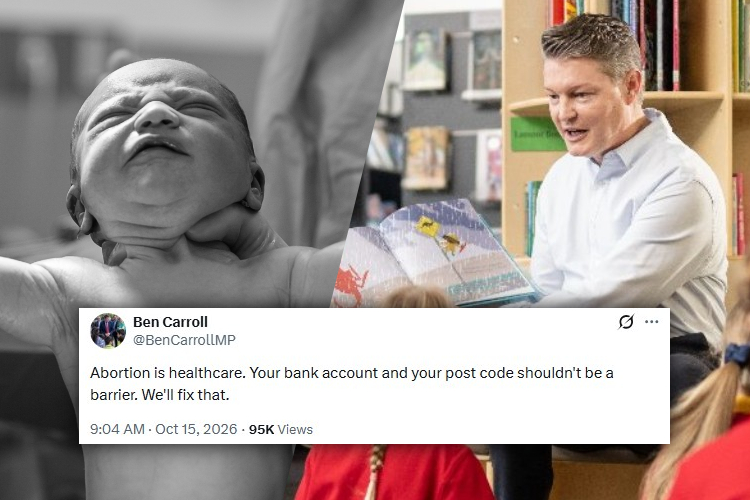
A desperate Victorian Labor Party is peddling taxpayer-funded abortions as free “healthcare”. In a shameless attempt to stay in power, they're willing to do anything — including killing the unborn and forcing taxpayers to pay for it.
16 October 2026
4 MINS
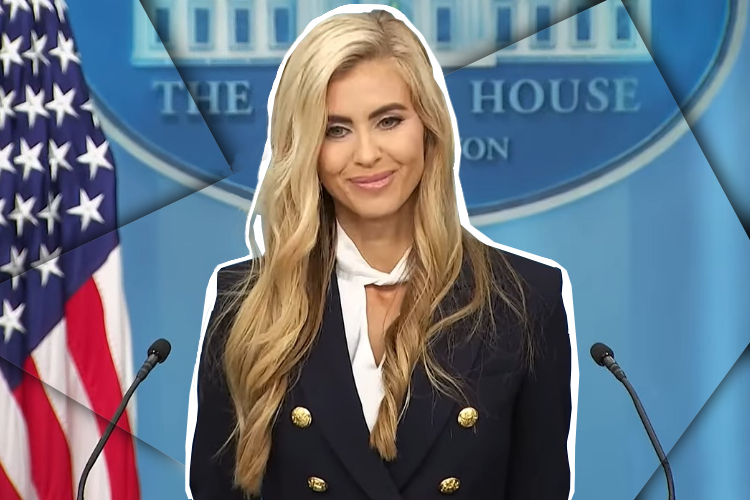
Katie Zacharia’s first days as White House Press Secretary have sparked fierce media criticism, but her remarkable testimony of surviving an abortion attempt tells a deeper story.
16 October 2026
3.4 MINS
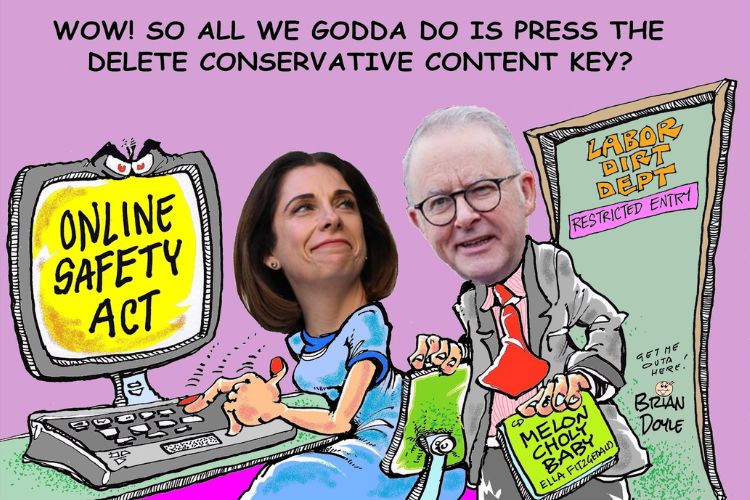
Australia’s proposed digital duty of care laws promise greater online safety and increased user control by switching off algorithms, but critics warn they could give ministers sweeping powers to restrict lawful content and threaten free speech.
A Million Women Movement Marks Second Anniversary: “Look What the Lord Has Done! Ishtar Has Fallen!”
16 October 2026
2.8 MINS
Two years after A Million Women gathered in Washington for ten hours of prayer and fasting, organisers point to victories they believe reflect God’s answers to intercession.

16 October 2026
2.6 MINS
Euthanasia accounted for 4% of all deaths in Belgium in 2025, with growing numbers involving people who were not terminally ill, dementia patients and psychiatric conditions.



Mainstream Media can only push their false narratives for so long as more and more people are turning to other sources for their news.
Also as both these shows are popular it is evident that people are watching what they want to watch and that is good news.