



The Fatal Flaws in Queensland’s Euthanasia Scheme
In the past year, Queensland has recorded 793 euthanasia and assisted suicide deaths. In its first report, issued one year ago, after six months of the scheme’s operation, the state reported 245 deaths, which was, by far, the highest death rate in the country at the time.
NSW unfortunately topped that rate in its first three months, but Queensland’s whopping 60 per cent increase on its first six months shows the state is embracing lethal drugs at an extraordinary rate.
Apart from having the highest death rate, Queensland also has the title of the first coronial inquest into a wrongful death under its euthanasia laws.
Massive Cracks in the System
On 16 May 2023, just four months into the operation of the law, a Queensland man took the lethal drugs intended for his wife. The case and subsequent coronial inquiry demonstrated the fatal flaws in the law’s supposed “safeguards”.
A woman whose name was suppressed by the court (I’ll call her Jane), had been assessed as eligible for euthanasia on 27 March 2023. Jane had been hospitalised with Covid and was not home when the drugs were delivered on 24 April, so they were given to her husband (I’ll call him Bob), who was her nominated contact person. The main role of the nominated contact person is to return any unused portion of the drugs after a patient dies.
Having the drugs delivered to Bob when Jane wasn’t there was the first flaw in the system. Jane’s Covid was so bad that she could not swallow, so she requested a doctor come and inject her with the lethal substance instead.
There was no requirement for the drugs that were already in Bob’s possession to be returned before the doctor came with a new dose to kill Jane. Allowing two sets of lethal drugs for the one person was the second flaw in the system.
Jane was injected with the drugs on 8 May and died. The “VAD Care Coordinator” verbally reminded Bob to return the other set of drugs he had. Under the law, a contact person has two days to return the drugs, but the first follow-up was not until 12 May, by way of a phone call and email from the Queensland Voluntary Assisted Dying Review Board to Bob, both of which went unanswered. The board also texted Bob’s son but didn’t follow up again. The lack of follow-up with Bob was the third flaw in the system.
Bob died on 16 May 2023, after taking the drugs that were meant for his wife. As it turned out, Bob had been diagnosed with and medicated for depression, but had stopped taking his meds so he could care for Jane.
A Question of Life or Death
Queensland law doesn’t require background checks for a nominated contact person. Like Bob, they could be suffering from a mental illness, or they could even be a convicted murderer, it doesn’t matter. As the coroner commented, you need to show more identification to enter a Brisbane nightclub than you do to become a contact person. That was the next flaw in the system.
What is perhaps most shocking, though, was the coroner’s acknowledgment that none of the medical or oversight personnel involved breached the processes. This is how the VAD process, when followed, is supposed to operate. And that is perhaps the biggest flaw of all.
Even though members of the Queensland VAD Review Board provided evidence for the coronial inquiry, its annual report, released earlier this month, didn’t address these matters (although the regulations have now changed to make sure that one person cannot be prescribed two lethal doses.) The report simply stated that at the time of writing, the coronial investigation was still underway and that the board would consider its recommendations.
There’s obviously no hurry, right? I mean, it’s not like people’s lives hang in the balance. No, instead of considering its own learnings from this case or questioning Queensland’s extremely high uptake and proposing some restraint, Queensland’s VAD Review Board behaved more like activists and called for changes in the law to make death on demand even more accessible and even wants an increase in the marketing budget so everyone knows they can access euthanasia.
The Queensland state election is in less than a month. It is essential that whoever is in government next urgently addresses the flaws that were outlined in the coroner’s report. Otherwise, another case like Bob’s is inevitable.
___
Republished with thanks to The Catholic Weekly. Image courtesy of Adobe.
2 Comments
Leave A Comment
Recent Articles:

27 October 2026
3.6 MINS
For 25 years, the Mount Moriah Trust has supported struggling Christians across the Holy Land, bringing practical assistance, encouragement and hope to believers facing hardship and persecution.
27 October 2026
1.3 MINS
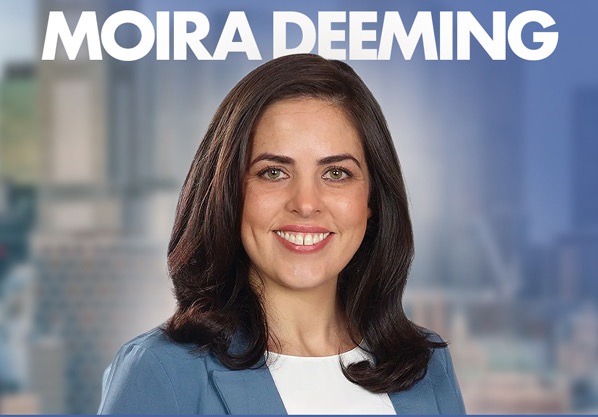
Moira Deeming’s re-election campaign has energised Family First supporters, raising $90,000 as the party prepares for a crucial Victorian election and a potential breakthrough.

27 October 2026
3.1 MINS
As the disciples discovered through a huge haul of fish, we can trust Jesus for a net-breaking, boat-sinking catch of people.
26 October 2026
4.5 MINS
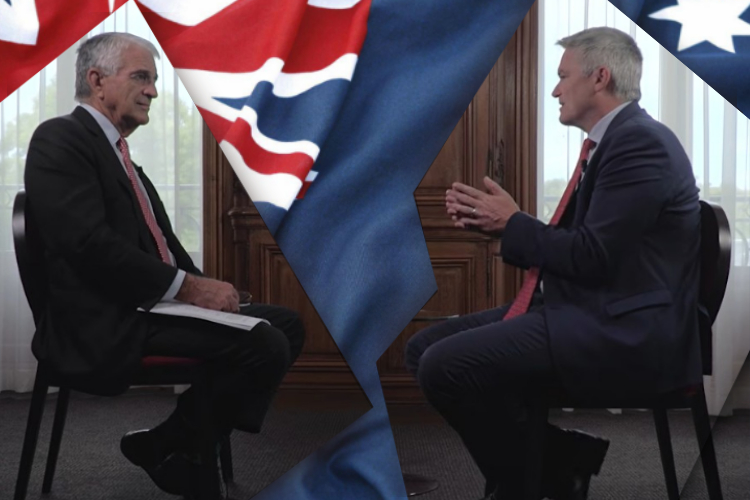
OECD chief Mathias Cormann warns Australia is losing its competitive edge, as excessive regulation, housing pressures, immigration challenges and declining public trust threaten national prosperity.
26 October 2026
2.5 MINS
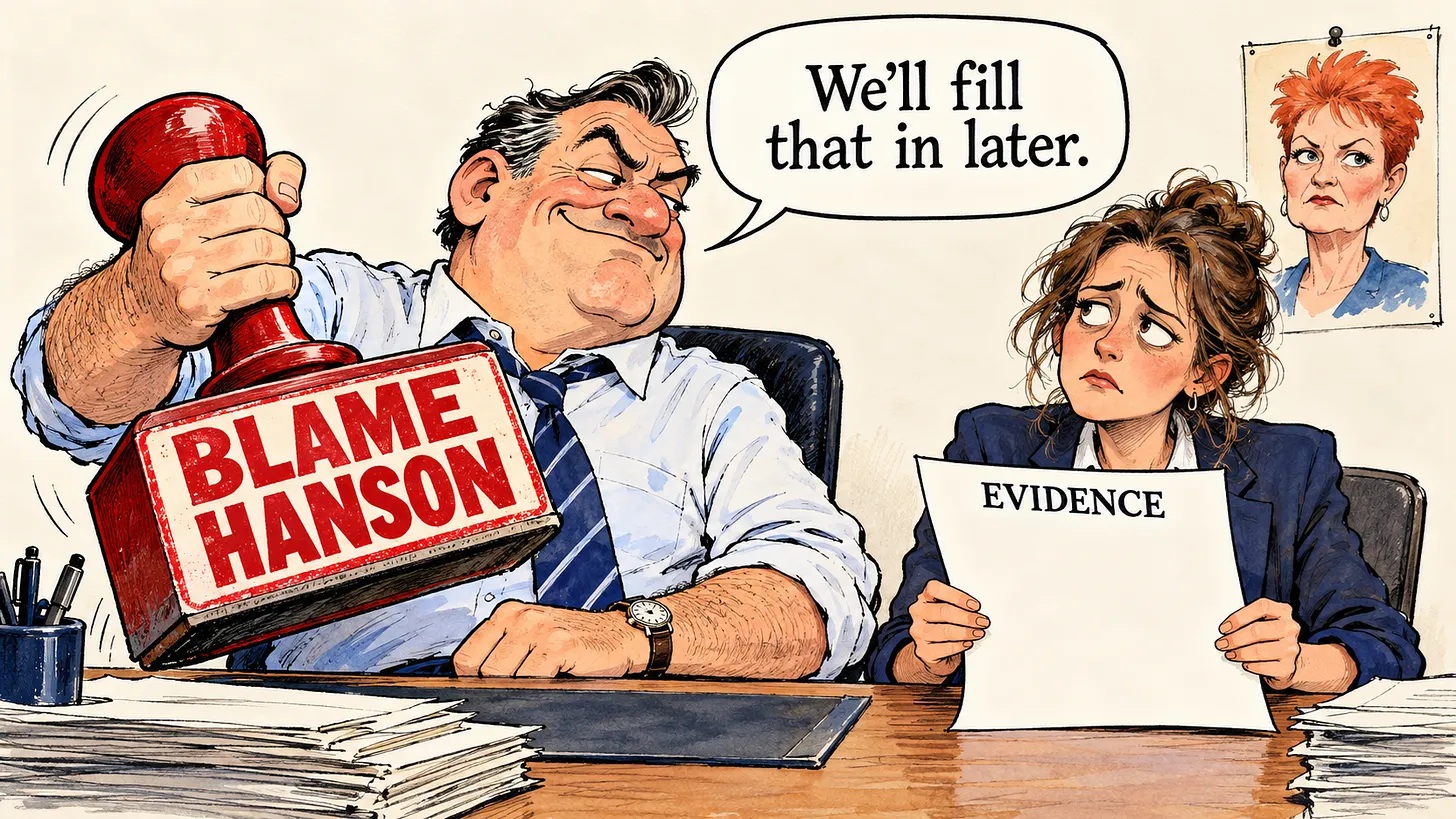
Nation First exposes the rush to weaponise the Haines attack against Pauline Hanson, conservative voices and men before investigators established a motive.
26 October 2026
5.1 MINS
Anthony Albanese calls for civility after the Helen Haines attack, but revelations of a political dirt file raise uncomfortable questions about his government’s own conduct.

26 October 2026
3 MINS
Australia’s national resilience inquiry overlooks a critical weakness: decades of deindustrialisation have left the nation dangerously dependent on imports, unprepared for compounding threats and strategic disruption.



Thanks Monica.
Who formulates these procedures? Where is the accountability for assisting people to die because of system negligence?
Bob chose to end his life using the most effective, reliable, and peaceful means available. Bob chose to use his personal autonomy to make a choice, something “free” people are able to do. The issue is not how, or why, Bob had the means. The question, to those looking to oppress others is, “What gives you the right to decide people are forced to live a life they’d rather not?” You may feel your life is worth living and laws were enacted to stop people trying to end yours. Why do you feel laws should be enacted that prevent people dying who feel that life isn’t worth living. It is irrelevant how someone may feel in some hypothetical future. Everybody will die. No amount of faith will prevent this, Why are you so hung up on the when and the how?