


Be Tangible Signs of Hope
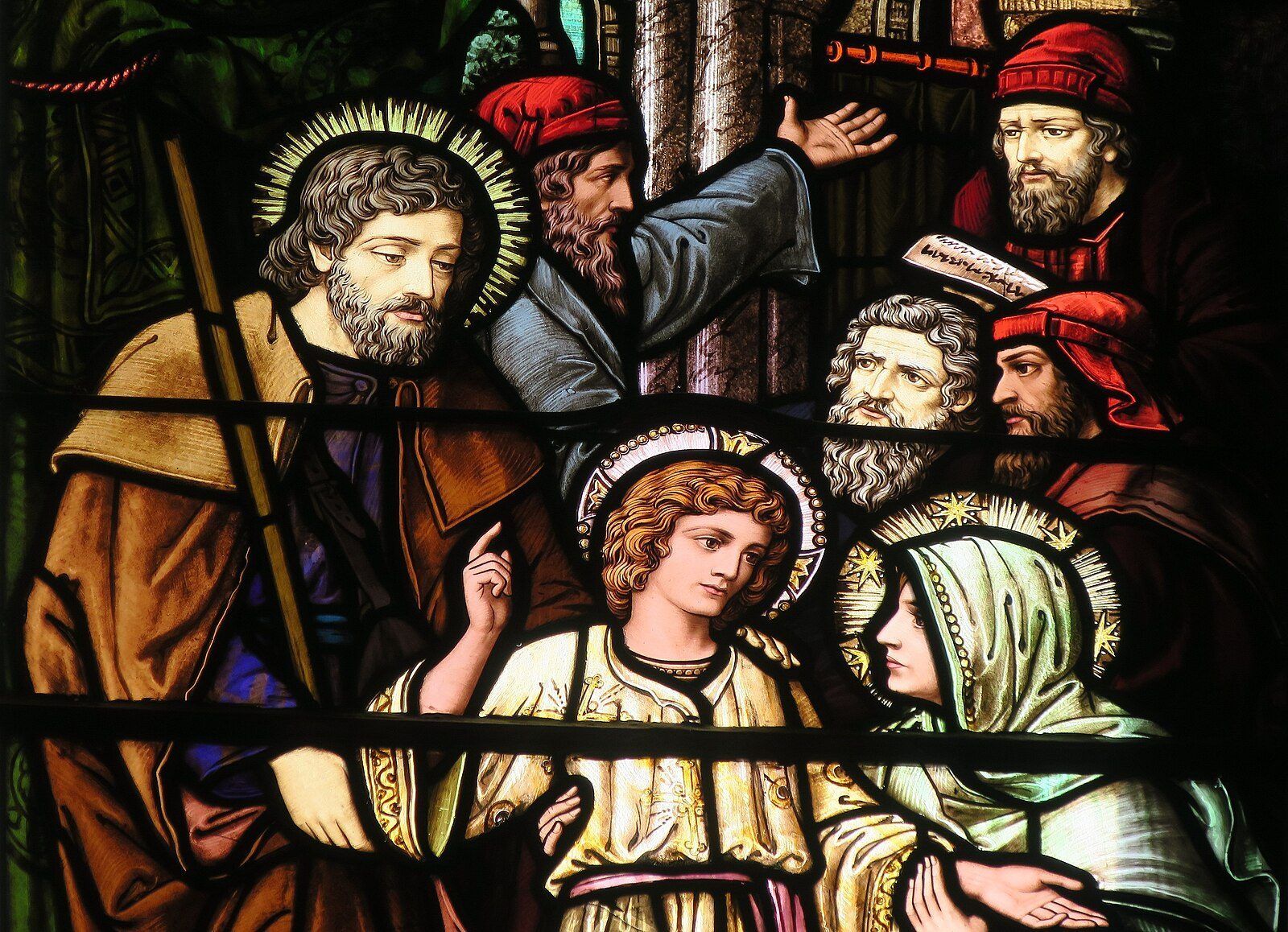
It’s the original Home Alone story. Like many pious Jews, Joseph, Mary and the kid had their holidays in Jerusalem during the weeklong Passover celebrations (Lk 2:41-52). They did this every year, only this time something went very wrong. Amidst the to-ing and fro-ing of the hundred thousand pilgrims in the city, Jesus was left behind.
It’s not so unusual at such large-scale events for children to be separated from their families, but it’s terribly anxiety-making, for if the lost child is not found quickly, they might not be found at all. So for Joseph and Mary not to realise their boy is missing from the caravan to Nazareth, until they were a day’s journey away, would have been horrifying.
They rush back to Jerusalem on foot and spend three days searching everywhere for him. They find him in the last place you’d look for a teenager: at the temple! What he’s up to is even more unusual: instead of a bit of tourism or sleeping dopily, he’s there to teach the elders and theologians God’s Law.
Motherly Love
Mary’s initial response is exasperation: “Why would you do this to us?” she asks (Lk 2:48) She tells him that they were ὀδυνώμενοι (odūnomenoi), rather lamely translated in our lectionary as “worried.” The word is found only one other time in the gospels, in the description of Dives’ torment in Hades (Lk 16:24). So, in other words, Mary and Joseph have “been through hell” those past few days.
Today’s report, the only one we have of Jesus between ages one and 30, offers some precious details of his early life. Like all families, his parents had to contend with the trials of raising an unpredictable child, and the child had to contend with the tribulations of being raised by all-too-predictable (and fallible) adults.
Jesus was, Luke tells us, going on 13, the dawn of adult responsibility for a Jewish male in that time. So perhaps the family were in Jerusalem, not just for the annual Passover holidays, but also to anticipate the boy’s coming-of-age with a celebration paralleling the modern-day bar mitzvah.
Jesus demonstrates that he’s a precocious youth, as Luke reports that “all who heard him were astounded at his intelligence and his answers” (vv. 46-47). Yet instead of calling him ὁ παῖς (ho pais), “young man,” as Luke does (v. 43), Mary addresses him as τέκνον (teknon) “little child” (v. 48). Though he’s no longer little and no longer a child, the sight of the lost boy drew forth all the protectiveness of mothers for their babies. He may be King of the Universe, but he would always be her little one.
Growing Up
But now it is dawning on Mary and Joseph that the One who suckled at her breast and was an ankle-biter in Joseph’s workshop was no longer just theirs. He was becoming his own man, exercising some adolescent independence, in the vein of the young prophet Samuel in today’s first reading (1 Samuel 1:20-22,24-28). He was also becoming other people’s “property”, as the Rabbis interrogated and wondered at him and as his disciples would do in the future. Above all, he belonged to his heavenly Father, whose business he must now give priority (v. 49), for like Hannah, Mary has dedicated him to God, even if this will figuratively pierce her heart and literally pierce his (Lk 2:35; Jn 19:34).
So our story gives us a glimpse of the young Jesus’ growing sense of identity and purpose, as he grows in wisdom, stature and favour (v. 52), all within the intimacy of relationships at home, amongst the caravan of his neighbours, at church amongst the faithful, and with his Father-God. It’s a story also of hope: the human hope of a family searching for the Son on behalf of all humanity and finding him, and the divine hope that will culminate in that Son’s self-sacrifice for all humanity.
This Gospel points to Jesus’ thirteenth birthday. Those of us of a certain age tend only to mark the fractions of a century with particular solemnity. So it is with Jesus these days: though the church has celebrated his every birthday at Christmas, it has, since the Middle Ages, marked his most important birthdays with jubilee pilgrimage and prayer, forgiveness and hope: at first every century, then every half-century, and nowadays every 25 years.
In his Bull of Indiction for Jubilee 2025, Pope Francis reminds us of the centrality of hope in Christian life. Hope, in the biblical sense, is much more than wishful thinking, human anticipation or optimistic temperament. It is a spiritual gift, that endures with faith and love when all else is stripped away, illuminating the intellect with God’s plans for us, giving us confidence, patience, peace of mind and joy.
Sustenance
Hope is what sustains us through life’s challenges as we journey to God. A hope that underlies the Gospel first preached publicly by Jesus to doctors in the Temple. A God who demonstrates the reliability of that hope by the greatest act of love in all the cosmos, when his Son’s heart was pierced upon the cross, and the Boy again lost to the world for three days — this time in the tomb — before being found.
When Jesus asked his mother, “Why were you looking for Me?” he was not being obtuse, let alone cheeky. It was a question for all humanity, one he would ask many times: What do you seek? Whom are you looking for? What can I do for you? (Mk 10:51; Jn 1:38; 18:4,7; 20:15) And whatever our answer, somewhere inside it is: I am looking for answers, for strength to go on, for reasons to hope (Matthew 11:28; 1 Peter 3:15).
It is this sustaining hope, envisioning glory to come, that allows us to continue amidst the sin and cruelty that darken our age and sometimes our own relationships closer to home. It empowers us to bear fruit as peacemakers, life givers, lovers of the poor, sick and suffering, protectors of the vulnerable unborn, elderly or persecuted. In attending to them with those acts of love commended in our epistle (1 John 3:1-2,21-24), we become, the Holy Father notes, “tangible signs of hope for our brothers and sisters”. As we embark on a year of pilgrimage in hope, we ask that, like Jesus, we might “increase in wisdom, in stature and in favour with God and men” (Luke 2:52).
___
This is the edited text for the Homily for the Solemn Mass for the Opening of the Jubilee Year 2025, Feast of the Holy Family of Jesus, Mary and Joseph (Year C), at St Mary’s Cathedral, Sydney, 29 December 2024.
Republished with thanks to The Catholic Weekly. Image courtesy of Wikimedia Commons.
2 Comments
Leave A Comment
Recent Articles:
9 October 2026
1.3 MINS
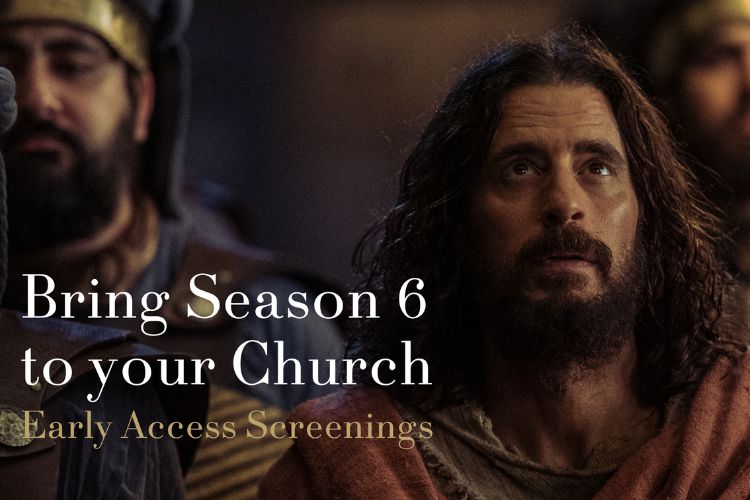
Season 6 of The Chosen is releasing next month, and until 15 November, your church has the opportunity to host a free pre-release screening of Episode 1. Here's how.
9 October 2026
2.9 MINS
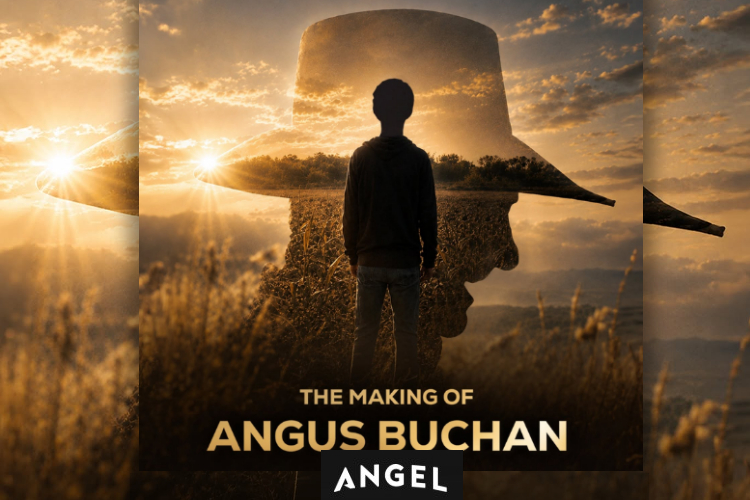
Angus Buchan’s remarkable journey from farmer to evangelist is brought to life in a new documentary now streaming, revealing the faith, family and challenges behind his public ministry.

9 October 2026
3.3 MINS
New South Wales healthcare workers who object to abortion and voluntary assisted dying face growing pressure, raising serious questions about conscience rights, employment and moral injury.
9 October 2026
2.9 MINS
God is intensely relational, and he puts us into a community of believers so we can use our gifts in service of Christ's body.
8 October 2026
3.6 MINS
John Anderson warns that Australia’s decline is rooted in spiritual and cultural disintegration, calling for a recovery of Christian foundations, social cohesion and national purpose.
8 October 2026
4.1 MINS
Aboriginal communities in Central Australia already know the gospel message. What they need now, Robyn Murray writes, is discipleship, encouragement and Christians willing to pray and participate.
8 October 2026
4.1 MINS
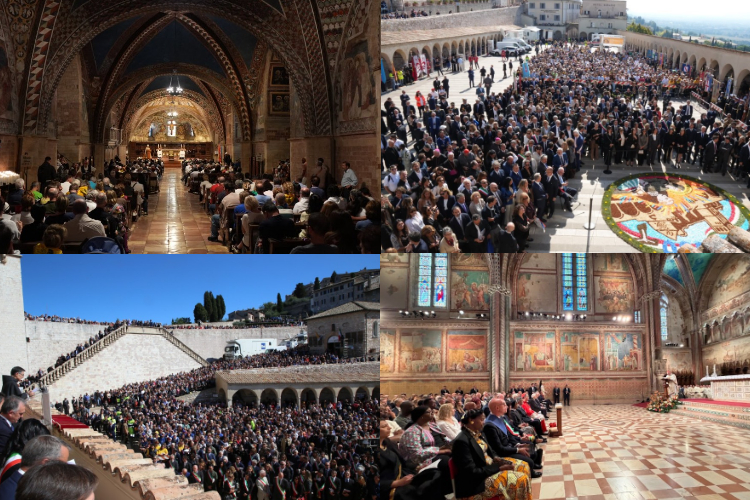
Italy honours St Francis of Assisi 800 years after his death, celebrating a saint whose devotion to Christ, radical simplicity and message of peace continue to shape generations.



This is just beautiful.
There is so much wrong with the World today. So many crimes against the born + unborn, slavery,political corruption, endless wars because that’s how some countries make their money, “Churches “of Satan being set up in the English-speaking World etc, and, as a Catholic all I get is a bland, uninspiring homily for Christmas from the Archbishop of Sydney ! No wonder Catholic churches are empty !Jesus Christ was no coward which is why He tossed the money-changers out of the temple + chose to die on the Cross to save us. The Catholic Church is in terrible decline with priests too scared or too lazy to speak out against transgenderism, homosexuality, etc, etc. It needs another Reformation to take us back to pre-Vatican 1+2, ie to the Catholic Counter Reformation of Pope St Pius V+ the Council of Trent which laid down CatholicTruths which The Daily Declaration agrees with !