


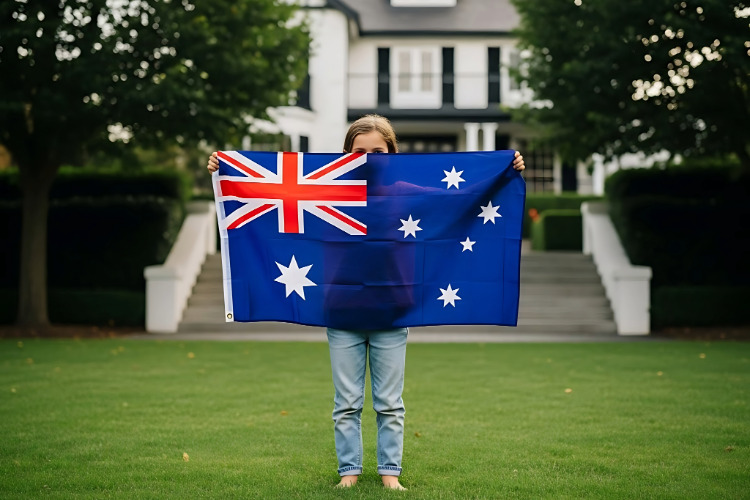
What Do Young Australians Really Think of the Housing Crisis?
It’s a familiar line – Australian Millennials and Gen Zs have become the “priced-out generation”, with the state of the economy and the housing market blocking out any glimmer of hope they may have of buying their own home.
But for many young Australians, the housing crisis is not just about affordability. It carries a sobering reality of delayed milestones, diminished expectations and a growing anxiety about the future.
The statistics paint a dreary picture. According to data compiled by the Australian Institute of Health and Welfare (AIHW), the mean price of residential dwellings more than doubled in the period between December 2011 and December 2024, increasing from $486,900 to $995,600. In capital cities, the median transfer price for established houses also rose significantly, from $680,000 in Sydney in early 2014 to around $1.4 million at the end of 2024.
The widening income-housing gap puts young Australians at a disadvantage, bringing home ownership and the mere ability to save for a deposit further out of reach. AIHW data shows that between 2011-12 and 2024, the median household disposable income rose by 56 per cent, yet the mean price of residential dwellings rose by 104 per cent over a similar period.
It would now take around 11 years to save a 20 per cent deposit for a median-priced home, leading young Aussies to turn to the rental market – but even then, median advertised rental prices have increased by nearly 50 per cent in the last ten years.
In short, everything is on the rise with no sign of slowing down. One can sit and speculate on the reasons and causes for increasing housing unaffordability: the imbalance of supply and demand; rising interest rates, immigration levels and land costs; excessive bank lending; or property investors fuelling competition.
One can also sit (for hours, or days, or years) and formulate a solution. Is it government gimmicks like the first home buyers’ grant or 5 per cent deposit scheme (that ultimately drive up prices)? Is it decentralisation of industry, or a tightening of lending criteria, or the “bank of mum and dad”? Why can’t the government just roll out policies that bring down house prices altogether?
Beyond the conversation of causes and solutions, what do young Australians really think of the housing crisis? How is it affecting their lives and plans?
Rather than conduct a survey to collect numerical data, News Weekly gathered personal anecdotes from young Aussies from different professions, locations and living situations on their thoughts, experiences and frustrations regarding Australia’s housing problem. As the generation that is arguably most affected by it, they’ve got something to say.
Delaying Life Plans
Lizzy, 20, a university support officer from Ipswich, Queensland, has had to delay plans of moving out of the family home due to high rent costs and a lack of confidence in being able to eventually purchase a property, despite government initiatives.
“In the future, I may need to just rent forever if it works out cheaper that way,” Lizzy said. “Government band-aids like the 5 per cent deposit scheme and Lenders Mortgage Insurance (LMI) waivers can only take you so far, since you’re still being saddled with a bigger loan and paying more interest over time. The current market mainly favours asset holders, not those who are looking to acquire.”
Shanae, a 27-year-old administration officer from Toowoomba, Queensland, living with family, also found the system stacked against young Australians. She has had to delay independence and prioritise higher-paying work over jobs she might enjoy more, and feels home ownership is only achievable if she purchases with a partner.
“On a single income, my borrowing power makes it almost impossible to compete, regardless of how much deposit I save. The market also feels extremely competitive, with buyers frequently making offers well above the asking price, which makes it hard to feel like you have a realistic chance,” Shanae said.
“The housing situation makes me feel defeated and worried about the future. I’m concerned that prices will keep rising and that owning a home, starting a family and achieving financial stability may be out of reach. It creates a lot of stress trying to keep up.”
Increasing Rent
The uncertainty of the rental market also affects young Aussies’ plans and decision-making. A 24-year-old disability support worker from Brisbane living in a sharehouse, who has asked to remain anonymous, said it has been difficult to find a place each time she has moved and to keep up with rent price increases.
“I don’t know where I will be living year by year, and am relying on someone else’s decisions instead of having my own sense of stability,” she said.
Meanwhile, a 19-year-old dental assistant from the Lockyer Valley in Queensland has had to put off plans of renting with friends as they were unable to find suitable, affordable houses: “I have no idea how (renting) would be sustainable for longer than a few months.”
Get Creative
Because prices are rising faster than wages, most of the young people interviewed have not been able to start saving for a deposit, and have had either to let go of the dream of owning a home or not entertain the thought at all. They are forced to be creative or lower their expectations for housing – to rethink what “home ownership” looks like for them.
Caleb, 29, a teacher from Sydney, is considering the option to “buy some land in an ultra-rural place then get a tiny house”, while Gregory, 29, from Perth, is considering moving overseas as he feels he cannot secure his own home in Australia. Gregory said the general mood among his peers is “hopelessness”, with “most having given up on the idea of ever owning a house if they intend on staying in Australia”.
Fran, 23, a university business student from the Gold Coast, said her hopes for eventually buying a traditional standalone house may no longer be realistic: “I am now considering alternatives, such as smaller apartments, units, shared ownership, or living in more affordable areas.”
“For now, staying with family is the safest choice as it will help reduce financial pressure while I focus on studying and saving money for the future, because home ownership is a long-term goal,” Fran said.
Those with a small glimmer of hope for buying a house said they must accept the reality of having to work harder, wait longer and lower expectations.
“Even if it does happen, it would likely involve a huge amount of debt and a property far below what I’d hoped for,” Shanae said.
Where to From Here?
When asked what changes or policies would help improve the housing situation, the anecdotes suggested a multifaceted approach. Some noted lower interest rates, measures to reduce unsustainable price growth, and more support for young aspiring first home buyers.
Others mentioned a ban on foreign corporations buying residential housing, as well as the introduction of a government scheme allowing a home deposit to be funded from superannuation – similar to Singapore’s mandatory social security savings plan for housing, retirement and healthcare, the Central Provident Fund (CPF).
The anecdotes gathered by News Weekly do not represent the thoughts of every young Australian. But the dire reality is the disparity of soaring property prices and low wage growth, and it has bred pessimism.
There are young people who want to afford a home without feeling that they have to delay or sacrifice starting a family, making career decisions or other major life plans – but the current situation has locked many of them out of the housing market.
The housing bubble may one day burst, but until then, young Australians are left to reshape their futures around it.
___
Republished with thanks to News Weekly.
3 Comments
Leave A Comment
Recent Articles:
11 October 2026
2.6 MINS
Jesus offers us intimate friendship, which produces great joy as we walk closely with him.
10 October 2026
4.1 MINS
When Jesus rebuked the Laodicean church, this was not a sign of his lack of love, but proof of it and how greatly he longs to reward and bless us. He is knocking — will we answer?
9 October 2026
5 MINS
During a recent dialogue between high profile legal experts, a top Australian constitutional law expert was asked if Australia should have a Bill of Rights. His answer may surprise you.

9 October 2026
1.3 MINS
Season 6 of The Chosen is releasing next month, and until 15 November, your church has the opportunity to host a free pre-release screening of Episode 1. Here's how.

9 October 2026
1.8 MINS
Pen Power Australia has been busy confronting antisemitism and double standards, lodging letters, pursuing accountability and celebrating several important wins along the way.

9 October 2026
3.3 MINS
New South Wales healthcare workers who object to abortion and voluntary assisted dying face growing pressure, raising serious questions about conscience rights, employment and moral injury.

9 October 2026
2.9 MINS
God is intensely relational, and he puts us into a community of believers so we can use our gifts in service of Christ's body.



Great article Nicole!!!!!
Thank you Nicole. Very good but sad article.
Wonderful article. My wife & I have travelled into rural communities and have found (i) a thirst for other Christians from Christians, and a lamenting from non-Christians about the lack of ‘religious’ representation in the town; (ii) affordable & nice housing – for less than $300K, & (iii) jobs galore, especially for, but not limited to, trades (builders, electricians, plumbers, boilermakers, mechanics, nurses, pilots). Our suggestion, our plea to young Christians – once you have a qualification and a couple of years experience, go west. The people are lovely, the communities are easy to love, and you can encourage fellow believers who feel very isolated and forgotten about by their city/coastal brethren, and have a harvest field of non-believers right on your doorstep. Consider it a mission field ! Financially, once you have paid your house off in a western Qld/NSW town, then you can buy a rental closer to the big smoke and use your now finished repayments plus rent to pay off a rental. In 20 years from moving, you’ll own a house in a rural town and one closer to the big smoke.