


We Are No Longer Present
An evening at the theatre in the Age of Permanent Distraction.
There was a time when going to the theatre involved a rather radical idea: you went, you sat down, and you watched the thing.
Not half of it.
Not while simultaneously conducting a parallel existence in your pocket-sized digital universe.
The whole thing.
From beginning to end.
Without outsourcing your attention to 47 different notifications about parking, dinner, or someone you vaguely knew in 2013 posting a photo of their sourdough.
Just you, the stage, and the uncomfortable possibility that you might have to think uninterrupted thoughts for more than eight seconds.
But apparently that era is now considered quaint.
The Incident
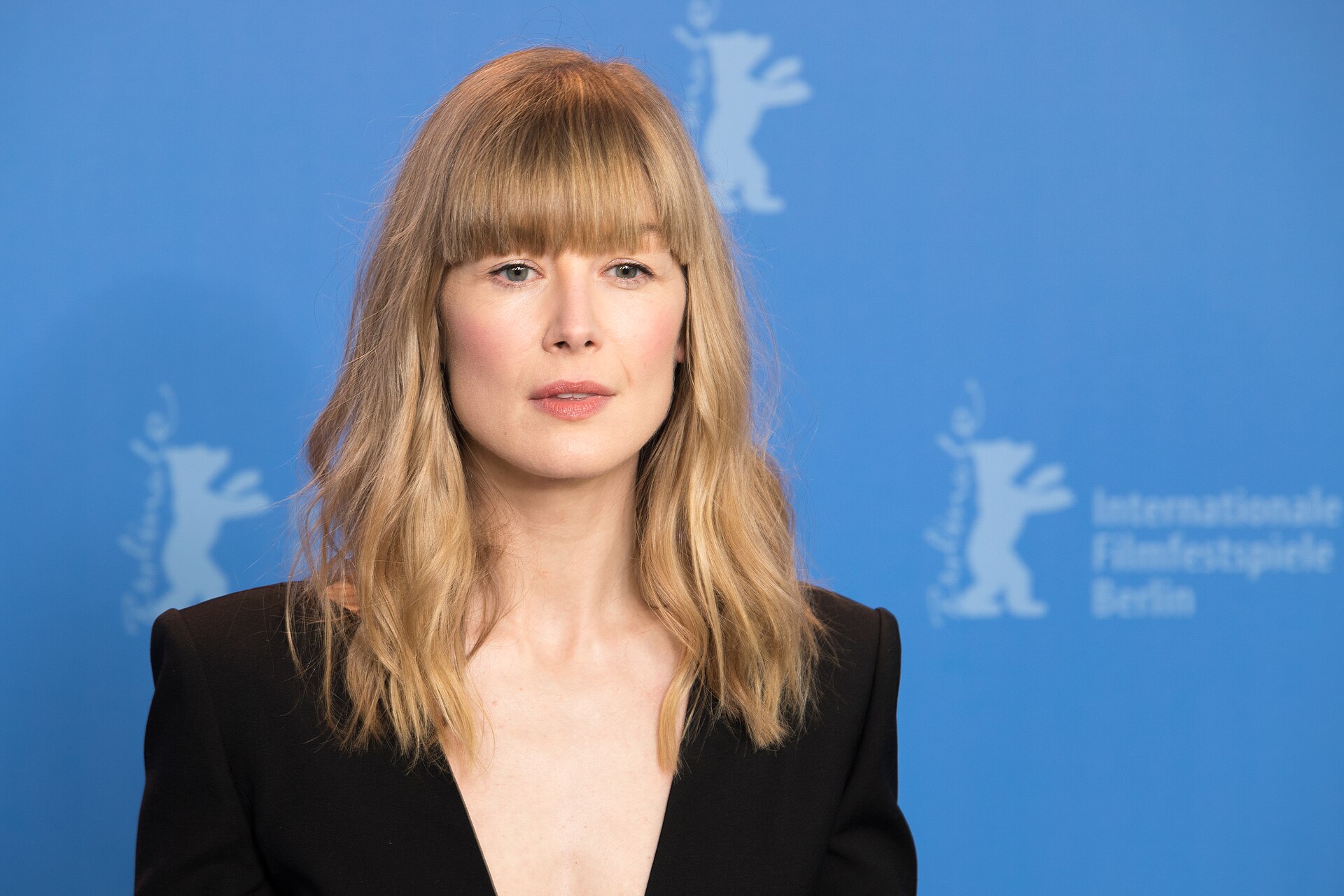
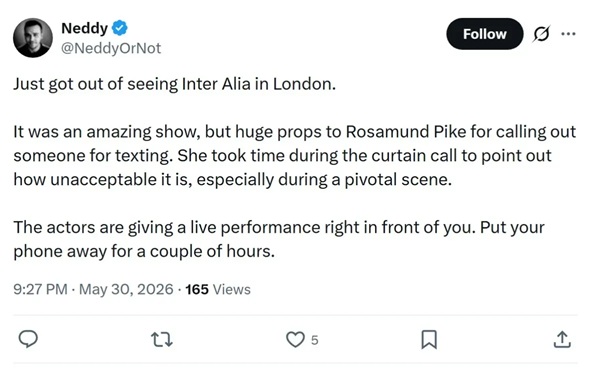
In the latest entry in the long-running series How We Have Decided to Stop Paying Attention to Anything Ever Again, audience members at a London production of Inter Alia starring Rosamund Pike were reportedly texting during the performance.
Texting. During theatre. In London. A city that once managed an empire without everyone even once checking Instagram.
The incident prompted Ms Pike to do something increasingly rare in modern public life: she addressed reality directly.
After the final curtain, she reportedly walked on stage to rebuke the audience.
A moment which, in earlier centuries, would have been called “basic human sanity,” but now registers as borderline experimental theatre in its own right.
Beyond Bad Manners
It’s tempting to treat this as a simple manners issue.
It’s rude to text while sitting in the third row of a London theatre where the actress can see your emojis as she’s trying to recite a monologue about sexual violence.
And that would be true.
But it would also be too comforting. Because manners suggest intent.
But what we are dealing with now is something more passive, and more automatic.
The real problem is not so much a decline in etiquette, so much as the civilisation-wide condition of partial presence. No one is ever fully anywhere anymore.
The Crisis of Partial Presence
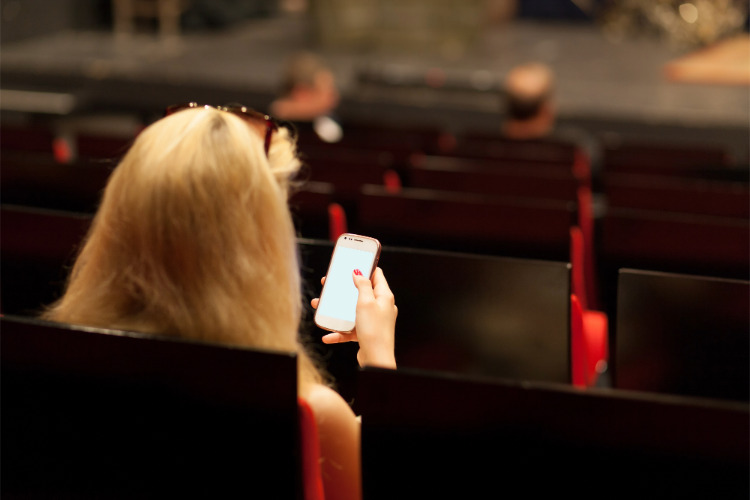
We sit at dinner while elsewhere.
We walk through parks while elsewhere.
We attend concerts, funerals, weddings, theatre productions, church — all while maintaining a discreet but firm emotional residency somewhere else entirely, usually inside an algorithmically curated stream of content designed to ensure we never experience the inconvenience of sustained attention.
And the strange thing is not that we do it, but that we barely notice we are doing it.
We have normalised distraction to the point that presence now feels like a kind of eccentric hobby.
Something monks might do.
Or people with too much time.
Or those suspiciously earnest individuals who say things like “I try not to look at my phone after 7 pm,” as if they are announcing a dietary restriction involving raw meat.
What We Lose When We Stop Paying Attention
The deeper problem is not rudeness. It’s erosion.
Because attention is not just politeness. It’s the currency by which meaning is created.
To watch something properly is to grant it weight.
To listen without fragmentation is to allow ideas to form their full shape.
To be present is, in a very real sense, to let reality exist at full resolution.
And we are steadily choosing not to do that.
Instead, we skim existence. We live in preview mode. We half-experience things while reserving our full emotional bandwidth for whatever may arrive next.
Which raises an uncomfortable question: if nothing is ever fully attended to, what exactly are we building with all that time?
The answer, increasingly, seems to be: nothing in particular. Just a generalised hum of distraction, punctuated by occasional moments of outrage when someone points out that perhaps texting during a live performance might not be the height of cultural sophistication.
But even outrage now is brief. It competes, after all, with everything else.
And so the cycle continues.
___
Republished with thanks to The James Macpherson Report. Images courtesy of Wikimedia Commons and Adobe.
One Comment
Leave A Comment
Recent Articles:
16 October 2026
4 MINS
A desperate Victorian Labor Party is peddling taxpayer-funded abortions as free “healthcare”. In a shameless attempt to stay in power, they're willing to do anything — including killing the unborn and forcing taxpayers to pay for it.
16 October 2026
4 MINS
Katie Zacharia’s first days as White House Press Secretary have sparked fierce media criticism, but her remarkable testimony of surviving an abortion attempt tells a deeper story.
16 October 2026
3.4 MINS
Australia’s proposed digital duty of care laws promise greater online safety and increased user control by switching off algorithms, but critics warn they could give ministers sweeping powers to restrict lawful content and threaten free speech.
A Million Women Movement Marks Second Anniversary: “Look What the Lord Has Done! Ishtar Has Fallen!”
16 October 2026
2.8 MINS
Two years after A Million Women gathered in Washington for ten hours of prayer and fasting, organisers point to victories they believe reflect God’s answers to intercession.
16 October 2026
2.6 MINS
Euthanasia accounted for 4% of all deaths in Belgium in 2025, with growing numbers involving people who were not terminally ill, dementia patients and psychiatric conditions.
16 October 2026
5.2 MINS
Christa Pike’s botched execution has sparked outrage across America, but critics argue that the same concern for human dignity is denied to abortion survivors.
15 October 2026
3.6 MINS
An 80,000-strong gathering in Texas signals a hunger for revival, as Pastor Philip Anthony Mitchell warns that Christian indifference could leave future generations without the faith.



James, you’ve done it again! Hit the nail on the head. Thank you, a much needed article.