



Anti-Euthanasia: Listening to the Voice of First Nations Peoples
Munganbana Norman Miller, Convenor of the Voice of First Nations Peoples Against Euthanasia, said from Cairns today that “All lives matter and Black Lives Matter.”
He said,
“Because the Queensland government will be introducing Voluntary Assisted Dying legislation into parliament this week, we have to speak out and be heard as First Nations People need a Voice in this debate. I am of the Jirrbal, Bar-Barrum and Tableland Yidinji tribes.
“For Aboriginal and Torres Strait Islander people, our connection to a spiritually defined country or land is vital. Our identity is based on the land or marine habitat we come from and the people of that land we are affiliated with, past, present and future. We are connected through the story places of our country, passed down through generations,” said Munganbana.
“So, to die in a hospital in Cairns or elsewhere, a long way away from our country, kin and community is a tragedy. That’s why we need better palliative care in our communities. We do not want a lonely death in a strange place where we cannot practice our customs,” he said.
“It is hard enough for many First Nations people to cope with the medical system where control over our lives seems to be taken from us and given to doctors and nurses. This loss of control and reduced health to make sound decisions leaves us vulnerable. But to add to this the expectation that we should choose to die early in assisted suicide or VAD, so that we are no longer a burden, is disgraceful. This leaves our people open to pressure.
“For First Nations Peoples, death is a community matter, not just an individual decision. The death of a person puts their whole community into mourning and normal business is stopped so “sorry business” can be observed.
“Government-sponsored death is a disgrace and a tragedy for First Nations Peoples and our community-based culture.
“We who are opposed to voluntary assisted dying strongly support a ‘care first’ approach of high-quality palliative care for all Queenslanders,” continued Munganbana.
“Every Queenslander has the human right to have equal access to good quality palliative care before a policy default to euthanasia. First Nations peoples in Queensland, particularly remote communities, require urgent boosting of funding for palliative care.
“I am glad the Queensland premier has said there will be a conscience vote as there should be on such a sensitive matter which is really a moral issue.
“The legislation should pass the Public Interest Test which has three concepts — the common good, human dignity and autonomy. Understanding the public interest also requires us to engage with our First Nations Peoples with this conversation.
“Rushing to introduce euthanasia when rising suicide rates are a national problem is hard to understand and against the public interest, especially for First Nation Peoples.
“Regarding autonomy when it comes to people with disability, the aged and the terminally ill, there are many pressures to reduce their autonomy by encouraging assisted suicide or the no-treatment option which results in death.
“Assisted suicide and euthanasia are illegal in Queensland. Let’s keep it that way and provide better palliative care,” said Munganbana.

2 Comments
Leave A Comment
Recent Articles:

5 October 2026
4.9 MINS
Free Speech Union co-founder Reuben Kirkham warns Australia’s proposed Digital Duty of Care could expand censorship powers, undermine free expression and bypass recent legal protections.
5 October 2026
7.3 MINS
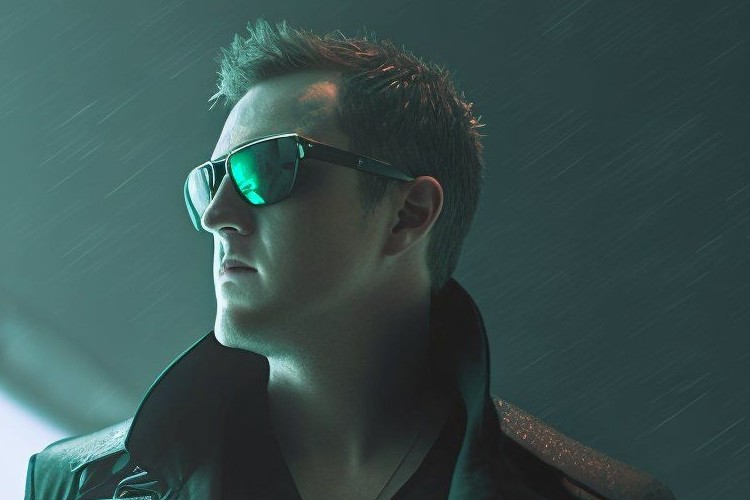
DJ, composer and trance music icon, Tyson Illingworth aka tyDi shares his testimony in coming (back) to Christ in this exclusive interview with Aaron Duff from Australian Christian Records.

5 October 2026
3.7 MINS
The Albanese Government promised cheaper coffee by banning card surcharges. Instead, the costs simply moved into higher prices — leaving Australians paying for a saving that never existed.

5 October 2026
3 MINS
The Church is the salt of the earth. But if salt becomes tasteless, it is useless — and thrown out.

4 October 2026
3.5 MINS
As children of the day, let us live freely out of our identity and awaken those around us from spiritual sleep. We carry more than faith for a great awakening — we are the awakeners.

3 October 2026
3.7 MINS
The Church is called to be counter-cultural not to be merely contrarian, but because we love God and people. In this world, that will mean going against culture that is contrary to God.
2 October 2026
2.6 MINS
NSW Libertarian Gemma Noiosi is challenging taxpayer-funded activist events, arguing government grants should not bankroll controversial projects or private cultural ventures.



It’s sounds like everything you are asking for, are the same reasons the majority of Australians want VAD legislation introduced.
I don’t mean to be disrespectful but do you understand what VAD actually is?
You say:
“So, to die in a hospital in Cairns or elsewhere, a long way away from our country, kin and community is a tragedy. That’s why we need better palliative care in our communities. We do not want a lonely death in a strange place where we cannot practice our customs,” he said.”
We say:
Isn’t that what most people want- aboriginal or not? This is exactly what VAD will provide.
You say:
“It is hard enough for many First Nations people to cope with the medical system where control over our lives seems to be taken from us and given to doctors and nurses. “
We say:
Yes yes and yes- we all agree , it’s hard for everyone which is why we want choice.
You say:
“The legislation should pass the Public Interest Test which has three concepts — the common good, human dignity and autonomy.
We say:
Yes yes and yes, the exact same three reasons why most Australians want VAD legislation.
There are no differences- we all want the same, choice, a dignified and peaceful death- basic human rights????
Fiona you say your arguments for VAD are the same as our arguments against. That is simply not true.