



Take Action Against the Digital ID Bill!
The Federal Government is currently seeking submissions on its Digital ID Bill. Digital ID aims to set up a single place where all our personal data will be kept: birth certificates, passports, driver’s licences, medical data, and more.
A digital ID would be the centrepiece used by both government and private companies. This means everything from banking and telecommunications to government services.
Digital ID is being put forward as a way to safely and securely store our most sensitive personal information. What could possibly go wrong?
The answer is quite a lot. Watch as Senator Ralph Babet discusses the digital ID bill below.
A Cyber-Safety Issue
By placing all our data in one place, it would allow successful hackers to access sensitive information about us. While security measures continue to advance, so do the criminal methods to break into those systems. There is simply no guarantee in any system.
Cyber-attacks and data breaches are now commonplace. Some recent examples include Optus in October 2022, Medibank in November 2022, the NSW Government in April last year, and the prime minister’s office, the Reserve Bank of Australia and Australia Post on Sunday.
Increased Government Power and Control
But more concerning than safety issues is the ability of a digital ID system to be used for malevolent purposes by controlling governments and businesses.
A central bank digital currency, or even a social credit system like China’s, could easily be added to a digital ID in the future. The UK’s Daily Telegraph, reporting on an interview with Tom Mutton (a director at the Bank of England) stated,
“A digital currency could make payments faster, cheaper and safer, but also opens up new technological possibilities, including programming: effectively allowing a party in a transaction, such as the state or an employer, to control how the money is spent by the recipient.”
Examples of Current Digital Control
The idea of governments working with banks to control how (or if) people are allowed to access their money is not a fantasy. Even without digital ID, in 2022 Canadian Prime Minister Justin Trudeau froze the accounts of the ‘Canadian truckers’, who opposed the government’s extreme vaccine mandates.
Another example is Nigel Farage, the former British politician who was at the centre of Brexit. The bank decided to ditch him as a customer – because they disdained his pro-UK political views. Incredibly, when Farage attempted to open accounts at several other banks, he was refused. As Nigel warns, “If they can do this to me, that can do this to you.”
Finally, in September last year, the World Bank ‘de-banked’ Uganda in response to the (largely Christian) nation’s stance against LGBTA activism. As recorded in the Daily Declaration, “The World Bank said on Tuesday it would halt new lending to the Ugandan government after concluding that its anti-LGBTQ law, which has been condemned by many countries and the United Nations, contradicts the bank’s values.”
There are indeed some practical benefits to digital ID. But by centralising information (and therefore power) into government hands, it’s a recipe for disaster.
Digital ID poses a serious risk to our freedoms now and into the future. For the sake of ourselves and the upcoming generation, we must vigorously resist it. With the opportunity to write to the Senate Committee, now is the time.
It’s Time to Push Back Against Digital ID
Thankfully, many have been alerted to the dangers. Senator Alex Antic’s petition has already gained nearly 120,000 signatures. This is encouraging, but collectively, we must do more.
If you are able, we strongly urge you to make a submission to the Committee. It doesn’t need to be long. The number of submissions is far more important than the length of a submission. Simply voice your concerns about digital ID concisely. You could even use one sentence or paragraph out of this email and put it in your own words.
When you click the green button, you will be taken to the Australian Government website where you can upload your submission. You can also email your submission to: economics.sen@aph.gov.au.
Yours for freedom,
Samuel Hartwich & Warwick Marsh
Recent Articles:

17 October 2026
3.4 MINS
Seeking the face of God means surrender, laying aside our agenda and wants. Revival begins when we want God himself more than we want the outcome.
16 October 2026
4 MINS
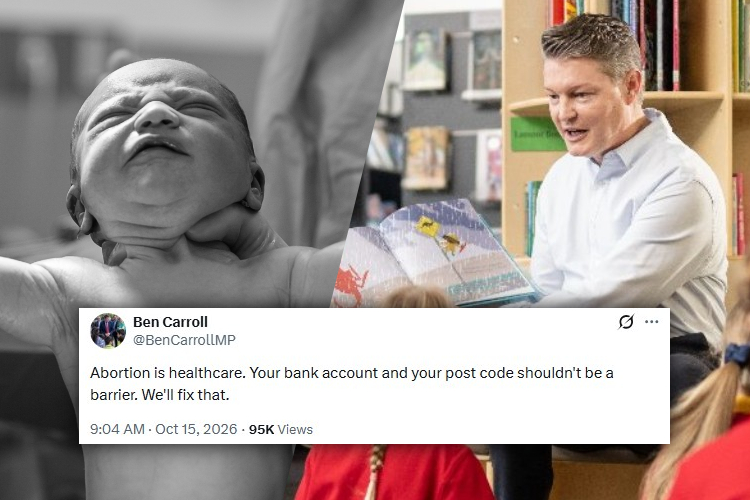
A desperate Victorian Labor Party is peddling taxpayer-funded abortions as free “healthcare”. In a shameless attempt to stay in power, they're willing to do anything — including killing the unborn and forcing taxpayers to pay for it.

16 October 2026
4 MINS
Katie Zacharia’s first days as White House Press Secretary have sparked fierce media criticism, but her remarkable testimony of surviving an abortion attempt tells a deeper story.
16 October 2026
3.4 MINS
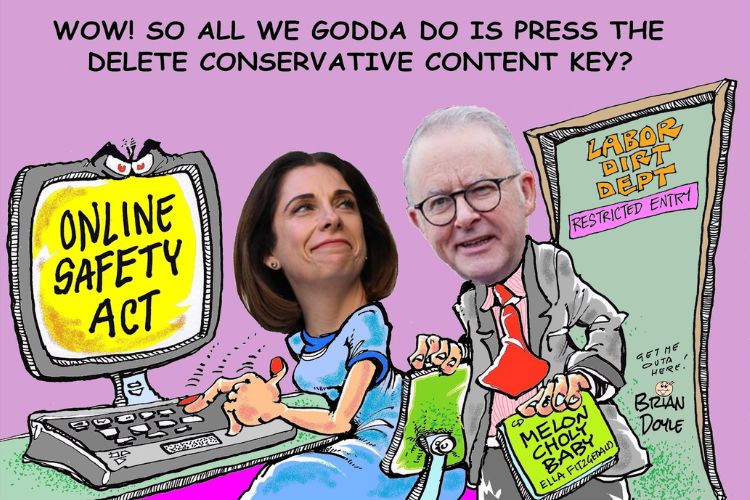
Australia’s proposed digital duty of care laws promise greater online safety and increased user control by switching off algorithms, but critics warn they could give ministers sweeping powers to restrict lawful content and threaten free speech.
A Million Women Movement Marks Second Anniversary: “Look What the Lord Has Done! Ishtar Has Fallen!”
16 October 2026
2.8 MINS
Two years after A Million Women gathered in Washington for ten hours of prayer and fasting, organisers point to victories they believe reflect God’s answers to intercession.

16 October 2026
2.6 MINS
Euthanasia accounted for 4% of all deaths in Belgium in 2025, with growing numbers involving people who were not terminally ill, dementia patients and psychiatric conditions.
16 October 2026
5.2 MINS
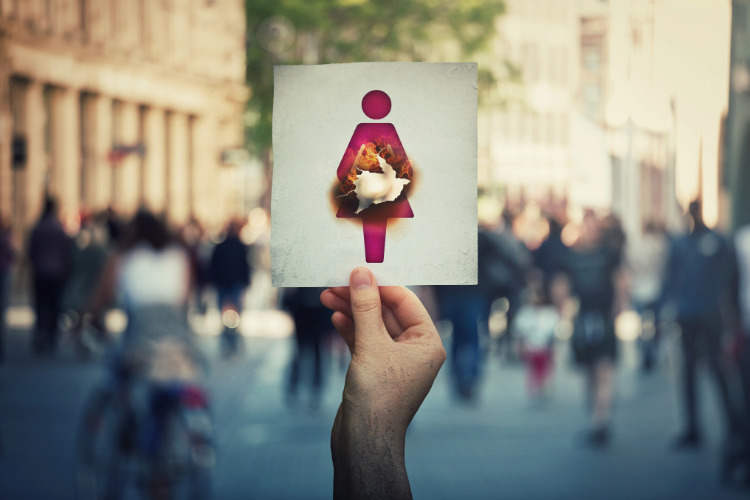
Christa Pike’s botched execution has sparked outrage across America, but critics argue that the same concern for human dignity is denied to abortion survivors.


