



Where to Now for Aussie Conservatives?
In the wake of this election disaster, many conservatives are asking the same question: Where do we go from here?
Two paths are being seriously debated: either uniting the minor parties and disillusioned voters to create a new political force or attempting to take back control of the Liberal Party from within. Each option carries real potential and real risk.
Can We Unite the Right?
Some believe the time is right to unite the right and build something new. The old party brands no longer inspire trust, and more Australians than ever are walking away from the majors. A fresh movement — one rooted in principle, conviction and grassroots support — could offer a real alternative to the inner-city elite politics dominating both major parties. A new force would not be bound by factional baggage or legacy deals. It could speak plainly to the suburbs and the regions. It could be bold. And it could attract not just conservatives, but disillusioned Labor voters and independents looking for meaning in their vote.
But the reality is, Australia’s two-party system is still tightly stitched into the fabric of our electoral process. Preference deals, funding flows, media oxygen — they’re all geared to favour the status quo. And while there are pockets of strength across the minor right, they’re spread thin and led by big personalities with their own empires — Pauline Hanson, Clive Palmer, Bob Katter — none of whom are likely to submit to a single banner.
Change from Within?
Others argue that the answer lies within the Liberal Party itself. Despite its current state, it still has national infrastructure, brand recognition, and the legacy of once standing for conservative values. If enough committed Australians flooded the party with a reform mindset, challenging the factional rot and taking over at the grassroots level, it could be rebuilt from within. The long game could pay off—and has historical precedent. Parties have been shifted before when movements gained control from the bottom up.
But here, too, there are hard truths. Many have tried this route before — including myself — and failed. The gatekeepers are deeply embedded. Preselection is controlled. Memberships are managed. The machine resists change precisely because it is designed to protect its own.
It’s Later Than You Think
This is no longer about strategy. It’s about survival.
___
Originally published at Nation First.
Image by Adobe.
2 Comments
Leave A Comment
Recent Articles:

13 October 2026
2.6 MINS
Allegra Spender’s proposed bill reignites debate over discrimination protections, religious freedom and the right of faith-based schools to uphold their beliefs and values.

13 October 2026
3.9 MINS
Tasmania’s proposed conversion practices law raises serious concerns for churches, parents and faith-based schools, with broad definitions, severe penalties and uncertain protections for religious freedom.
13 October 2026
5.5 MINS
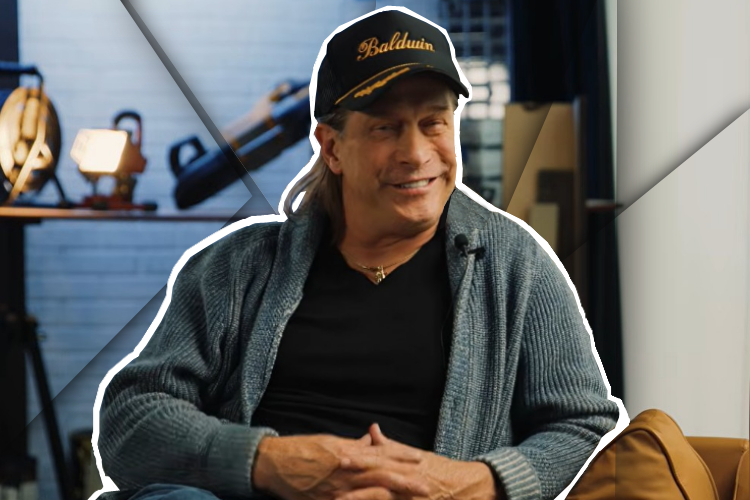
Stephen Baldwin’s journey from drug addiction to sobriety, Christian faith and family life reveals how surrender, daily discipline and renewed hope transformed his life.

13 October 2026
2.1 MINS
Victoria’s assisted dying deaths have surged by 300 per cent since legalisation, while a disturbing case involving a patient’s partner raises urgent questions about safeguards.

13 October 2026
1.8 MINS
Australia faces mounting geopolitical, economic and defence threats, but its political leaders lack the statesmanship, bold vision and decisive communication needed to prepare the nation.

13 October 2026
2.8 MINS
The church in Ephesus had so much going for it. Yet despite their hard work, perseverance, endurance, and discernment, there was something deeply wrong: they had left their first love.
12 October 2026
4.6 MINS
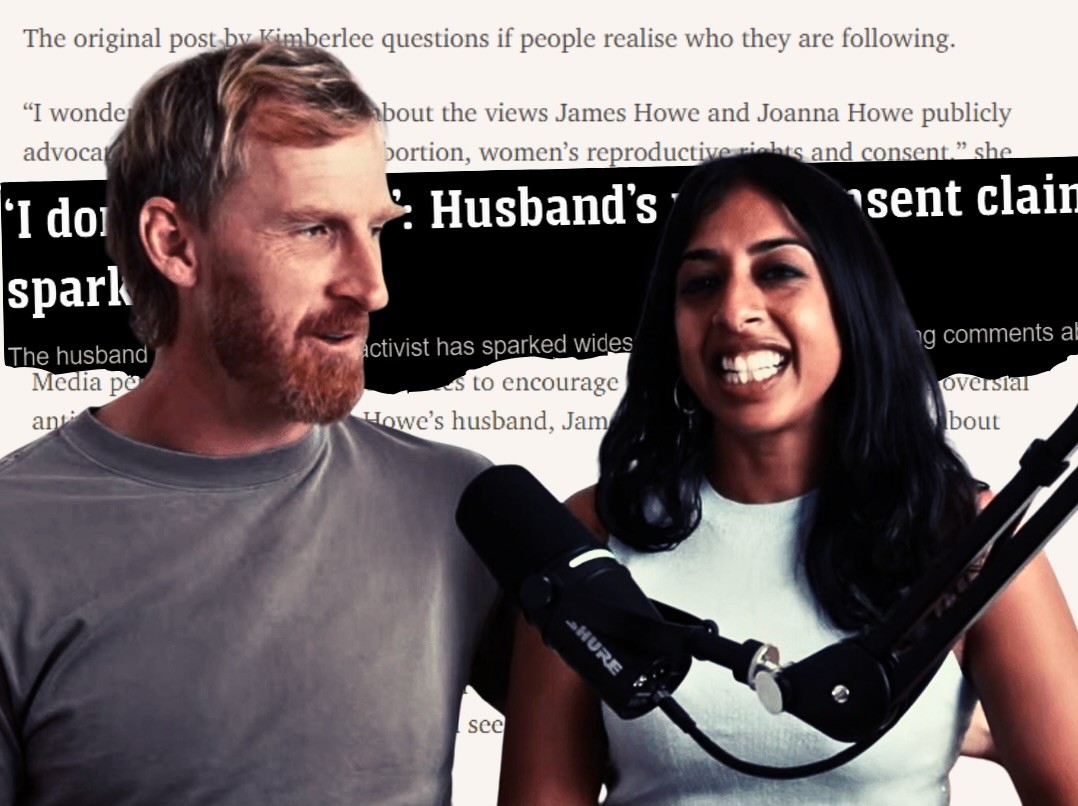
Learn how journalists use loaded language, selective quotes and misleading headlines to shape public opinion, using a controversial report about James and Joanna Howe as a case study.



civic involvement is a requirement for Christians. if enough Christians joined the Coalition as branch members then, over time, vacancies can be filled with true conservatives in the internal apparatus of the party. We need to go slow because the powers that be could kick us all out if they suspect a coup. The national Leader (pm or opposition leader) can sack state executives if we beat the war drums a little loudly. but slowly replacing party vacancies with conservatives one at a time might work.
and it’s worth a shot. what else do you have in mind?
History shows us that institutions get to a stage where they spend more time maintaining and defending their own existence than they do on their ostensible purpose. Starting afresh is hard, but it’s the course of action with the most realistic prospect of success.