


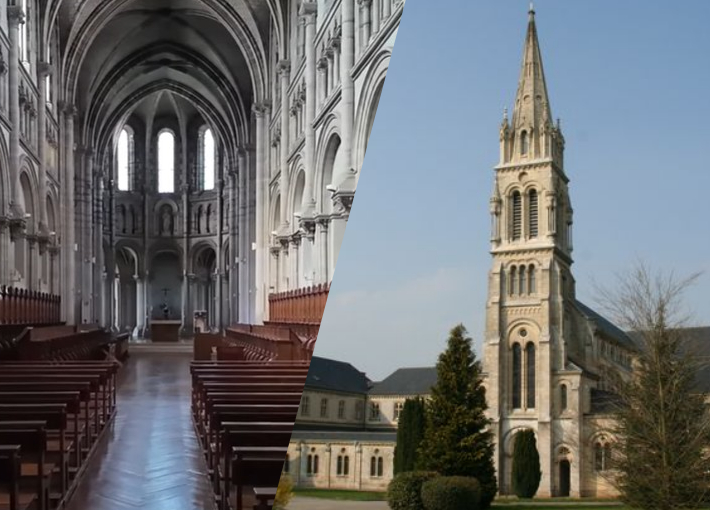
Normandy’s La Trappe Abbey Closure Exposes the Secularist ‘Spiritual Disaster’ That is Rotting the West
Normandy’s Trappist monastery will fall under the auctioneer’s hammer after holding out for over 900 years.
This marks yet another piece of Christianity forced out of the marketplace and into the museum.
Like the great pubs and family estates of Britain, which were designed for a different age to serve a specific time and purpose, in 2028, the French Abbey of La Trappe will close its doors for the last time.
A 900-Year Legacy Coming to an End
An announcement was reluctantly made in March.
Cistercian monks who live on the grounds said the decision was “the result of a long period of discernment by the community.”
Reasons for the planned departure were stated in a press release, which reassured visitors that the Abbey had not yet been sold.
The statement also confirmed that the monks were still on site and were still living out nine centuries of consistent Christian prayer, work, and community service.
“Day and night, the brothers will remain a prayerful presence for the Church and the world.”
2028’s farewell comes down to a “scarcity of vocations and the increasingly heavy burden of maintaining the land,” the Abbey said.
They’re not giving up without at least trying to keep the Abbey alive.
The Cistercians said they were negotiating “with other communities to find more suitable solutions, more economically and spiritually relevant.”
Although this appears to be a bold attempt to save the Abbey, they said, with dwindling numbers of monks, maintaining the site, “has been difficult for the past several decades.”
Not willing to call it a catastrophe, the monastery did say this was “undoubtedly a turning page in history.”
They additionally used the news as a rallying cry for more prayer.
“This is,” the Cistercians said, “an invitation for the Church to respond to pray for vocations of priests, deacons and consecrated men and women in the Church.”
Leaving the Perche region and the iconic site “will be very demanding and painful” for the monks, the press release added.
That “profound loss” will also be felt by the community connected to the Abbey, which, for some, goes back generations.
Too Few Monks, Too Much to Maintain
Helping with further context, the National Catholic Reporter (NCR) said La Trappe Abbey in Normandy has around 10-12 full-time monks.
The complex is designed to host 100.
Its eventual closure, NCR indicated, is par for the course, given current trends.
“Once-flourishing monastic communities in France are seeing their numbers decline rapidly.”
For example, “between 2000 and 2023, the number of monks and nuns fell from 66,000 to 22,000 and could fall below 10,000 by 2045.”
This means “two to three monasteries or convents are closing per month, on average.”
NCR gave a chilling list of closures, some of whom have a history of service as long as Normandy’s La Trappe Abbey.
The Vatican’s response to the decline seems to involve a strategy of consolidation.
If accurate, the tactic presumably aims to preserve the monastic life by filling carefully selected monasteries.
Another strong implication here is that the Vatican doesn’t appear to be afraid of mixing monastic orders.
Glimmers of Hope Amid the Decline
While the decline is well-documented, NCR said, there are signs of life.
“Benedictines are growing, and the Cistercian order hasn’t been completely wiped out.”
There is “revival in some places,” NCR reported.
Younger monastics are moving in, such as “the dynamic Cistercian community of Boulaur nuns,” who took up residence in La Trappe de Notre-Dame after it was vacated by Trappists in 2022.
Commenting on the closure and La Trappe Abbey signing off after an epic 900-year run, popular, outspoken Catholic commentator Bishop Robert Barron asked people to double down on prayer.
“Petition that the monks of La Trappe might find a way to preserve their great Abbey.
“It is needed especially now.”
Barron then declared this pointed lament:
“Founded over nine hundred years ago, La Trappe has survived the Black Death, the Hundred Years’ War, the Protestant Reformation, the French Revolution, and the world wars of the twentieth century.
“That this venerable monastery cannot find enough vocations to keep it alive is, in my judgment, a sign of the spiritual disaster that has befallen Europe.
“Ideological secularism is rotting the soul of the West.”
Recent Articles:
8 October 2026
3.6 MINS
John Anderson warns that Australia’s decline is rooted in spiritual and cultural disintegration, calling for a recovery of Christian foundations, social cohesion and national purpose.
8 October 2026
4.1 MINS
Aboriginal communities in Central Australia already know the gospel message. What they need now, Robyn Murray writes, is discipleship, encouragement and Christians willing to pray and participate.
8 October 2026
4.1 MINS
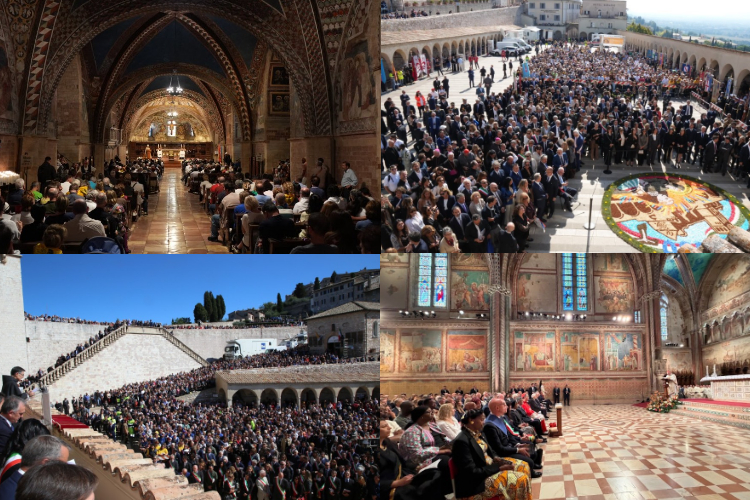
Italy honours St Francis of Assisi 800 years after his death, celebrating a saint whose devotion to Christ, radical simplicity and message of peace continue to shape generations.

8 October 2026
4 MINS
Christ’s authority and concern is not limited to the four walls of the church. They extend to the life of the nation, and we are called to take up our part in seeking its righteousness.
7 October 2026
1.5 MINS
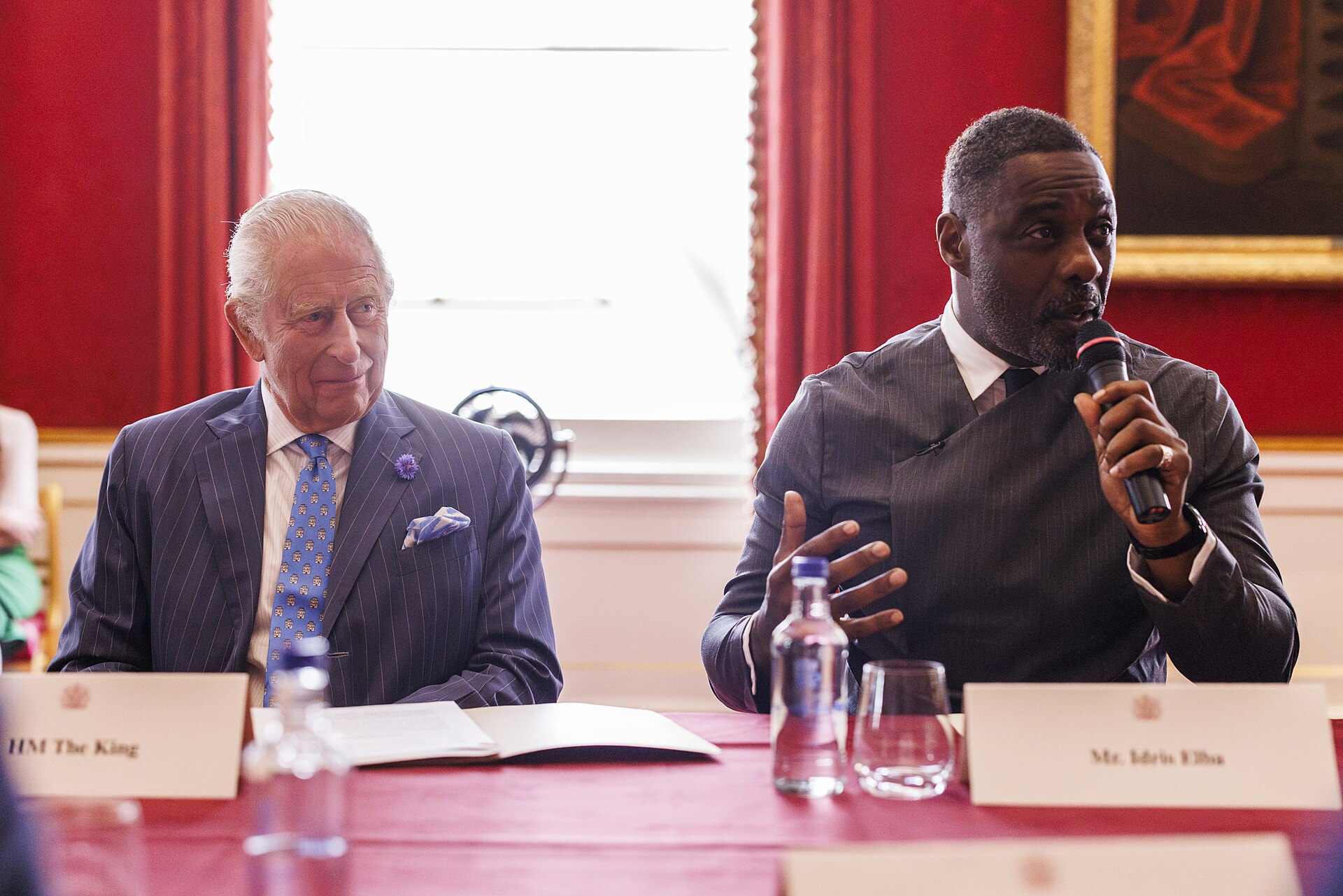
Across the Middle East, North Africa and Anatolia, Christianity once shaped entire civilisations. Could Britain’s Christian heritage likewise become a memory rather than a reality?

7 October 2026
6 MINS
What can Tucker Carlson’s interview with Jacob Rees-Mogg teach us about political disagreement? Their clash over war, Russia and national defence highlights the importance of listening carefully and understanding an opponent’s position before attempting to refute it.
7 October 2026
8.5 MINS
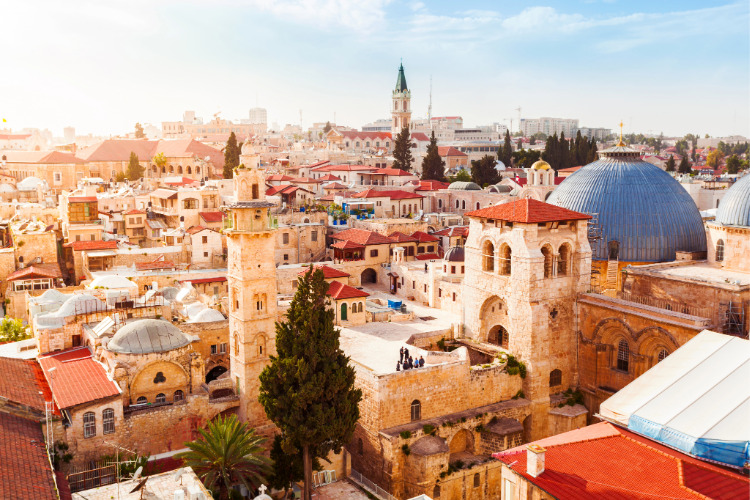
Gerald McDermott’s work challenges Christians to approach Israel through Scripture first, exploring God’s covenant faithfulness, Christian Zionism, Jewish identity and antisemitism.


