



Did Mabo let Aboriginal Peoples down?
Most Australians are familiar with the comical legal defence made by the fictional character, solicitor Dennis Denuto in The Castle. However, not as many are as aware of the underlying subversive affirmations of the cult classic. In one of the movie’s most best-known monologues, Denuto shows just how out of his legal depth when he says:
In summing up. It’s the constitution… It’s Mabo… It’s justice… It’s law… It’s the vibe… And ah… No, that’s it… it’s the vibe. I rest my case.
While the majority of Australians would agree with it, very few understand the complex legal argument behind it. As the Hon. Michael Kirby once wrote:
Rarely has a decision of an Australian court attracted so much praise and so much calumny. Most commentators have, of course, not read the decision. Most do not really know exactly what the case decides.
By the way, a full transcript of the almost 100,000-word decision can be viewed here.
Geoffrey Blainey, though, writing in The Weekend Australian recently, provocatively argues that the Native Title Act of 1993 has ‘stolen’ from Aboriginal peoples the hope of ever owning their own home. As Blainey explains:
The rising level of Aboriginal home ownership is little known. The latest census discloses that across the nation, 38 per cent of Indigenous households either own or are paying off their own home. In some states, it is close to 50 per cent. For mainstream Australians home ownership is a disappointing 66 per cent and not improving.
Home ownership by Aboriginal peoples is rare in the remotest regions. There, in the opinion of social workers, home ownership would improve the way of life and even reduce domestic violence. Why then do Aborigines lack the opportunity to build a house in those vast regions where they collectively own all or nearly all the land? It is the Native Title Act of 1993 which usually prevents them from individually owning their own block of land and building on it. They cannot even mortgage the land in order to borrow money from the banks.
In our nation, the hope of owning one’s home is important. It is often valued as highly as the right to vote. But this hope is stolen from the most Aboriginal of all Australians. One day the major political parties in the federal parliament will surely resolve to amend this race-based law.
Blainey offers a perceptive insight into the ongoing problems many Aboriginal peoples still endure. Owning one’s own home is an integral component in developing personal responsibility, family stability and financial investment. However, the Native Title Act of 1993 sends Aboriginal peoples back to a nomadic existence of hunting and gathering. As such, it denies them the right to fully participate and succeed in the modern world.
Blainey is also right to suggest that, “One day the major political parties in the federal parliament will surely resolve to amend this race-based law.” However, in the toxic soup of identity politics, this is highly unlikely to occur any time soon, since any who attempt to do so will be dismissed as being racist.
Ironically, the Mabo decision may have unfortunately caused Aboriginal peoples more harm than good. This is because in prohibiting the development of land received under Native Title, an Aboriginal person’s personal agency is stunted and they are forced to remain in a state of paternalistic welfare dependency.
It is hard to development a sense of self-reliance, independence and personal respect where you cannot turn your house into your home. Thankfully, this is not the case for everyone, with over a third of Aboriginal peoples either owning or seeking to pay off their own homes. And this can only be a good thing. For as Darryl Kerrigan rightly says in The Castle,
[Photo by vu anh on Unsplash]“It’s not a house, it’s a home, and a man’s home is his castle.”
2 Comments
Leave A Comment
Recent Articles:
18 October 2026
2.7 MINS
Every season of life belongs to Christ, and we don't retire from discipleship as we grow older. In fact, our older years hold unique gifts for the younger generations.
17 October 2026
3.4 MINS
Seeking the face of God means surrender, laying aside our agenda and wants. Revival begins when we want God himself more than we want the outcome.
16 October 2026
4 MINS
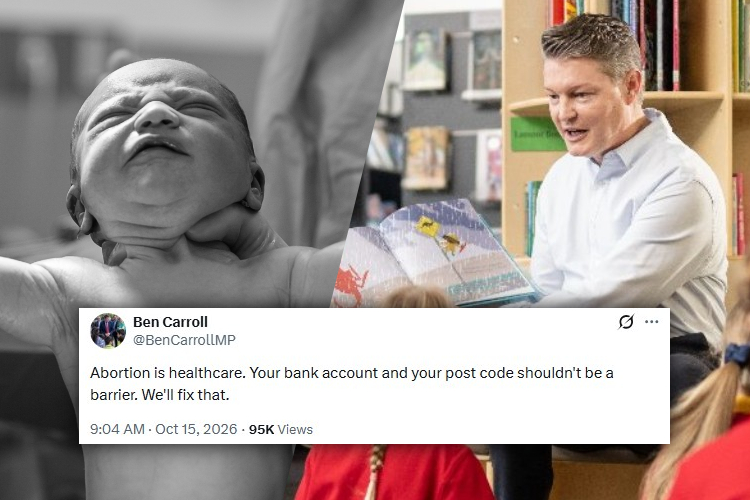
A desperate Victorian Labor Party is peddling taxpayer-funded abortions as free “healthcare”. In a shameless attempt to stay in power, they're willing to do anything — including killing the unborn and forcing taxpayers to pay for it.
16 October 2026
3.4 MINS
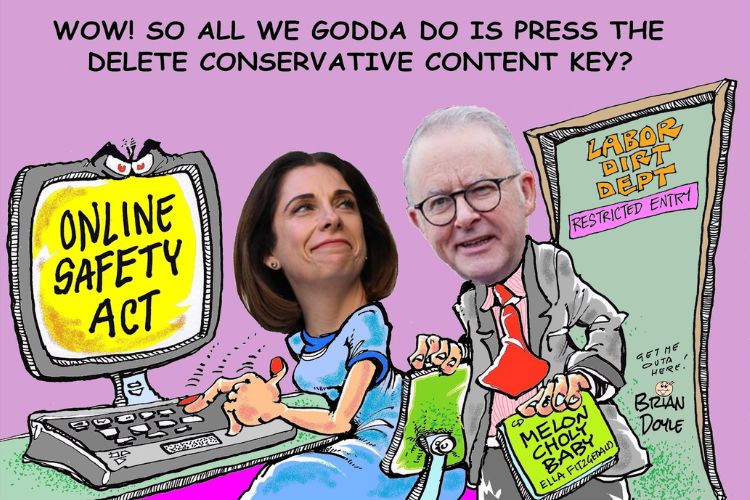
Australia’s proposed digital duty of care laws promise greater online safety and increased user control by switching off algorithms, but critics warn they could give ministers sweeping powers to restrict lawful content and threaten free speech.
16 October 2026
3.3 MINS
Jesus is calling us to love one another “just as I have loved you”. And if the Church does awaken to that agape (love), the world will see a great and powerful witness to Christ and his kingdom.

15 October 2026
4.2 MINS
Many Australian Christians don’t know a single Aboriginal person. Robyn Murray argues that reconciliation begins with honest history, prayer and a shared life in Christ.
15 October 2026
6.1 MINS
Historian Frank Furedi warns that the West is waging a war against its own past, censoring books, rewriting history and severing future generations from their heritage.



This blog lacks a First Nations person perspective, does that surprise me? Not at all. A non-indigenous person commenting on indigenous matters with no facts to support their opinions.
Actually, Mark is descended from Kanakas and has spent years serving in remote Aboriginal communities, as you can read in his previous articles.
http://blog.canberradeclaration.org.au/2021/05/30/aboriginal-deaths-in-custody/
http://blog.canberradeclaration.org.au/2020/06/16/systemic-welfare-is-the-major-issue-in-indigenous-disadvantage/