



Homeschoolers are Weird? Socialisation and Other Myths
Society’s phobia of homeschooling is largely manufactured. Socialisation is a myth.
What the prevailing version of it looks like is something akin to the blind leading the blind.
Kids were never designed to raise other kids. It’s the vocation of parents to nurture kids into society, not abandon them to figure it all out for themselves.
Unless you’re Hillary Clinton and believe it is the collective’s right to assimilate children into the hive mind, chances are you’re already a homeschooler.
Free from State Control
The socialisation myth survives because governments know home education empowers free thinkers, faith, freedom, and the man for woman, woman for man family unit.
More mum and dad control over a child’s education, means less exposure to daddy government indoctrination.
Big government tends to disincentivise home education because it’s a threat to their power, and demagoguery.
Mums (and/or dads) teaching from home reduces income, payroll, and GST tax revenue. It fortifies the nuclear family, and aims to raise independent thinkers who stand opposed to absolute government dependence.
No Peer Pressure
Homeschooling also competes with the education mills where kids are forced to fend for themselves on a poorly supervised playground, corralled into a caste system, and distanced from their parents.
Then, after twelve years of institutionalisation, they’re rubber-stamped with the equivalent of a social credit score, and told to function in a world with the same peer-guided, class-minded dysfunctional mentality.
This is what many mean by “socialisation.” Concerned parents looking out for their kids are right to stay as far away from it as possible.
The falsehoods and fear stereotyped of homeschooling, mean homeschoolers often get a bad rap, without having the right of reply handed to them.
Multiple Upsides
Homeschooling’s greatest strength is flexibility. Its greatest purpose is opportunity, and its greatest foundation is a loving family.
Parents, as the saying goes, are the original Department of Welfare, Education, and Training.
Examples of homeschooling success include some of history’s biggest writers, thinkers, leaders, athletes, explorers, and entertainers.
Some more recent examples can be found here. See also my top 10 reasons analysis on why homeschoolers are successful here.
For why I think parents should homeschool where they can, when they can, if they can, see here.
For those who’ve considered homeschooling, or were told homeschoolers were unsocialised gits, with no social skills whatsoever, I recently joined Cody Mitchell, host of the Canberra Declaration podcast for an informal chat on the elastic scholastic alternative.
___
Originally published at Caldron Pool. Photo by Gustavo Fring.
Recent Articles:
23 October 2026
13.1 MINS
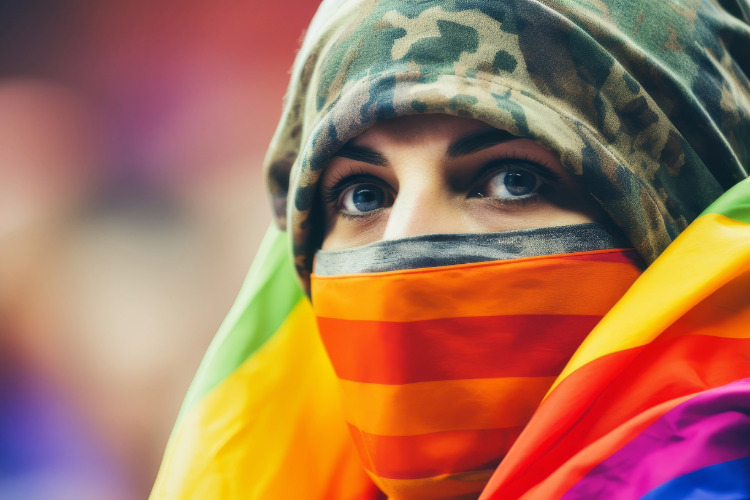
Tasmania’s proposed conversion practices legislation raises serious questions about religious freedom, pastoral care and whether Christians can freely pray with those seeking to live according to their faith.
22 October 2026
4.7 MINS
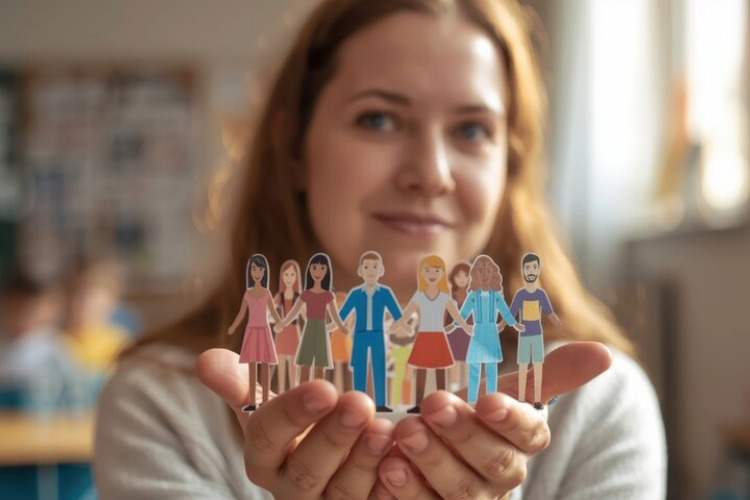
Western Australia’s proposed anti-discrimination overhaul has sparked warnings from Christian leaders that religious freedom, parental choice and faith-based schools’ ability to uphold their beliefs are at risk.
19 October 2026
12.4 MINS
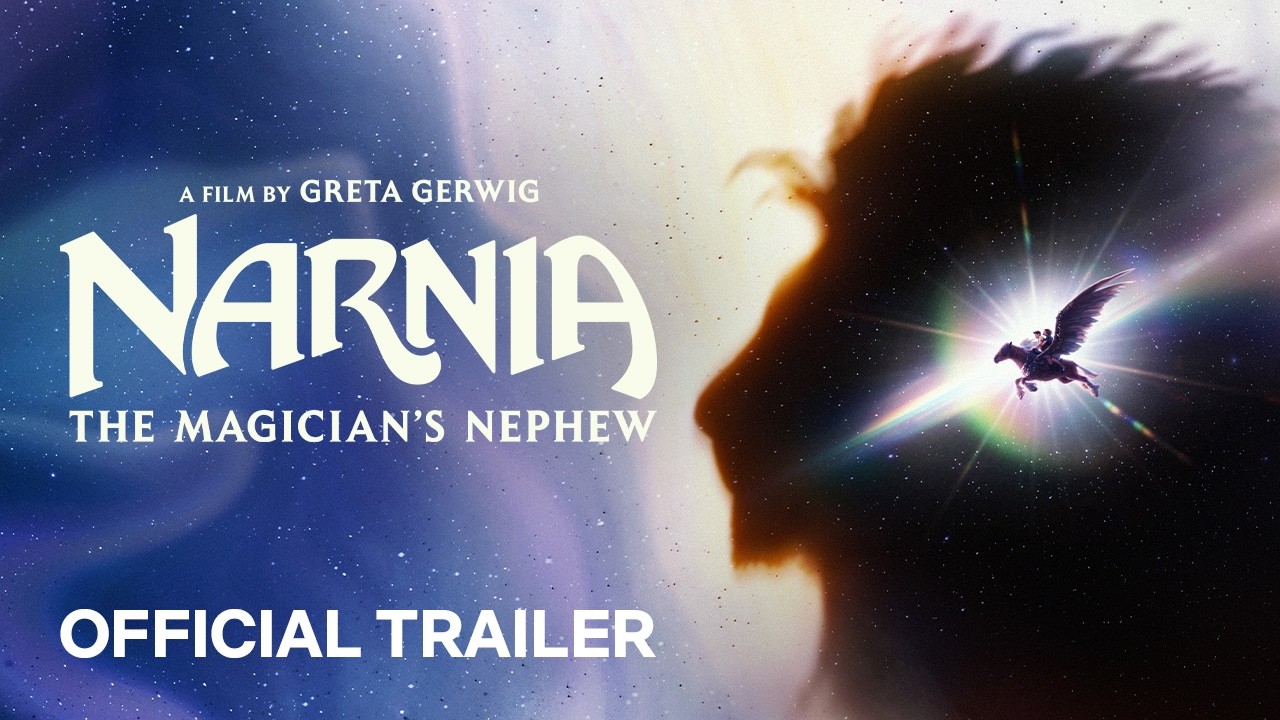
Greta Gerwig’s "Narnia: The Magician’s Nephew" trailer raises questions about C. S. Lewis’s Christian vision and the faithfulness of the new Netflix adaptation. Here are my initial impressions and concerns.
19 October 2026
3.3 MINS
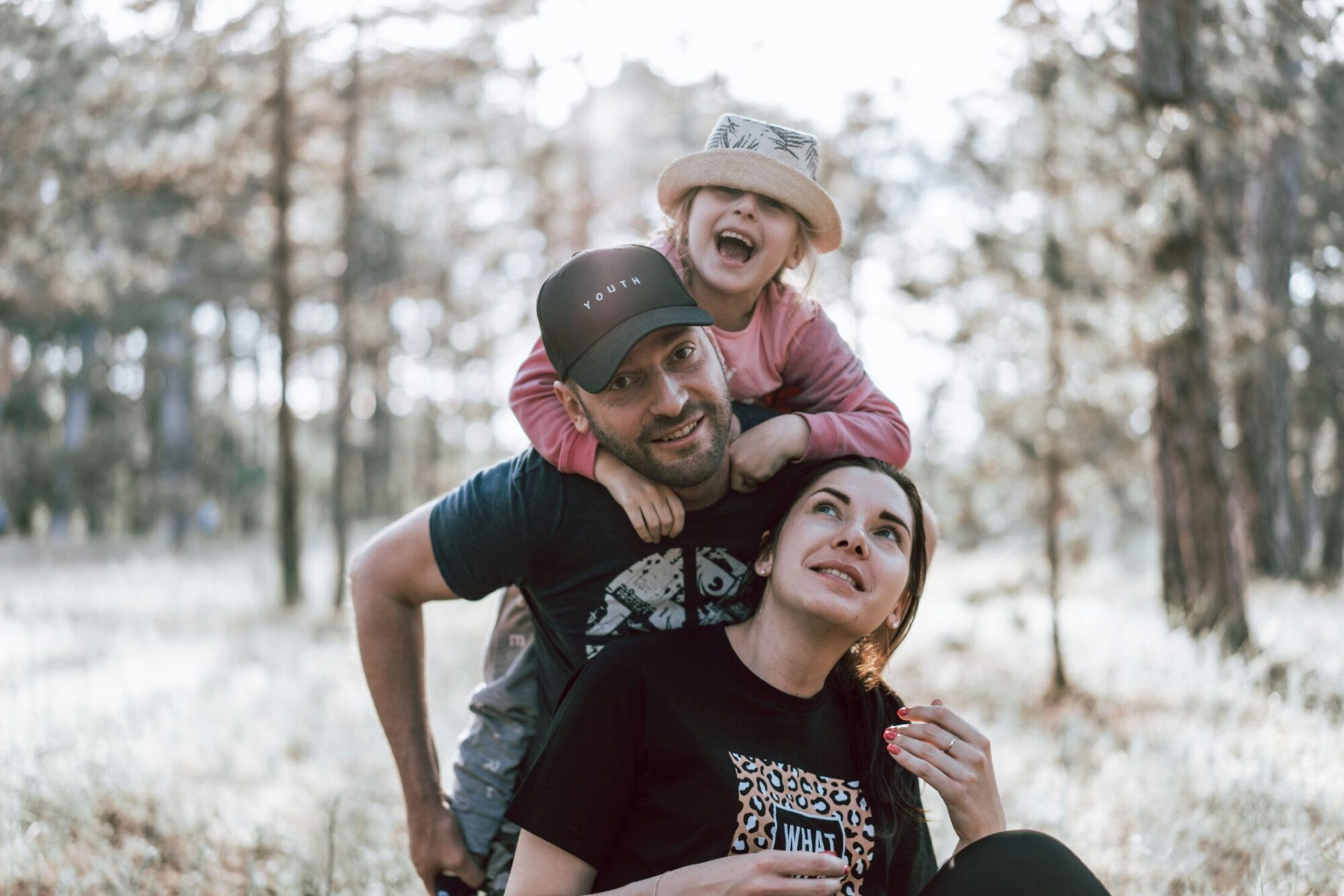
Discover why dads make a unique difference in their children’s lives, and how the Dads4Kids Fun Camp creates lasting memories through adventure, connection and fun.
16 October 2026
4 MINS
A desperate Victorian Labor Party is peddling taxpayer-funded abortions as free “healthcare”. In a shameless attempt to stay in power, they're willing to do anything — including killing the unborn and forcing taxpayers to pay for it.
16 October 2026
3.4 MINS
Australia’s proposed digital duty of care laws promise greater online safety and increased user control by switching off algorithms, but critics warn they could give ministers sweeping powers to restrict lawful content and threaten free speech.
14 October 2026
6.7 MINS
A national poll challenges claims that pro-life Australians are extremists, revealing broad support for abortion restrictions, protections for unborn babies and safeguards for vulnerable women.


