



A Prediction About Russia for 2023
Putin seems to have bitten off more than he can chew by invading Ukraine. Caught in prolonged conflict, Russia may well jettison its leader.
I don’t believe in predictions. However, I do find it valuable to contemplate plausible future scenarios.
So in that vein, here is one plausible scenario for 2023 (in lieu of a prediction): the end of Vladimir Putin‘s long reign in Russia.
This is one way it could happen.
Putin’s mass mobilisation from last year was his final card to turn the tide of the war (the supposed nuclear option is very unlikely in my view).
Losing Ground
The Russian offensive around Bakhmut — its only offensive at this stage (Ukrainians are on the offence across the remaining entirety of the front) — looks to be culminating.
Russia also appears to be running out of artillery munition, curtailing its offensive capability (the thousands of mobilised troops only have enough training to sit in trenches and defend the line; they are not capable of going on the offensive).
Ukraine will make further gains in the East and Russian casualties will continue to accumulate throughout 2023.
Strategy
Realists in the Kremlin and senior ranks of the military will come to the realisation (if they haven’t already) that Russia ought to sue for peace now while it has something to bargain with, namely, occupied territory in Ukraine, and more than they began the war with.
Putin will refuse to do this because he has staked his rule on achieving victory in Ukraine and there is no viable “off-ramp” for him politically, despite what some of his supporters in the West think.
The realists will realise that Russia may lose everything in Ukraine, or be forced into a very disadvantageous peace settlement, by the end of the year if they do not negotiate now from a position of maximum possible strength.
So they get rid of Putin and negotiate a peace that gives them Crimea and possibly some complex arrangement in Donetsk and Luhansk, perhaps new referendums under international supervision, or some autonomous status within Ukraine.
Weakening Bear
What happens post-Putin is anyone’s guess, and a lot depends on the circumstances of his removal and the outcome of the Ukraine war.
One thing is pretty clear, however, and this was a prediction I did make back in about March last year in a talk I gave in Sydney: we are witness to the end of Russian power. The Russian military turned out to be far more ineffective than anyone previously thought (including Putin). But what combat power and capability it did have has now gone, sacrificed and decimated in the fields of Ukraine.
This combined with Europe moving away from energy dependence on Russia will see the new post-Putin Russia emerge as a much-diminished factor in the international order.
___
Originally published on Dr Jonathan Cole’s page.
Subscribe to his podcast, The Political Animals, for more insights.
Photo: Wikimedia Commons
One Comment
Leave A Comment
Recent Articles:
14 October 2026
5.5 MINS
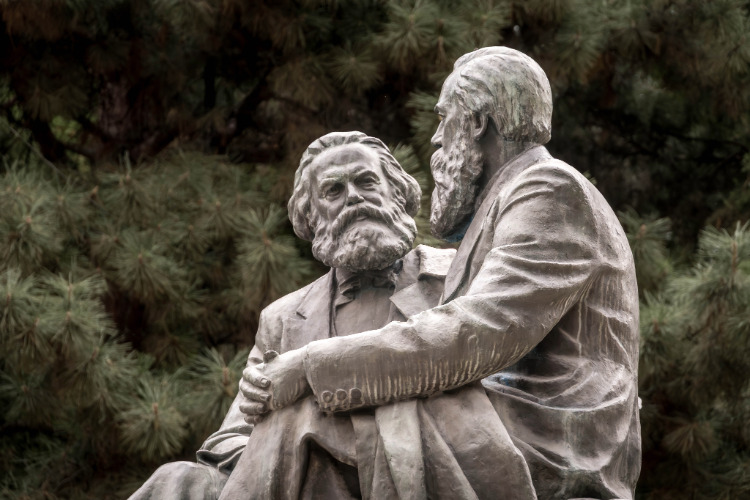
As Christianity fades from public life, Marxism or Communism offers a substitute faith built on oppression, liberation and political salvation — but at what cost?
14 October 2026
5.3 MINS
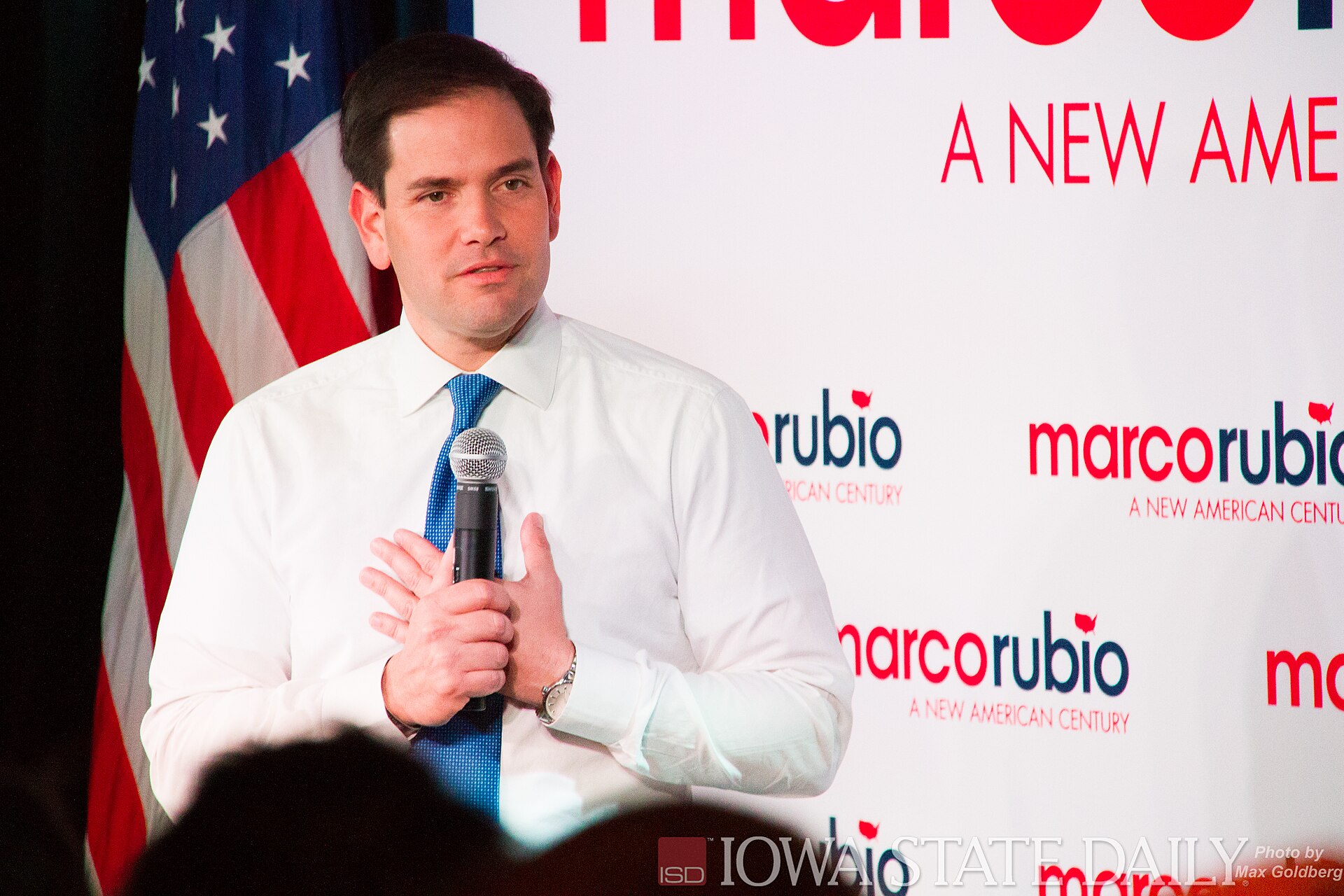
Marco Rubio’s Athens speech celebrates the Greek, Roman and Christian foundations of Western civilisation, warning that cultural self-loathing and radical ideologies threaten its future.

13 October 2026
5.5 MINS
Stephen Baldwin’s journey from drug addiction to sobriety, Christian faith and family life reveals how surrender, daily discipline and renewed hope transformed his life.
12 October 2026
3.1 MINS
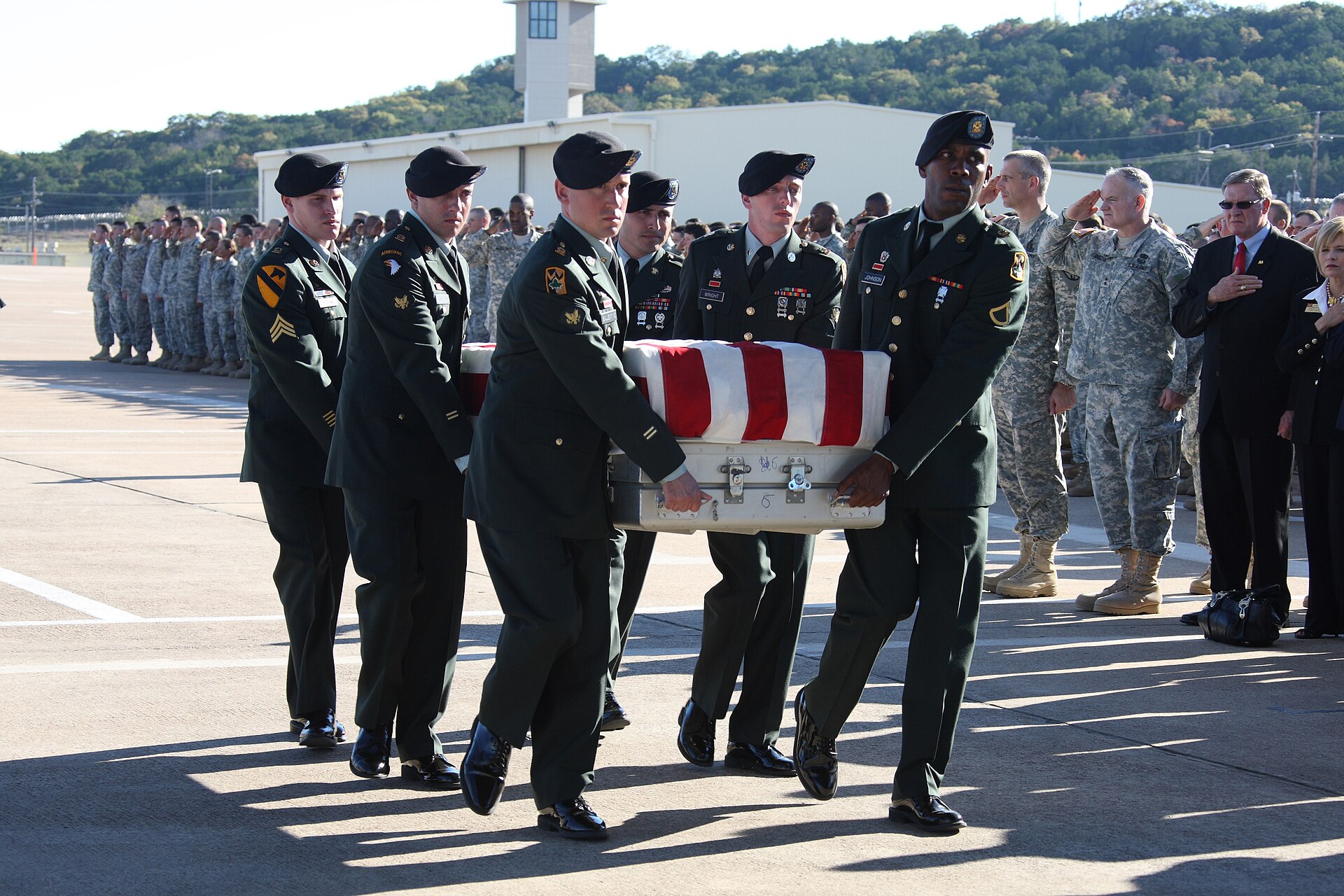
The proposed livestream of Nidal Hasan’s execution has reignited debate over justice, deterrence and public accountability, with critics comparing American justice to ISIS propaganda.
12 October 2026
3.7 MINS
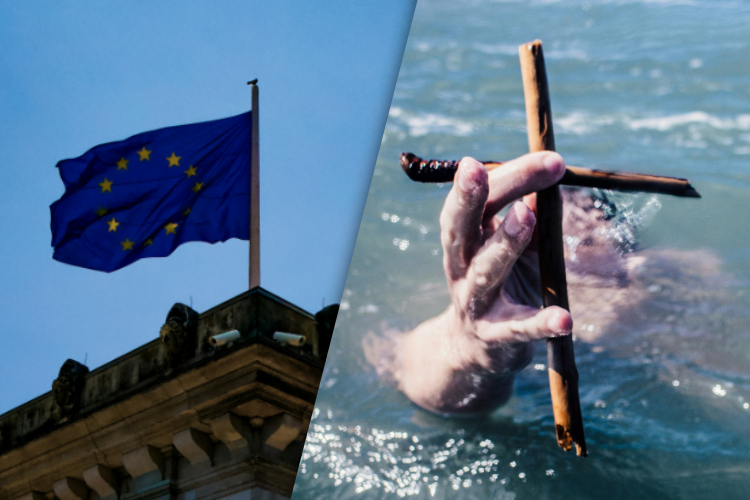
An EU court case over baptismal records could pit data protection laws against religious freedom, raising serious questions about whether governments can compel churches to erase sacramental history.
8 October 2026
4.1 MINS
Italy honours St Francis of Assisi 800 years after his death, celebrating a saint whose devotion to Christ, radical simplicity and message of peace continue to shape generations.
7 October 2026
1.5 MINS
Across the Middle East, North Africa and Anatolia, Christianity once shaped entire civilisations. Could Britain’s Christian heritage likewise become a memory rather than a reality?



Prayers that you are correct Jonathan. We need some positive possibilities right now.