


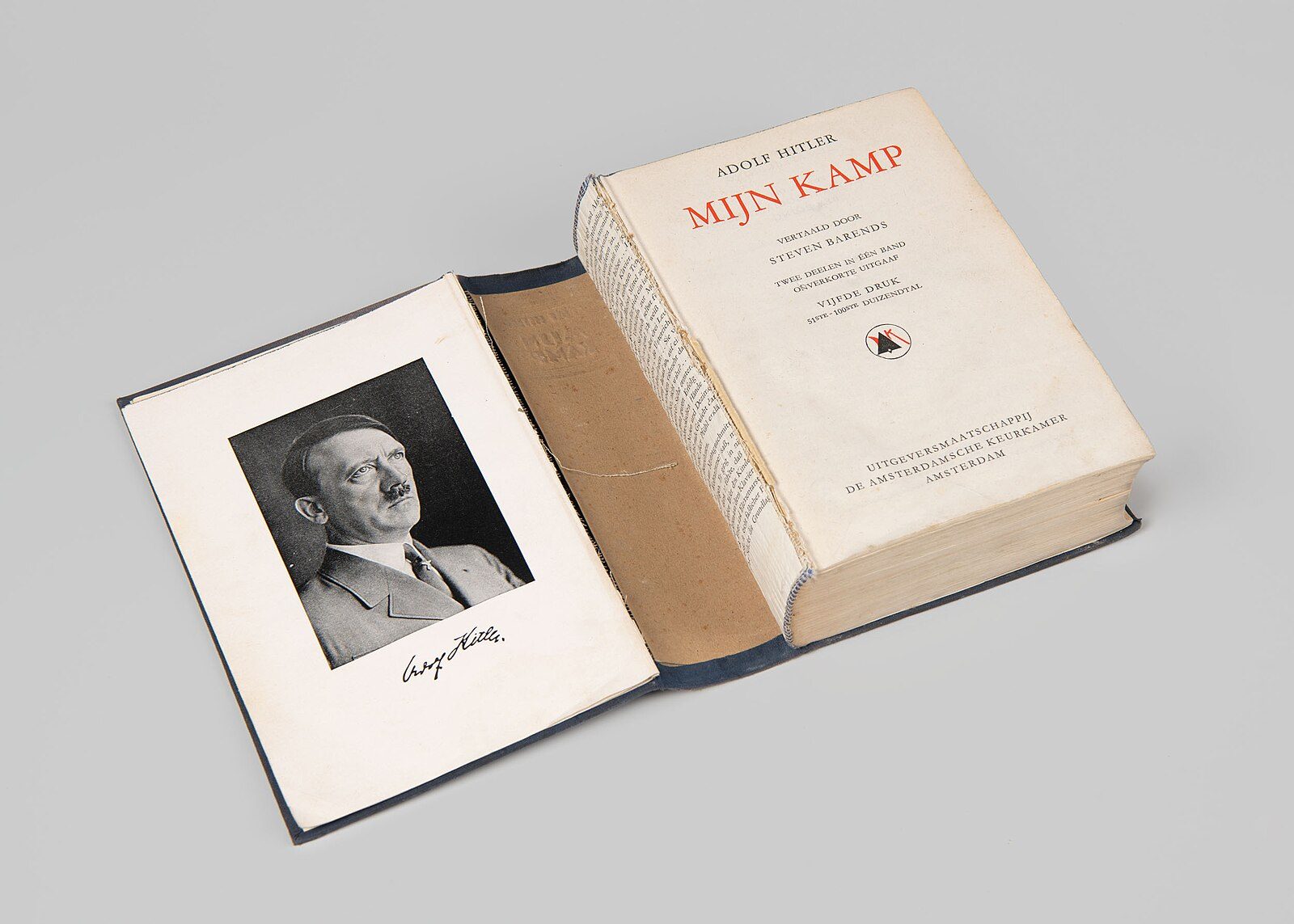
Arabic Mein Kampf in Gaza Homes: A Troubling Pattern
Since the onset of the ongoing conflict in Gaza, Israeli Defence Forces (IDF) troops have repeatedly uncovered Arabic translations of Adolf Hitler’s Mein Kampf during operations in Palestinian homes and structures used by Hamas.
These discoveries, documented through photographs and official reports, reveal a disturbing pattern that raises questions about the ideological influences shaping certain factions in the region. This article explores the recurring finds of Mein Kampf, their context within Hamas’s ideology, and the broader implications for understanding the conflict.
Documented Discoveries
The first widely publicised instance of Mein Kampf being found in Gaza came when Israeli President Isaac Herzog displayed an Arabic copy discovered by IDF soldiers in a child’s bedroom used as a Hamas operational base. The image of a book synonymous with antisemitic ideology in such a setting shocked many and underscored the troubling ideological undercurrents in the conflict.
Since then, additional reports have confirmed similar findings, including in the Nuseirat refugee camp, where IDF troops recovered more copies in homes and rooms linked to Hamas activities.
Recent photographs circulating from Gaza show an IDF soldier holding an Arabic edition of Mein Kampf recovered during a raid. These images, combined with earlier discoveries, indicate that the presence of the book is not an isolated incident but part of a broader pattern. The consistent recovery of Mein Kampf in spaces associated with Hamas suggests that the text may hold a place within the group’s ideological framework or among its supporters.
Hamas’s Ideology and Mein Kampf
The discovery of Mein Kampf in Gaza resonates with the explicitly antisemitic elements found in Hamas’s foundational texts. Article 7 of Hamas’s 1988 charter, for instance, cites a hadith that calls for the killing of Jews as a condition for the Day of Judgment, framing the group’s struggle in eliminationist terms.
The charter’s language promotes a worldview that dehumanises Jews and justifies violence against them, echoing the hateful rhetoric of Mein Kampf. While Hamas issued a revised charter in 2017 that softened some of its language, the organisation’s actions and statements continue to reflect a deep-seated hostility toward Israel and Jews.
The alignment between Hamas’s ideology and the themes of Mein Kampf provides a chilling context for the brutality witnessed during the October 7, 2023, attacks on Israel. The coordinated assault, which killed over 1,200 Israelis and took hundreds hostage, was marked by extreme violence and deliberate targeting of civilians. The presence of Mein Kampf in Hamas-controlled spaces suggests that Nazi-era antisemitic propaganda may serve as a source of inspiration or justification for such acts, amplifying the group’s extremist rhetoric.
Historical Context of Mein Kampf in the Region
The circulation of Mein Kampf in the Middle East is not a new phenomenon. During World War II, Nazi Germany actively promoted its propaganda in the region, forging alliances with figures like the Grand Mufti of Jerusalem, Haj Amin al-Husseini, who collaborated with the Nazis and disseminated antisemitic materials. Here is historic footage of Hitler meeting the Grand Mufti. Hitler confirmed that the “struggle against a Jewish homeland in Palestine” would be part of the struggle against the Jews. Hitler stated that: he would “continue the struggle until the complete destruction of Jewish-Communist European empire”; and when the German army was in proximity to the Arab world,
Arabic translations of Mein Kampf have been available in parts of the Middle East for decades, often finding a receptive audience among groups opposed to Israel’s existence. While the book’s presence in Gaza does not imply universal acceptance among Palestinians, its recurrence in Hamas-linked locations points to a selective embrace by extremist elements.
Implications for the Conflict
The repeated discovery of Mein Kampf in Gaza homes and Hamas bases carries significant implications. First, it highlights the role of ideological indoctrination in fuelling the conflict. The presence of such texts suggests that some individuals or groups are being exposed to, and possibly embracing, antisemitic ideologies that glorify violence. This raises concerns about the radicalisation of younger generations, particularly when books like Mein Kampf are found in spaces like a child’s bedroom.
Second, these findings complicate efforts to achieve a lasting resolution to the Israeli-Palestinian conflict. The entrenchment of hateful ideologies within certain factions undermines prospects for dialogue and reconciliation. Addressing this challenge requires not only military and political measures but also efforts to counter extremist narratives through education and deradicalisation programs.
Finally, the discoveries underscore the need for a nuanced understanding of the conflict. While Hamas does not represent all Palestinians, its influence in Gaza and its promotion of antisemitic ideas cannot be ignored. The international community, policymakers, and civil society must grapple with the implications of such ideologies while working toward a future that prioritises coexistence over hatred.
Chilling Conclusion
The recurring discovery of Arabic translations of Mein Kampf in Gaza homes and Hamas-used spaces is a stark reminder of the ideological forces at play in the Israeli-Palestinian conflict. These findings, coupled with Hamas’s own antisemitic rhetoric, provide critical context for understanding the brutality of attacks like those on October 7, 2023.
As the conflict continues, addressing the spread of hateful ideologies will be essential for breaking the cycle of violence and fostering a path toward peace. The international community must remain vigilant in condemning and countering such ideologies while supporting efforts to build a more inclusive and tolerant future.
___
Image courtesy of Wikimedia Commons.
One Comment
Leave A Comment
Recent Articles:
20 October 2026
7.7 MINS
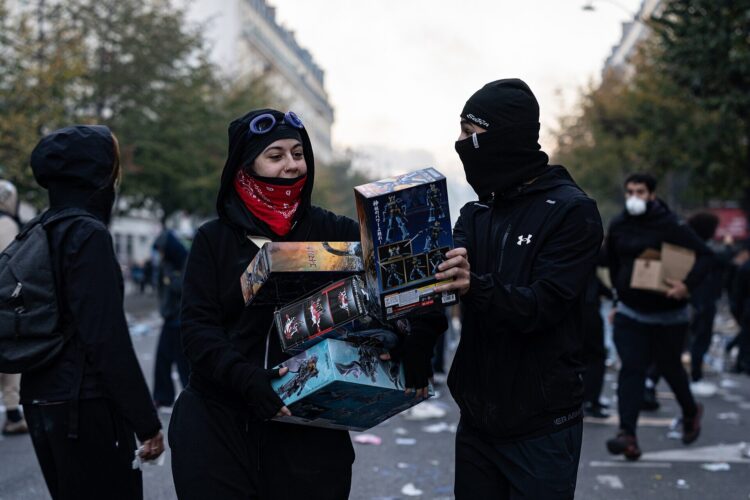
France and Europe are burning — is it too late to save them from the barbarians?
20 October 2026
4.6 MINS
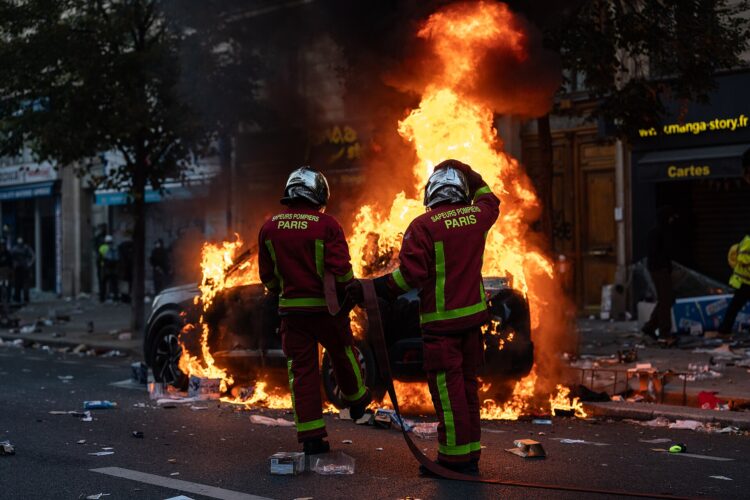
As rioters burn cars and historical buildings, celebrating the destruction of France’s inheritance, the West confronts an uncomfortable question: what happens when a civilisation loses the will to defend itself?
20 October 2026
4.9 MINS
A federal investigation has exposed how America’s biggest banks shut out conservative and Christian clients, relying on subjective reputation risks and controversial ideological watchdogs.
19 October 2026
6.7 MINS
Europe’s escalating unrest raises urgent questions about immigration, national identity, secularism and the decline of Christian influence, prompting calls for repentance, prayer and renewed leadership.

19 October 2026
7 MINS
Western Australia’s euthanasia deaths have surged, prompting calls for an urgent inquiry amid concerns about doctor shopping, waived safeguards, limited palliative care and proposed legal expansion.

19 October 2026
12.4 MINS
Greta Gerwig’s "Narnia: The Magician’s Nephew" trailer raises questions about C. S. Lewis’s Christian vision and the faithfulness of the new Netflix adaptation. Here are my initial impressions and concerns.

19 October 2026
2.7 MINS
The UK Greens’ vote to define Zionism as racism has exposed deep divisions within the party, raising questions about its future leadership and political direction.



My assessment is that any book written by Jew murderer Adolf Hitler is demonic in origin.