


Will Maduro’s Capture Signal the End of an Anti-Christian Regime?
Maduro’s capture shakes Latin America, exposing socialist repression, narco-terrorism, and systematic violations of religious freedom—while renewing hope that a free, faith-respecting Venezuela may finally emerge.
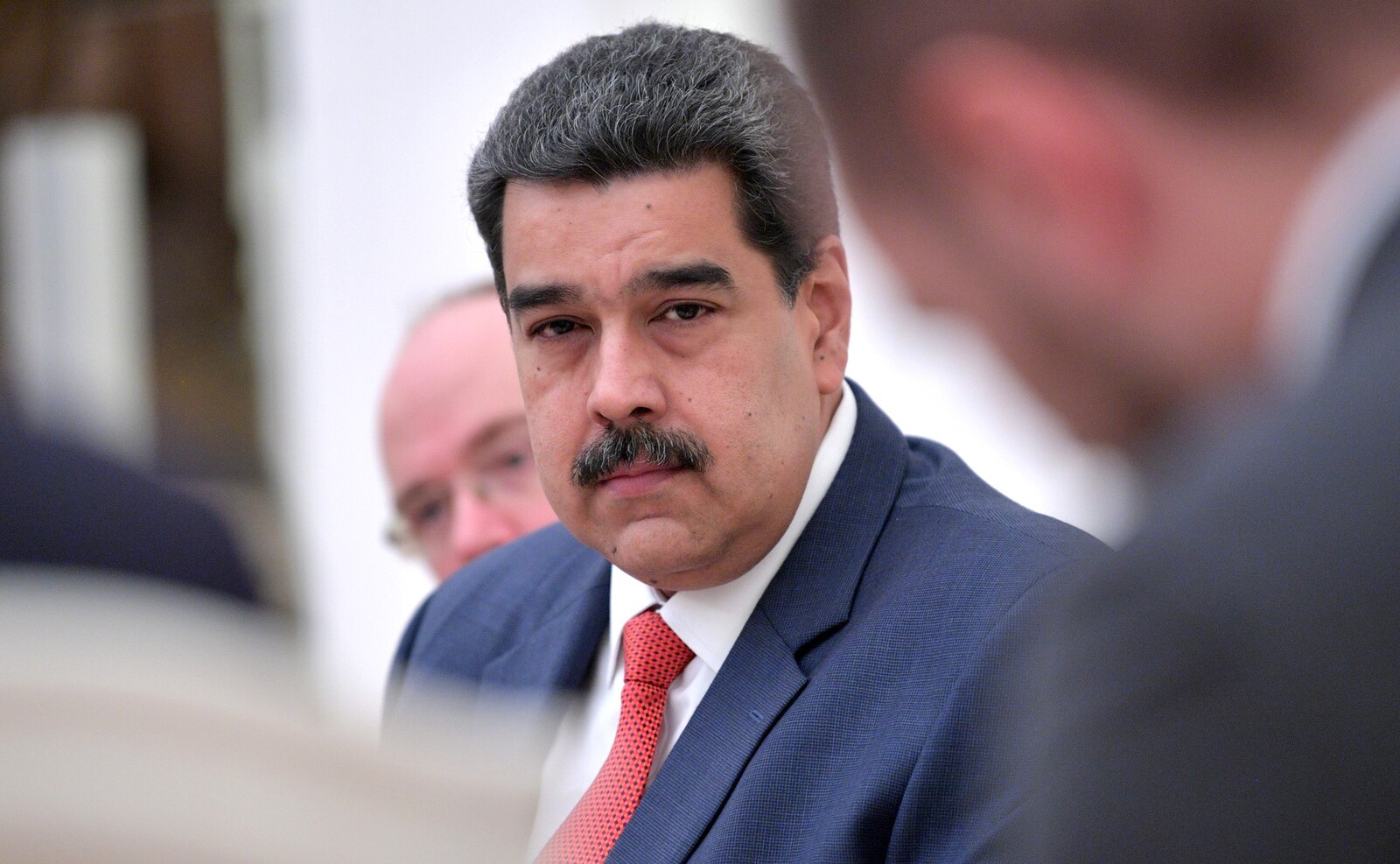
Nicolas Maduro, longtime dictator of Venezuela, has been captured by an incredible operation that bombed Fuerte Tiuna, the biggest military base in Caracas. The implications are still unknown, but the region has been shaken, for sure, as Venezuelans looked at the sky for Chinook, Black Hawk, and Little Bird helicopters.
In Cuba, the socialist regime concentrated in Havana will observe solidarity in support of the Chavista dictatorship. Now the frequent blackouts across the island will be more frequent. The jewel in Cuba’s iron crown has fallen.
Meanwhile, in Spain, the leftist politician Pablo Iglesias has embraced the pro-Maduro narrative: the United States is “bombarding Venezuela to steal its oil and impose a puppet government.”
The truth is that Venezuelan oil was being consumed by the barrel by the dictators of Iran, Russia, and Cuba. In the case of Cuba, it was even more outrageous, because while the Cuban people were suffering through prolonged power outages, the regime was reselling the crude oil in illicit operations.
Repressing Rehabilitation
These past few weeks, Venezuela has been in the news as a narco-terrorist state, but in addition to that, it has become a territory where anti-Christian socialism violates the religious freedom of millions of believers. And we, as Christians, cannot think of a better way to rebuild a free Venezuela than respecting religious freedom.
Some stories are terrible. In 2021, several men armed with sticks and knives occupied the Men of Valour Christian Restoration Centre in Mérida. They were members of the ferocious “colectivos” (copies of the Castroist Rapid Response Brigades) that function as paramilitaries in the service of dictator Nicolás Maduro and the United Socialist Party of Venezuela.
At the Centre, where Pastor Cristian Dugarte tries to reintegrate young former drug addicts into society, several people present were forced to chew pages of the Bible, beaten to the point of fracturing limbs and ribs, and felt the edge of knives cutting their skin in the shape of a cross.
Dugarte had previously received threats to stop his activities, as he had refused to provide information about the identity of the people receiving his help. Did the attackers fear that the pastor was stealing their drug customers? Or perhaps that someone would talk about the links between neighbourhood drug trafficking and Chavista officials?
A local source told the Latin American Observatory for Religious Freedom (OLIRE) about this 2021 event that the attack targeted elements of the faith that motivated this type of ministerial work; that the members of the “colectivo” and the regime did not allow leaders like Dugarte to challenge their power and work without their consent; and that rehabilitating drug addicts was an unwanted and therefore prohibited activity.
State Control
In a report, the organisation Outreach Aid to the Americas (OAA), which monitors human rights in the Caribbean basin, recalled that although dictator Hugo Chávez sought to approach evangelicals during his election campaign, he soon lost their support. Especially because of his national expropriation policies, the government’s infiltration of churches, support for Cuba, his diatribes against Israel, and Holocaust denial.
Years later, Maduro, his successor, seeing how the military and evangelicals had collaborated to overthrow his Bolivian ally Evo Morales and their influence in the elections of other countries, commissioned a survey that revealed that 30% of Venezuelans considered themselves evangelical, a figure higher than most estimates, according to OAA.
As a result, Maduro provided superficial initial support to these churches, including authorising the distribution of Bibles, but ultimately followed Chávez’s failed policies and lost almost all support.
During the COVID-19 pandemic years, Maduro restrained the ministerial work of many churches and Christian organisations regarding the receipt of humanitarian aid. He was perhaps seeking control of all those resources entering the country, and he would not share the monopoly of solidarity, in order to reinforce the image of the state as the provider of aid. In the process, he violated the religious freedom of those leaders and faithful who, because of their values, sought to lend a helping hand to those in need in the impoverished South American nation.
On 30 March 2021, the Ministry of Interior and Justice published a new “anti-terrorism” requirement: NGOs and other nonprofit organisations had to provide confidential information about activities, contributions, and names of beneficiaries, which in practice amounts to government surveillance, OAA recalled.
This ordeal has continued to this day. The United States Commission on International Religious Freedom (USCIRF) confirms this in its recent report, “The Repression of Religious Freedom in the Authoritarian Triad of Latin America: Cuba, Nicaragua, and Venezuela.”
Weaponised Laws and Bureaucracy
According to the document, although Chavismo has not intensified its persecution against religious groups to the level of Cuba or Nicaragua, it does engage in similar patterns of repression, such as persistent harassment of religious communities, threats and summonses, public attacks, arbitrary detentions, and surveillance of faith groups.
“In Venezuela, religious leaders who are not considered supporters of Maduro by intelligence services face intimidation, including threats from both anonymous sources and state agents,” USCIRF reported. In 2025, for example, the journalist for the Catholic radio station Fe y Alegría, Carlos José Correa Barros, was arrested by masked military personnel. He remained missing until his release nine days later.
The impact of the closing of civic space on religious organisations is clear under Chavismo, mainly with the emergence of laws that also affect freedom of religion.
Since 2024, the Law on the Supervision, Regulation, Operation, and Financing of Non-Governmental and Non-Profit Social Organisations has required NGOs to obtain government authorisation to operate, allowing the state to suspend those that promote “fascism” — that old political corpse, a cousin of socialism, which is trotted out from time to time in demonising diatribes.
As if he were a character from 1984, Maduro brandishes the application of the so-called Hate Law to punish Catholic priests critical of corruption.
Venezuela also follows in Cuba’s well-trodden footsteps in the systematic abuse of legal registration, maintaining, according to USCIRF, the requirement that religious groups register with the Directorate of Justice and Religion. Bureaucracy delays the registration process “for up to a decade for churches that do not demonstrate loyalty.”
The situation is no better in prisons. Chavista authorities frequently deny or prevent priests and pastors from entering detention centres. Caracas has learned from Havana over the years how to break not only bones but also spirits.
Let’s hope that a new Venezuela, with republican values, emerges after the Maduro capture. Maria Corina Machado, the opposition Venezuelan leader, said in a recent communication that she expects a moment for the “popular sovereignty prevails in Venezuela, the release of political prisoners and the return of exiles.” Many Christians are among them! Rejoice for the possibility of a free land in South America, and one less government oppressing our brothers and sisters.
___
Republished with thanks to The Washington Stand. Image courtesy of Wikimedia Commons.
2 Comments
Leave A Comment
Recent Articles:
27 October 2026
25.3 MINS
Labor’s Digital Duty of Care Bill threatens free speech, empowers covert online surveillance, and imposes potentially burdensome regulations on Australian businesses.
27 October 2026
10.3 MINS
As Tasmania and Western Australia consider conversion therapy bans, a former LGBT+ ministry leader warns of threats to religious freedom, personal choice and Christian discipleship.
27 October 2026
4.9 MINS
Nine Christians have been killed in a terrorist attack on a Jordanian church, prompting fierce condemnation, demands for justice and renewed concerns about religious persecution.
27 October 2026
3.6 MINS
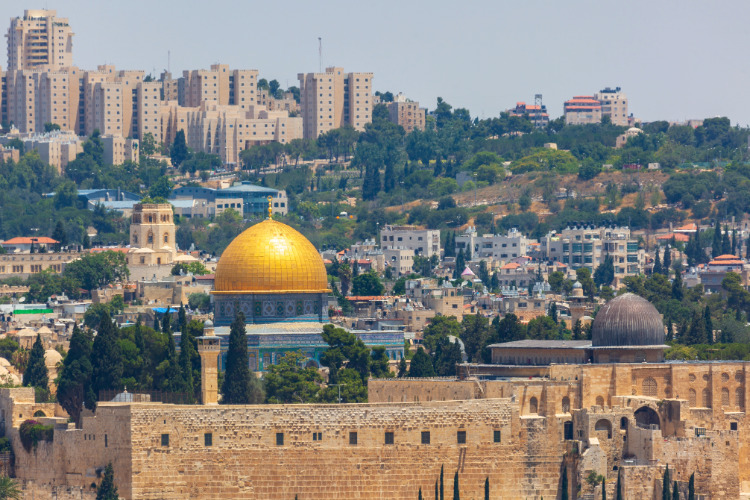
For 25 years, the Mount Moriah Trust has supported struggling Christians across the Holy Land, bringing practical assistance, encouragement and hope to believers facing hardship and persecution.
27 October 2026
1.3 MINS
Moira Deeming’s re-election campaign has energised Family First supporters, raising $90,000 as the party prepares for a crucial Victorian election and a potential breakthrough.
27 October 2026
3.1 MINS
As the disciples discovered through a huge haul of fish, we can trust Jesus for a net-breaking, boat-sinking catch of people.
26 October 2026
4.5 MINS
OECD chief Mathias Cormann warns Australia is losing its competitive edge, as excessive regulation, housing pressures, immigration challenges and declining public trust threaten national prosperity.



I think the crux of this engagement is, as quoted above, “The truth is that Venezuelan oil was being consumed by the barrel by the dictators of Iran, Russia, and Cuba”.
The fact that Maria Corina Machado, the opposition Venezuelan leader, said “that she expects a moment for the “popular sovereignty prevails in Venezuela, the release of political prisoners and the return of exiles.” Many Christians are among them!” is a great bonus.
Maduro is not a victim whose country’s oil is being stolen by the USA, nor a hero as the Western Media (and Australia’s) portray, but, a ruthless dictator:- an enemy of his own people and of Christianity. He is a friend of Cuba, Russia and Iran. May he get his just deserts , and, may those innocent prisoners, who have been tortured, soon be freed !