


U.S. Applies Sanctions, Bolsters Military Presence as Iran Killings Escalate
Reports of mass killings in Iran coincide with rising U.S. military pressure and sanctions, as experts warn the death toll is unclear, but the regime’s brutal crackdown is undeniable.
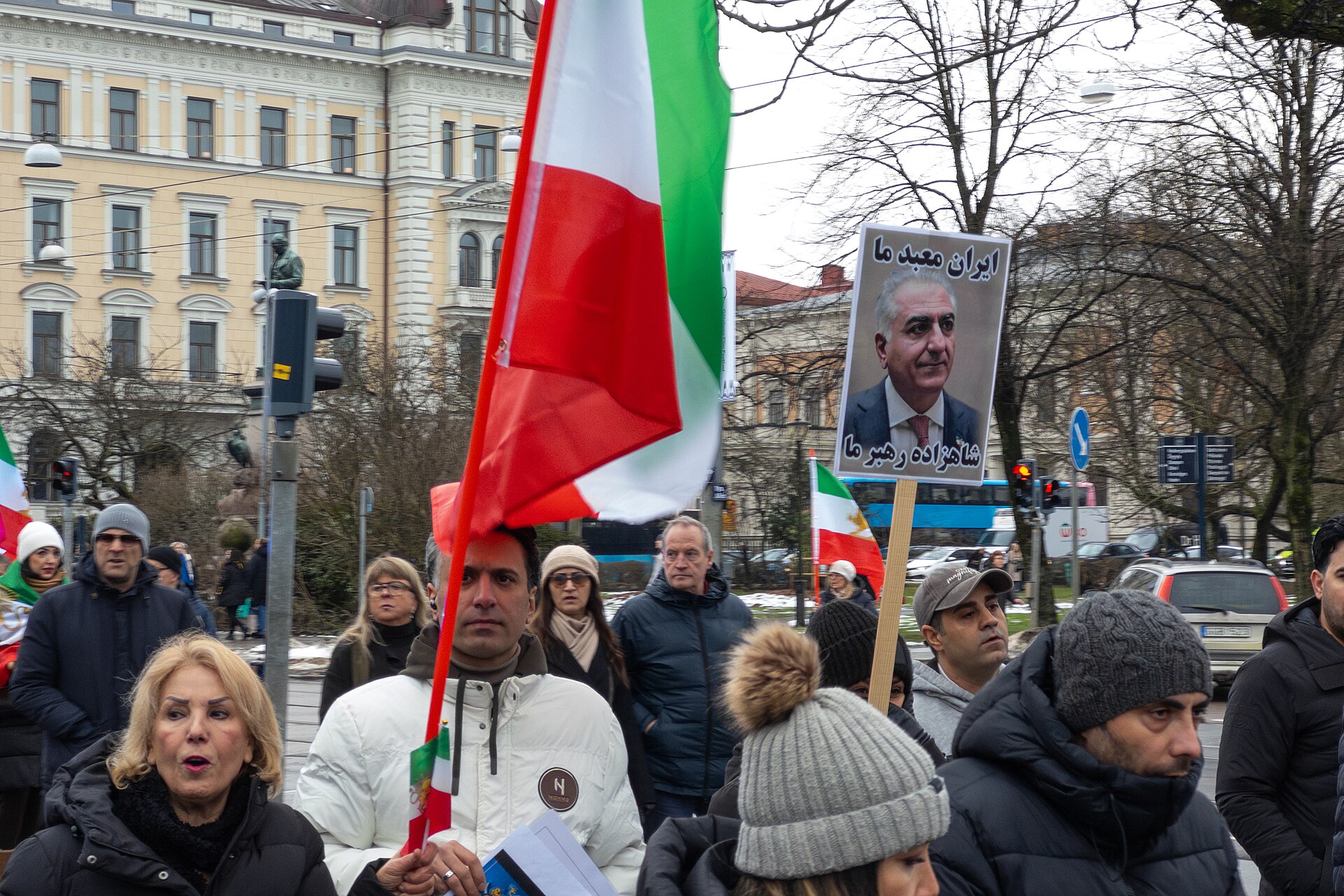
Reports surfaced Sunday that the Iranian regime’s security forces may have killed or executed as many as 40,000 protestors on January 8 and 9 alone. The reports came amid intensified sanctions imposed by the U.S. on the regime’s illicit oil-transporting “shadow fleet,” as well as an approaching American aircraft carrier strike group headed toward the Persian Gulf.
The Washington Times reported that global human rights groups are estimating that as many as 40,000 Iranian citizens perished at the hands of the Ayatollah’s regime on January 8 and 9, but precise figures are extremely difficult to confirm amid an internet blackout in the country.
The protests began in late December as a result of an economic crisis in the strictly controlled Islamist theocratic republic, when 40% inflation caused soaring prices for food and other basic goods. A movement of striking shopkeepers soon turned into widespread anti-government protests that galvanised the nation across all 31 provinces.
But after the government shut down the country’s internet and began a lethal crackdown on protestors, the future of the movement has become uncertain.
In stepped the Trump administration, with the president urging on the protestors in a January 13 Truth Social to “KEEP PROTESTING” and to “TAKE OVER YOUR INSTITUTIONS!!!” He went on to promise that the regime’s killers would “pay a big price” and that “HELP IS ON ITS WAY.”
Two days later, the regime reportedly postponed executions due to an apparent “imminent” U.S. attack that did not materialise, perhaps in part due to the fact that American military assets had not yet arrived in the region.
U.S. Military Buildup Signals Deterrence, Not War
Now, a significant U.S. military force is approaching the Persian Gulf. A senior U.S. official told Fox News Monday that the USS Abraham Lincoln aircraft carrier “has entered CENTCOM waters in the Indian Ocean amid increasing threats from Iran.” In addition, an F-15 fighter jet squadron and C-17 aircraft carrying heavy equipment have also deployed to the region.
However, it is far from clear that the U.S. assets are there for immediate offence. “U.S. officials say Washington is reinforcing its military posture in response to growing instability inside Iran, boosting its presence by air, land and sea, while closely monitoring developments in Syria,” Fox reported.
Meanwhile, the Trump administration is simultaneously cracking down on the Islamist regime with new economic sanctions. On Friday, the Treasury Department announced that the country’s “shadow fleet” that transports illegal oil from Venezuela would be sanctioned, including “nine ships, as well as their owners and management firms.” The actions followed additional sanctions that were levied against Iranian security officials the previous week, who the administration says were responsible for the lethal crackdown on civilian protestors.
Experts like Lt. Col. (Ret.) Bob Maginnis, who serves as Family Research Council’s senior fellow for National Security, say that the 40,000 figure for the number of Iranian civilians killed is almost impossible to verify, but serious concerns remain.
“That figure, while widely circulated, remains disputed,” he told The Washington Stand.
“Independent verification is extraordinarily difficult given Iran’s near-total information blackout, mass arrests, intimidation of hospitals and families, and the regime’s long record of manipulating casualty data.
What can be stated with confidence is narrower but still damning: numerous credible human rights organisations, journalists, and governments confirm a sweeping and violent crackdown, involving thousands of deaths, mass detentions, and systematic repression.
The precise number matters for history and accountability, but the moral gravity of the regime’s actions does not hinge on a single statistic.”
Maginnis continued,
“What is no longer in dispute is that the Iranian leadership has chosen escalation over restraint. Despite growing international condemnation and new U.S. sanctions, there is no indication the ruling clerics are backing down.
The movement of a U.S. carrier strike group toward the Persian Gulf underscores that the crisis has entered a more dangerous phase — not because Washington seeks war, but because it must protect its forces, reassure allies, and deter Tehran from widening the violence beyond Iran’s borders. The deployment signals concern, not inevitability; deterrence, not a decision for combat.”
Sanctions and Strategy: Pressure Without Invasion
Maginnis further argued that at this stage in the Iranian crisis, the U.S. should refrain from direct military intervention but should continue targeted actions on other fronts.
“The United States — and by extension the broader international community — has a clear and shared interest: the killing must stop,” he made clear.
“That objective, however, collides with the limits of military power. Large-scale U.S. strikes would risk allowing the regime to reframe a domestic legitimacy crisis as foreign aggression, potentially fracturing the protest movement and rallying nationalist sentiment around the very authorities now under challenge.
At this stage, the most effective pressure remains targeted sanctions against regime enforcers, diplomatic isolation, exposure of perpetrators, and efforts to restore information access so Iranians can organise and document abuses without the regime controlling the narrative.”
“President Donald Trump has called for a leadership change, but pointedly without suggesting it is America’s responsibility to impose it,” Maginnis observed.
“That distinction matters. The administration’s posture reflects an understanding that sustainable change in Iran must come from within, not from U.S. bombs or occupation.
Washington’s role, therefore, is not to own Iran’s future, but to raise the cost of repression, deny the regime impunity, defend U.S. interests, and preserve space for the Iranian people to decide their own fate — while keeping credible force in reserve should Tehran choose to export its violence or cross clearly defined red lines.”
___
Republished with thanks to The Washington Stand. Image courtesy of Wikimedia Commons.
One Comment
Leave A Comment
Recent Articles:
23 October 2026
13.1 MINS
Tasmania’s proposed conversion practices legislation raises serious questions about religious freedom, pastoral care and whether Christians can freely pray with those seeking to live according to their faith.

23 October 2026
7.7 MINS
Melbourne Catholic Archbishop Peter Comensoli has spoken out clearly against the deadly promises by both major parties in Victoria ahead of the election, drawing a comparison between abortion and capital punishment.
23 October 2026
3.1 MINS
As Western societies grow more hostile, could abandoning Christianity’s moral foundations be contributing to the rise of ideological extremism, political intolerance and violence?
23 October 2026
5.1 MINS
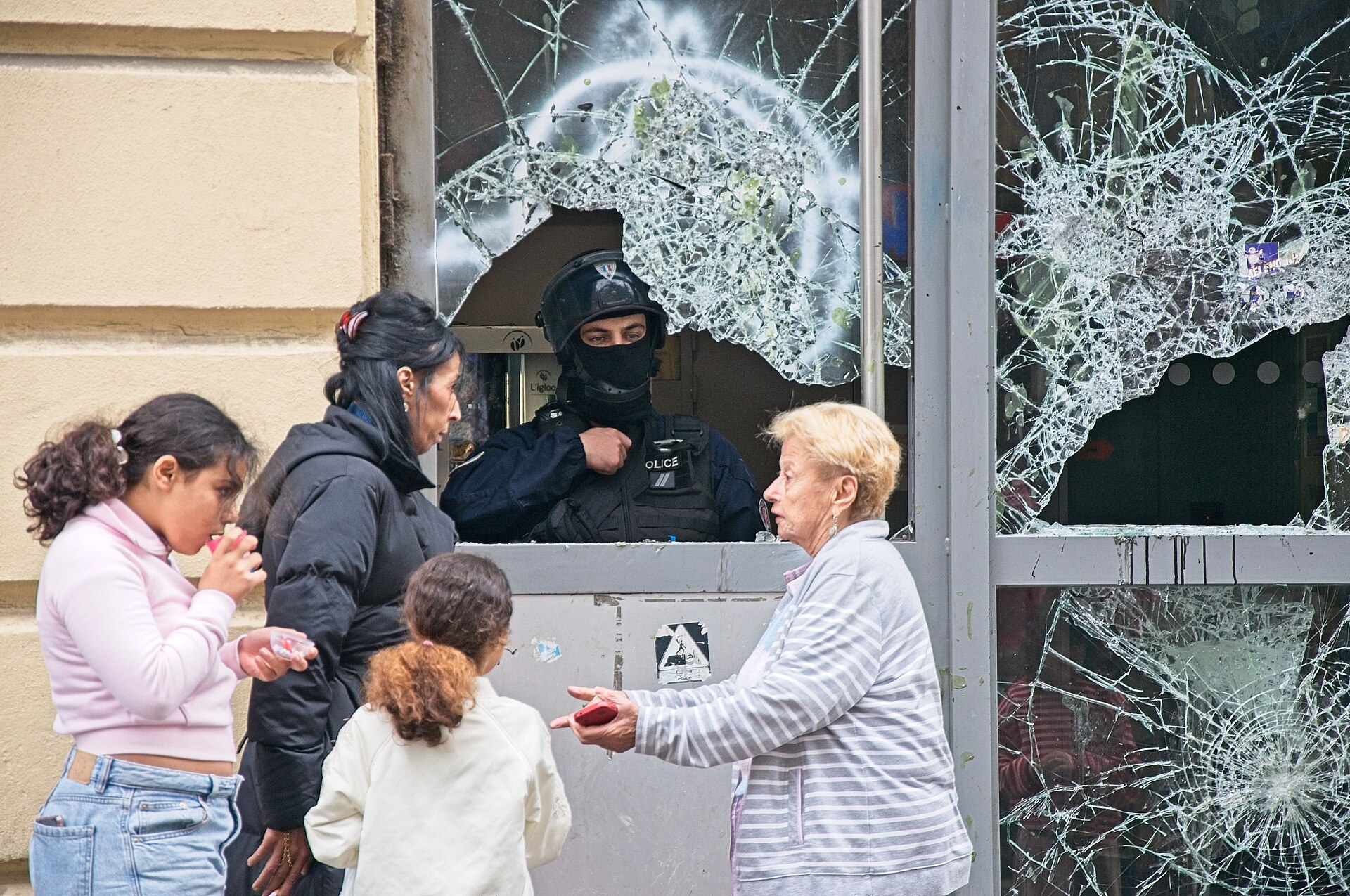
France’s escalating riots expose the dangers of political extremism, antisemitism and radical alliances, offering America a stark warning about the future of Western democracy.

22 October 2026
2.9 MINS
Victoria Labor’s promise to fund free abortions has drawn a forceful response from Presbyterian leaders, raising profound questions about unborn life, government priorities and Australia’s moral direction.

22 October 2026
4.7 MINS
Western Australia’s proposed anti-discrimination overhaul has sparked warnings from Christian leaders that religious freedom, parental choice and faith-based schools’ ability to uphold their beliefs are at risk.

22 October 2026
5 MINS
Queensland’s newly released abortion statistics reveal the scale of the state’s abortion toll, prompting renewed calls for political accountability, protection of unborn life and an end to parliamentary silence.



Thanks for the update Dan on this horror in Iran.