


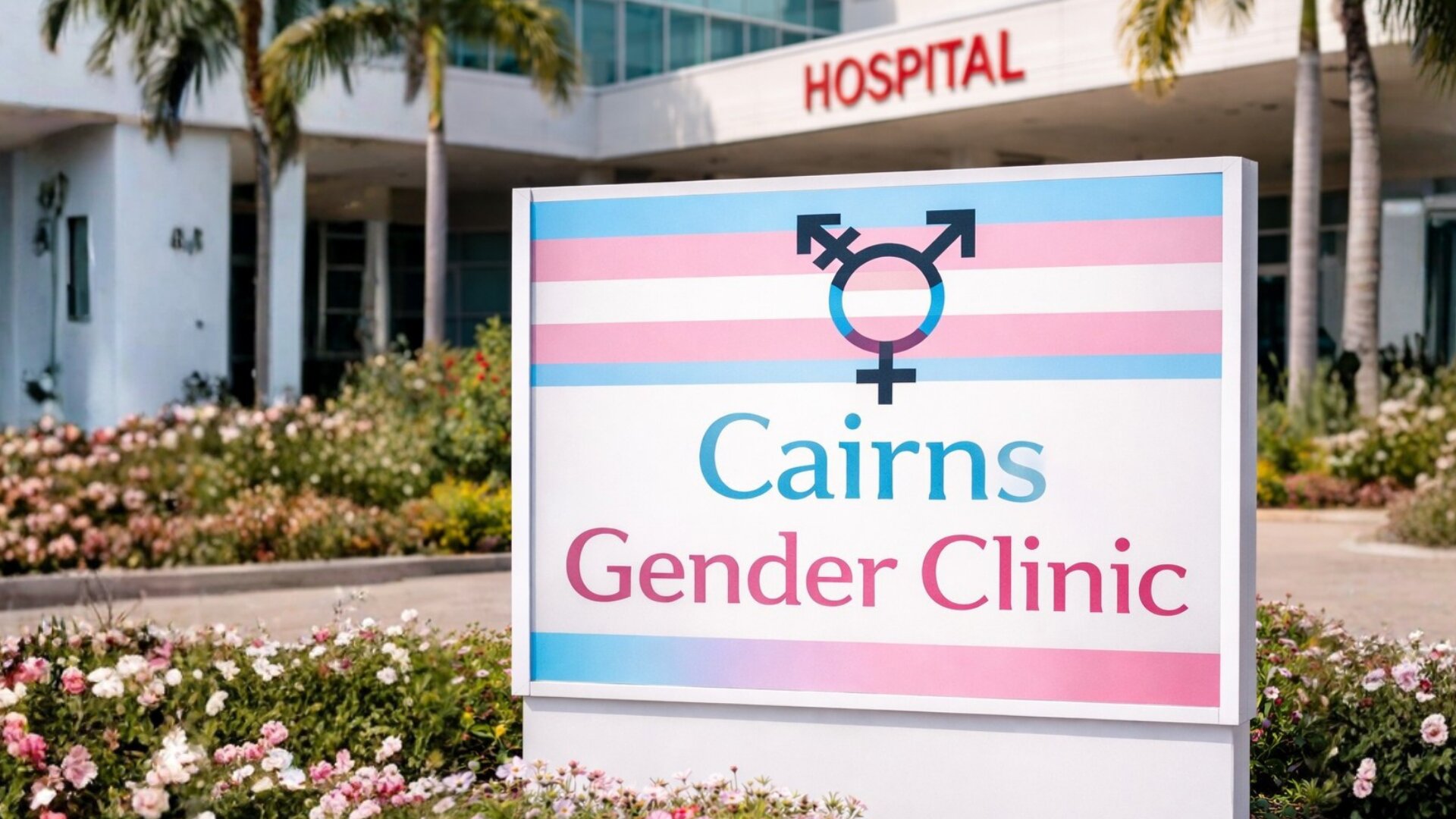
Scathing Review of Cairns Gender Clinic
A Queensland Health review of Cairns Hospital’s paediatric gender clinic raises serious concerns about safeguards, oversight, and the treatment of vulnerable children in Australia.
A newly released review of the Cairns Hospital paediatric gender service has raised serious concerns about the treatment of vulnerable children and the clinical culture surrounding youth gender medicine in Australia.
The Queensland Health investigation identified a “negative patient safety culture”, with troubling shortcomings in assessment practices, oversight, and clinical governance at the paediatric gender clinic at Cairns and Hinterland Hospital. The review found incident reporting and risk management processes were inconsistent or absent.
In some cases, young patients with developmental delays were on medication despite not understanding the treatment they were receiving. Among the most concerning findings were reports that children as young as 12 were prescribed puberty blockers without adequate multidisciplinary assessment or robust psychological evaluation.
While some defenders of gender medicine may seek to characterise Cairns as an isolated or poorly managed service, the broader significance of the report should not be overlooked. The findings add to a growing body of international and domestic evidence calling for greater caution, stronger safeguards, and more rigorous clinical standards when dealing with children experiencing gender distress.
Global Reassessment of Youth Gender Medicine
Across the Western world, medical authorities and courts are increasingly scrutinising the “affirmation-first” model. Reviews in the United Kingdom, Scandinavia, and parts of the United States have already led to tighter restrictions on puberty blockers and cross-sex interventions for minors. The Cairns report now places Australia squarely within that global reassessment.
The developments are particularly striking given the treatment of clinicians who have urged caution. For years, Queensland child psychiatrist Dr Jillian Spencer has advocated for a careful, holistic approach to children presenting with gender distress. Rather than being welcomed as part of a legitimate clinical debate, she has faced disciplinary action and professional pressure.
The Cairns findings underscore why open medical discussion is so important. When complex and evolving areas of medicine become insulated from scrutiny, the risk of harm increases – especially where children and irreversible interventions are involved.
Calls for Open Debate and Stronger Safeguards
This is not merely a question of process at a single clinic. It raises deeper issues about whether clinicians feel free to exercise independent professional judgment, whether parents are receiving balanced information, and whether Australia’s regulatory environment allows genuine debate about the best interests of vulnerable young people.
At HRLA, we continue to support professionals who speak carefully and conscientiously in contested areas of practice. Protecting freedom of conscience and evidence-based care is essential to maintaining trust in the medical system and safeguarding children’s wellbeing.
The Cairns review should prompt serious reflection across Australia’s health sector. Robust safeguards, transparent oversight, and open clinical debate are not obstacles to good medicine – they are its foundation.
___
Republished with thanks to HRLA.
One Comment
Leave A Comment
Recent Articles:

26 November 2026
2.9 MINS
Major Christian organisations and hundreds of Australian leaders have united to condemn antisemitism, support Jewish Australians and pledge practical action through a landmark national declaration.

26 November 2026
3.7 MINS
The Trump administration has launched a dedicated clinic for vaccine injury patients, promising better medical care, expanded research and stronger protections for doctors reporting suspected injuries.

26 November 2026
2.3 MINS
The expansion of marriage beyond traditional boundaries raises important questions about love, lust and moral responsibility, as new forms of multi-partner relationships gain legal recognition.

26 November 2026
4 MINS
Drawing on centuries of Habsburg family history, Eduard Habsburg presents a Christian vision of marriage, parenthood and prayer as foundations for lasting happiness.

25 November 2026
4.4 MINS
Victoria votes this Saturday. We vote for candidates, not parties, but I want every Christian voter to know that one party in particular is a predictably good place to find safe pro-life candidates.

25 November 2026
3 MINS
The bill passed its first upper house vote on 19 November. Victoria’s equivalent law captures prayer ministry and carries penalties of up to 10 years in jail.

25 November 2026
2.7 MINS
Family First explains its preference strategy for Victoria’s election, outlining the pro-life principles, tactical decisions and key voting recommendations behind its how-to-vote cards.




Well said John.
The Cairns review should prompt serious reflection across Australia’s health sector.
If only people followed Jesus teaching “Whatever you want men to do to you, do also to them” we wouldn’t have this problem.