



What the Phub‽
Smartphone. Now, there’s an oxymoron. According to Textline, the first ‘smartphone’ was IBM’s Simon Personal Communicator, which hit the market in 1994. It had a touchscreen, and in addition to making phone calls, it could also receive faxes and emails. IBM Simon also introduced the first phone apps, such as an address book, calendar, calculator, appointment scheduler, and notepad.
The IBM Simon Personal Communicator cost US $1,099 and sold 50,000 units in the first six months. In 1997, the term ‘smartphone’ was invented by Swedish telecommunications giant Ericsson with the introduction of their mobile device GS88. Props to Ericsson for coining ‘smartphone’ – it’s a much better name than ‘Simon Personal Communicator’. Marketing, eh?
Interestingly, again according to Textline, the first mobile game was Snake. It was on Nokia’s 6110 hand-held mobile phone (pretty sure my Dad had one of those) and was developed by a Finnish gentleman by the name of Taneli Armanto. This launched the mobile gaming industry, which is now worth up to US $152 billion.
Fast-forward to 2007 and Apple CEO Steve Jobs announced the world’s first iPhone at the Macworld convention. Jobs called the original iPhone a ‘revolutionary and magical product.’ Prescient words indeed. The first model had a touch screen, GPS, camera, iPod, and internet access. Its software capabilities were a turning point for the smartphone industry. Its first year on the market, Apple sold more than 1.4 million iPhones, and the rest, as they say, is history. Today, there are an estimated 17.72 billion mobile devices in the world!
As Simon Sinek powerfully illustrates, if we’re not careful, mobile (cell) phones can very easily constantly demand our attention. Even before so-called smartphones were a thing, for over 150 years, if the phone rang, we answered it. That’s one of the reasons we had operators, then answering machines and voicemail.
Pay Attention
Many years ago, I had to learn the art of listening. I was back home after a long day at work, doing more work replying to an ‘urgent’ client email on my phone. One of my beautiful young daughters was trying to tell me something really important about her day. I thought I was listening, but thankfully, my wife Jodi could see I wasn’t really listening.
Afterwards, Jodi gently stopped me: ‘You weren’t really listening then, were you?’ ‘Of course I was!’ I retorted, slightly offended, mainly because deep down, I knew she was telling the truth. My wife’s really good at that. ‘Well,’ she continued, ‘I could tell you weren’t really listening, and she could too. You need to stop what you’re doing and engage!’
I had to learn to actively listen. For me, this meant stopping what I was doing, no matter how ‘urgent’ or ‘important’ it was, looking deep into my darling daughter’s eyes, while also observing her body language, listening intently to her tone and the words she was saying, and showing through my body language that I was hearing the message she was communicating to me, her Dad, one of the most important people in her life.
Some call this active listening, and it’s something I’m continually working on.
Phones, and screens in general, are kryptonite when it comes to active listening and being fully engaged with our families. For better or worse, they’re part of modern life, but every family needs to find ways to manage these pesky attention-stealers. My wife and I try to limit our phone use outside of work hours. We both rarely use social media, and we have a strict ‘no phones at the table’ rule, which has meant our family meals are (mostly) wonderful times of sharing and caring for each other.
Until recently, I hadn’t heard the term ‘Phubbing.’ It’s a contraction of the words “phone snubbing,” and it’s the act of ignoring a companion in favour of using a smartphone. Completely rude, when you think about it. One need only visit a café or restaurant to see phubbing in action, and thankfully, a team from Australian College of Applied Professions is doing some research into this relatively new yet prevalent phenomenon.
If you need some encouragement or inspiration to overcome excessive phone use, there’s plenty of great content available. Try here, here or here for some good ideas from various YouTube creators. Just maybe don’t watch on your phone…
Lovework
Work on being present and living in the moment as much as you can for your family and friends. Believe me, I know it’s difficult to do in our fast-paced 21st-century lifestyles, but by all means, do your best. You’ll feel better, and your family and friends will thank you for it.
Yours for being present,
Nathaniel Marsh
___
Originally published by Dads4Kids. Photo by Pavel Danilyuk.
Recent Articles:
16 October 2026
4 MINS
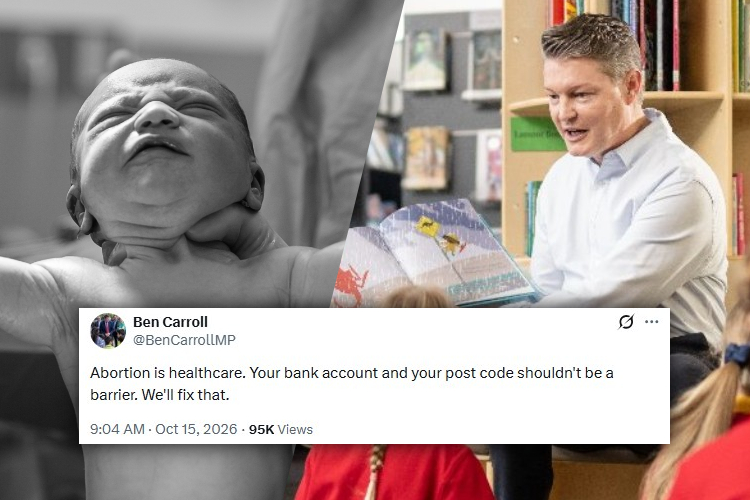
A desperate Victorian Labor Party is peddling taxpayer-funded abortions as free “healthcare”. In a shameless attempt to stay in power, they're willing to do anything — including killing the unborn and forcing taxpayers to pay for it.
16 October 2026
3.4 MINS
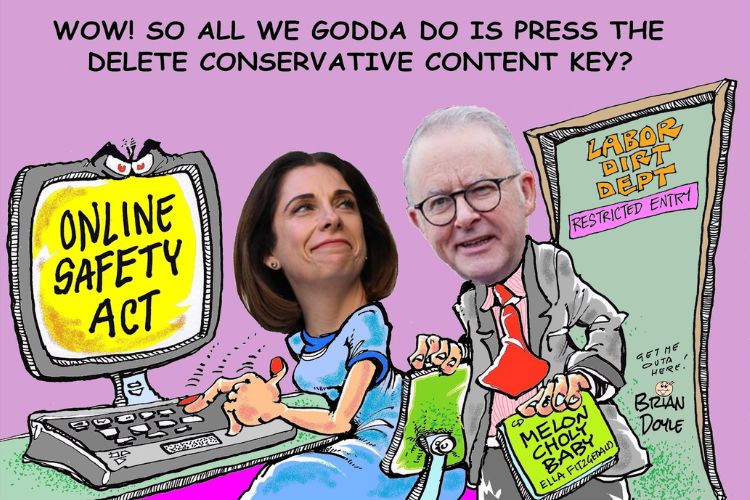
Australia’s proposed digital duty of care laws promise greater online safety and increased user control by switching off algorithms, but critics warn they could give ministers sweeping powers to restrict lawful content and threaten free speech.

14 October 2026
6.7 MINS
A national poll challenges claims that pro-life Australians are extremists, revealing broad support for abortion restrictions, protections for unborn babies and safeguards for vulnerable women.

14 October 2026
2.1 MINS
The first reported case of euthanasia under the Netherlands’ expanded rules for children under 12 has reignited ethical concerns about disability, suffering and the protection of vulnerable lives.

13 October 2026
2.6 MINS
Allegra Spender’s proposed bill reignites debate over discrimination protections, religious freedom and the right of faith-based schools to uphold their beliefs and values.

13 October 2026
3.9 MINS
Tasmania’s proposed conversion practices law raises serious concerns for churches, parents and faith-based schools, with broad definitions, severe penalties and uncertain protections for religious freedom.

12 October 2026
3.2 MINS
Your support has helped us change the world for the better, as Dads4Kids has poured our heart, soul and finance into the global promotion and celebration of International Men’s Day.


