



Religious Exemptions to NSW Conversion Therapy Ban: A ‘Sincere’ Attempt to Balance Rights
Ministries like Courage, which helps Catholics experiencing same-sex attraction to live in accordance with the church’s teaching, will be protected under ‘fit-for-purpose’ exemptions.
Faith leaders welcomed exceptions for religious faith and practice in the New South Wales Government’s proposed conversion practices ban, but warned that the laws may still negatively affect the faith community.
Prayer, homilies, advice and religious teachings about sexuality would not be penalised under the laws, said NSW Attorney General Michael Daley, introducing the bill into parliament on 13 March.
The bill seeks to ban practices such as electric shock therapy, physical violence and talking therapies aimed at changing or suppressing a person’s sexual orientation or gender identity, while making provisions for the expression and practice of religious belief and teachings.
Also exempted are health practitioner services which are “clinically appropriate” and may include advice about the risks and impacts of gender transition treatments.
Meanwhile, debate on Independent Sydney MP Alex Greenwich’s “Equality Bill”, which had already been postponed until 14 March, was postponed a second time to 16 August, and the bill referred to a committee inquiry.
Faith leaders have had similar religious freedom concerns about that bill.
Reflecting concerns over the long-foreshadowed conversion therapy ban bill, Daley gave examples of the bill’s three exclusions from the definition of ‘conversion practice’, which are aimed at protecting religious expression and practices.
They included “challenging discussions” initiated by parents about sexual orientation, peer support groups where people discuss living according to their religious beliefs or principles, and expressing an opinion that a certain religious belief should be followed.
“General rules for religious office, such as priestly celibacy, and for schools, such as the wearing of uniforms, would also not be captured by the proposed laws,” he said.
These examples were “not exhaustive” and reflected a “carefully balanced” approach taking into account feedback from victims, religious organisations, LGBT advocacy groups, parents’ rights groups and health, government and other stakeholders, he said.
Religious Beliefs Respected
“Everyone can support laws that genuinely aim to prohibit coercive actions that violate the dignity of the human person,” said the Archbishop of Sydney Anthony Fisher OP.
“Unfortunately, bans on so-called conversion practices can sometimes have the effect — intended or unintended — of outlawing religious teaching, prayer and practice or preventing people from seeking and obtaining the help they desire to live in accordance with their beliefs.”
Monica Doumit, Director of Public Affairs and Engagement for the Archdiocese of Sydney, said religious exemptions in the bill were a qualified victory for common sense.
“While this bill has not addressed all concerns put forward by faith communities, it is a sincere attempt by the Minns government to balance the interests and concerns of many parties and to meet the commitments to protect prayer and preaching made prior to last year’s election,” Doumit said.
“I am heartened that ministries such as Courage seem to have received some protection from the grasp of this law, with the Attorney-General confirming that peer support groups that assist people living in accordance with religious beliefs or principles are not ‘conversion practices.’
“This is obviously just common sense, but common sense has not always prevailed in other jurisdictions that have passed these laws.
“The test for the bill, if passed, will be whether it is wide enough to be used by activists who seek to suppress Christian teaching on sexual morality, rather than used in good faith to prevent actual harm.”
Freedom for Faith executive officer Mike Southon welcomed the bill as a “genuine attempt” by the government to keep its promises to faith communities, but called for more clarity about what is meant by a suppression practice.
“Due to the breadth and uncertainty around what is a suppression practice, it remains unclear exactly what conduct would be in the scope of the bill,” Southon said in a statement.
“In other jurisdictions, simply encouraging a person to remain celibate outside of heterosexual marriage is considered ‘suppression’. This uncertainty risks breeding fear in faith communities as to what is allowed.”
The Conversion Practices Ban Bill would outlaw a “practice, treatment or sustained effort” which is directed at changing or suppressing a person’s sexual orientation or gender identity.
It must be proven to have caused mental or physical harm that endangers life or is otherwise “substantial” to incur a penalty of up to five years in prison.
Attorney-General: Government has Heard Religious Groups
Daly said the draft legislation is “fit-for-purpose” and not modelled on similar laws in other jurisdictions.
“The government recognised from the outset that this is complex and delicate law reform,” he said.
“It is important to balance prohibiting these harmful and objectionable practices while also respecting civil liberties such as the freedom of expression and the freedom of religious belief.”
Daley said the government had “heard clearly” that expression of religious beliefs included applying these to one’s life, including in sermons and conversations.
“For instance, explaining that a religious texts states homosexuality is a sin would not be a conversion practice,” he explained.
“Private prayer, including personal prayer and reflection will not be a conversion practice.
“Ahead of the consultation in New South Wales Government was clear that neither taking offence at the teachings of a religious leader nor expressing a religious belief through sermon will be banned.
“It will also not be illegal for an individual of their own consent to seek guidance through prayer.”
Premier Chris Minns said that “every person in NSW deserves to be respected for who they are, and that’s exactly what these new laws will do.”
Debate on the bill was adjourned until a later date.
___
Originally published at The Catholic Weekly. Photo by cottonbro studio.
2 Comments
Leave A Comment
Recent Articles:
11 October 2026
2.6 MINS
Jesus offers us intimate friendship, which produces great joy as we walk closely with him.
10 October 2026
4.1 MINS
When Jesus rebuked the Laodicean church, this was not a sign of his lack of love, but proof of it and how greatly he longs to reward and bless us. He is knocking — will we answer?
9 October 2026
5 MINS
During a recent dialogue between high profile legal experts, a top Australian constitutional law expert was asked if Australia should have a Bill of Rights. His answer may surprise you.
9 October 2026
1.3 MINS
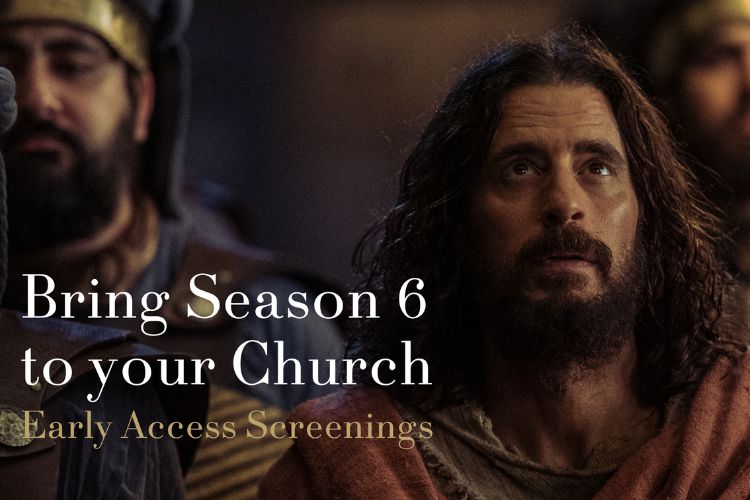
Season 6 of The Chosen is releasing next month, and until 15 November, your church has the opportunity to host a free pre-release screening of Episode 1. Here's how.
9 October 2026
2.9 MINS
Angus Buchan’s remarkable journey from farmer to evangelist is brought to life in a new documentary now streaming, revealing the faith, family and challenges behind his public ministry.

9 October 2026
1.8 MINS
Pen Power Australia has been busy confronting antisemitism and double standards, lodging letters, pursuing accountability and celebrating several important wins along the way.

9 October 2026
3.3 MINS
New South Wales healthcare workers who object to abortion and voluntary assisted dying face growing pressure, raising serious questions about conscience rights, employment and moral injury.



I strongly diagree with Marilyn Rodrigues assesment of this very evil legislation. This bill is malignant on many levels.
This bill needs to dumped. There are so many bits of legislation that will have to change. This is an evil piece of legislation. There is no need for it at all.