Multiculturalism at a Crossroads
Multiculturalism is at a “crossroads”, with greater leadership needed to “break the cycle of hate” and “teach a new generation of Australians to rise above entrenched beliefs”, two leaders of the government’s multicultural policy review have warned.
Bulent Hass Dellal, chair of the Multicultural Framework Review, said the reform blueprint “about to be launched” was aimed at strengthening the foundations of social cohesion for the next decade and beyond.
Dr Dellal – the executive director of the Australian Multicultural Foundation and former chair of SBS – said a key challenge was how to ensure long-held historical grievances were not passed on to future generations.
“Our challenge is to try and break that cycle of hate, learn from history and to move forward,” he said.
“And I think as a nation, we have been prepared to face those challenges because we, as a community, are very much engaged in developing good social policies and engagement. The challenge is to break that cycle of discrimination and hate and conflict, so we do not pass it on to a new generation of Australians.”
Unity in Diversity
Speaking in the wake of two recent violent stabbing attacks in Sydney and an escalating conflict in the Middle East, Dr Dellal said the multicultural framework policy loomed as a “litmus test of the nation’s commitment to not just tolerating but embracing the diversity of our nation”.
Its success would depend on government leadership and whether there was bipartisan support for change, with fellow panel member and Multicultural Australia chief executive Christine Castley saying the nation was “almost at a pivotal moment or a crossroads in terms of how we take our commitment to multiculturalism forward”.
Ms Castley said it was critical that Australia learnt “how to have the conversations that go across communities living with differences” and “still come together as one country”.
“Government has a very important role in very clearly stating its commitment to multiculturalism,” she said. “There needs to be a leadership piece in saying this is who we are and we all need to come together. That’s a practical thing.”
Dr Dellal and Ms Castley, along with human rights lawyer Nyadol Nyuon, make up the three-member panel charged with conducting the Multicultural Framework Review which was finalised in March and handed to government.
Rising Tensions
The review has been delivered at a time when social cohesion has been elevated as a frontline political issue.
Opposition leader Peter Dutton said there was a “social contract” whereby “we do not allow the problems, the tensions, or the animosity of other parts of the world to manifest in our communities or on our streets”.
The Opposition Leader has accused Anthony Albanese of a lack of leadership in his response to the 9 October rally at the Sydney Opera House, where Palestine supporters gathered in large numbers following the massacre of 1,200 Israelis by terror group Hamas.
Mr Dutton said this was evidence of “people in our country today who do not subscribe to our democratic values” and of individuals “who do not want to change for Australia but want, instead, for Australia to change for them.”
The Prime Minister defended multiculturalism as a key “part of modern Australia” and said Australians “overwhelmingly, in cities like Melbourne and Sydney, live in peace and harmony”.
Mr Albanese said it was important to “make sure that we nurture our multiculturalism”. But he acknowledged there had been a “rise of anti-Semitism”.
“You had the event at Caulfield, which was a provocation,” Mr Albanese said. “That was outrageous.”
Describing Australia as “one of the most successful multicultural nations in the world”, Dr Dellal warned it was a project that had failed in other countries.
“Many countries in Europe have said multiculturalism has failed. It has failed in the absence of good policy,” he said.
“Simply being an ethnically diverse society does not constitute being a successful multicultural society in the absence of good social policy.
“We need to remind ourselves… that the overarching obligations require us to accept the rule of law, equality, freedom of speech and religion and, most importantly, reciprocal respect and a commitment to Australia first and foremost.”
Ms Castley said a lot of migrant communities felt that “no one is really connecting with where they are at”. Australia could not become “insular as a country”, and better national conversations were needed so that “individuals who walk alongside us in the community understand what is going on in a person’s life, which is impacted by what’s going on in the wider world”.
___
Republished with thanks to the Australian Prayer Network. Image courtesy of Adobe.
Recent Articles:
20 October 2026
4 MINS
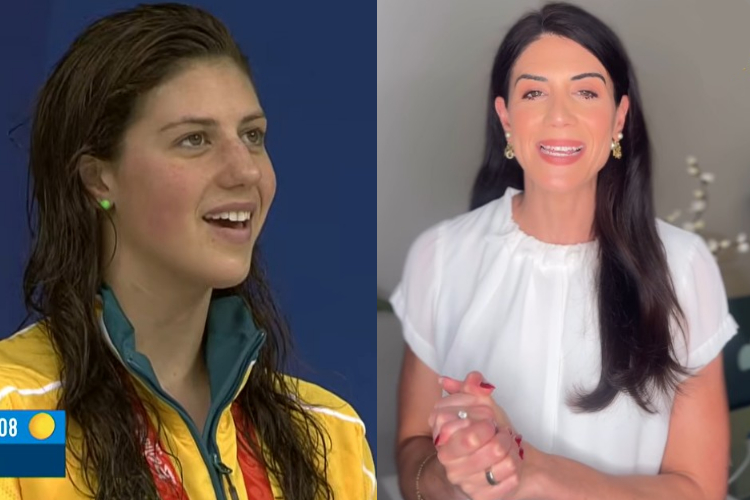
Olympic champion Stephanie Rice has faced a wave of online ridicule after revealing she resigned from her dream job following what she believes was God’s direction.
20 October 2026
7.7 MINS
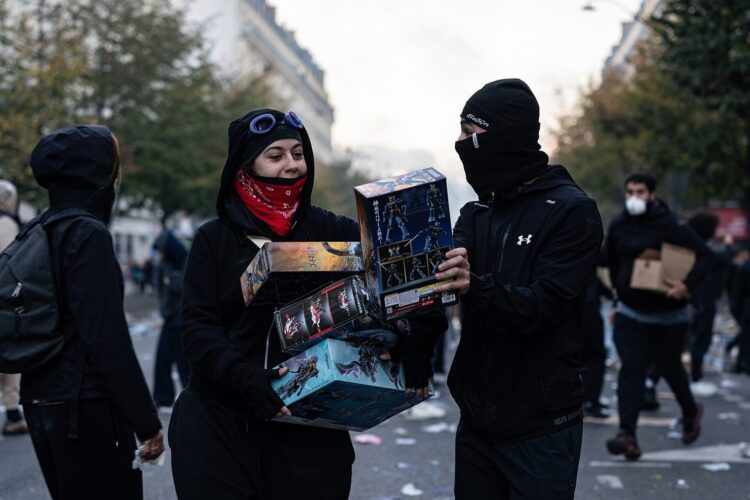
France and Europe are burning — is it too late to save them from the barbarians?
20 October 2026
4.6 MINS
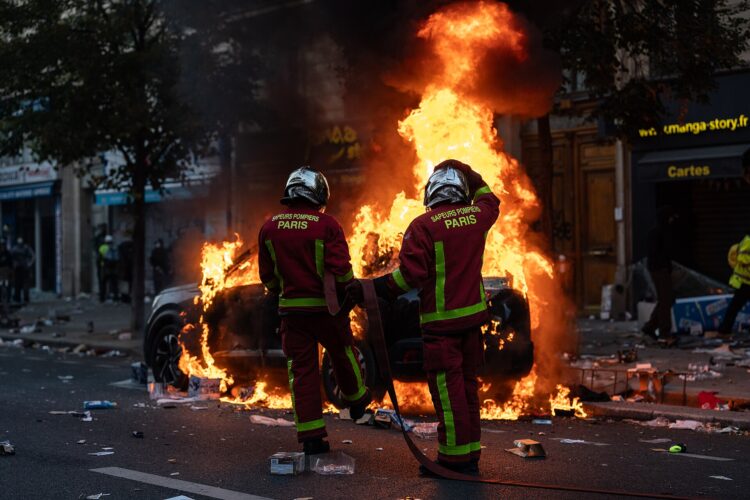
As rioters burn cars and historical buildings, celebrating the destruction of France’s inheritance, the West confronts an uncomfortable question: what happens when a civilisation loses the will to defend itself?
20 October 2026
4.9 MINS
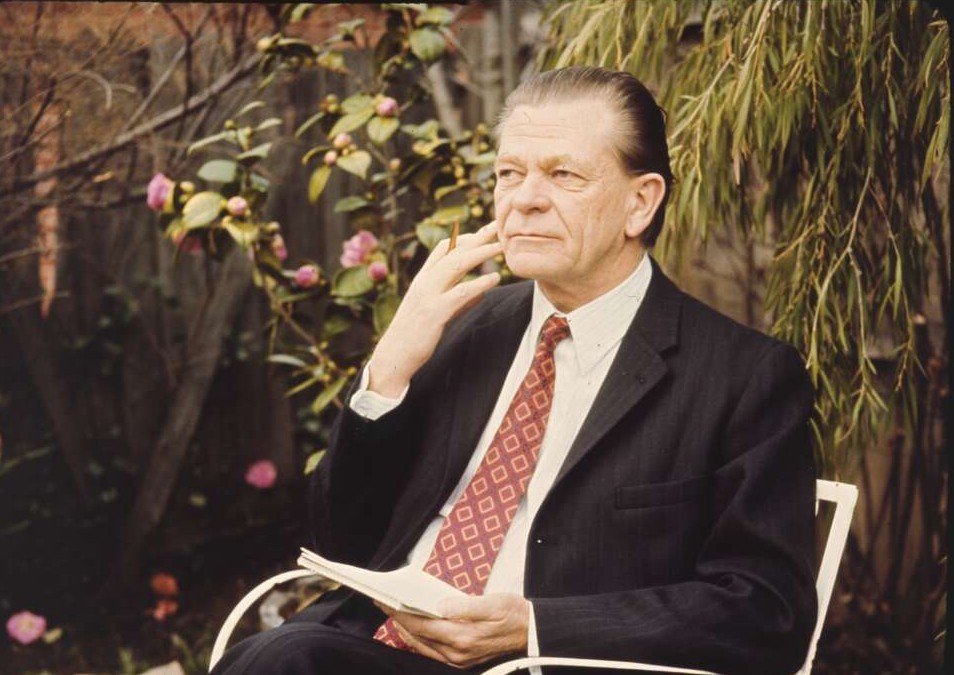
James McAuley’s legacy reaches far beyond Australia’s Catholic hymnals. Poet, convert and cultural warrior, he defended beauty, truth and faith in an age of changing values.

20 October 2026
4.9 MINS
A federal investigation has exposed how America’s biggest banks shut out conservative and Christian clients, relying on subjective reputation risks and controversial ideological watchdogs.
20 October 2026
3 MINS
Scripture teaches us to pray the "prayer of faith", because without faith it is impossible to please God.

19 October 2026
7 MINS
Western Australia’s euthanasia deaths have surged, prompting calls for an urgent inquiry amid concerns about doctor shopping, waived safeguards, limited palliative care and proposed legal expansion.