



Effects of Declining Fertility Already Being Felt
Across the world, countries are already struggling to find sufficient workers to sustain the economy and retirees.
“According to the United Nations, the earth’s population will reach 8 billion around November 15. But, due to rapidly declining fertility, the world’s population may begin falling by 2050,” said Dr Jennifer Roback Morse, PhD, president of the Ruth Institute.
“Once the fall begins, the downward slide will be swift, with potentially devastating results.”
Worldwide fertility has plummeted from 4.7 births per woman in 1950 to 2.4 in 2017, a decline of roughly 50%. The current estimated US fertility rate is 1.78, well below replacement level of 2.1.
“As the century progresses, the effects of what we call Demographic Winter will become increasingly apparent,” Morse said.
“But the impact is already being felt. The US Census Bureau predicts that by 2034, for the first time ever, there will be more Americans over 65 than under 18.”
“That means more elderly in need of services, and fewer workers to pay for them. It will result in declining tax revenue and increasing expenditures for pensions and health care.”
“It will also become harder to find essential workers. A senior citizen can work as counter help at McDonald’s, but few can do long-haul trucking or operate heavy equipment. Many jobs require the strength, agility and mental acuity that most of the elderly lack,” Morse observed. “That’s why, even today — as the pool of young workers shrinks — we’re seeing ‘help wanted’ signs everywhere.”
But the US fertility rate of 1.78 is robust compared to most of Europe and Asia. Spain’s is 1.24. Italy’s is 1.3. After years of its one-child policy, China’s fertility rate is an anemic 1.16.
Where will these nations find the workers of the future — not just the police and medical personnel, but also farmers and factory workers?
___
Originally published at The Ruth Institute. Photo by Andrea Piacquadio.
Recent Articles:
8 October 2026
4.1 MINS
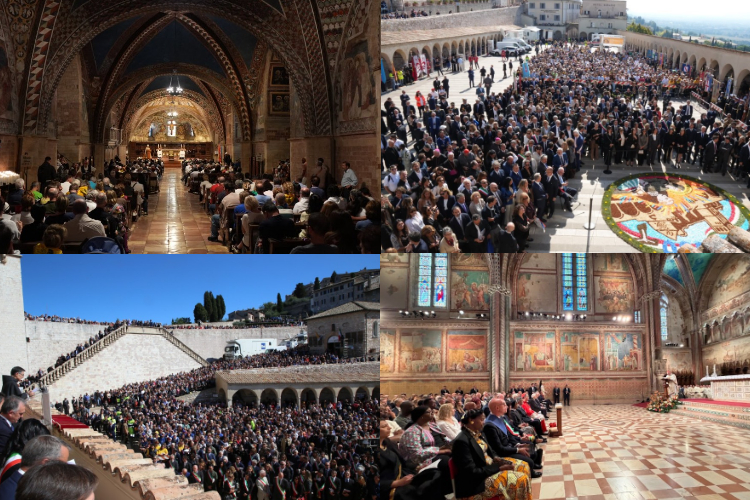
Italy honours St Francis of Assisi 800 years after his death, celebrating a saint whose devotion to Christ, radical simplicity and message of peace continue to shape generations.
7 October 2026
1.5 MINS
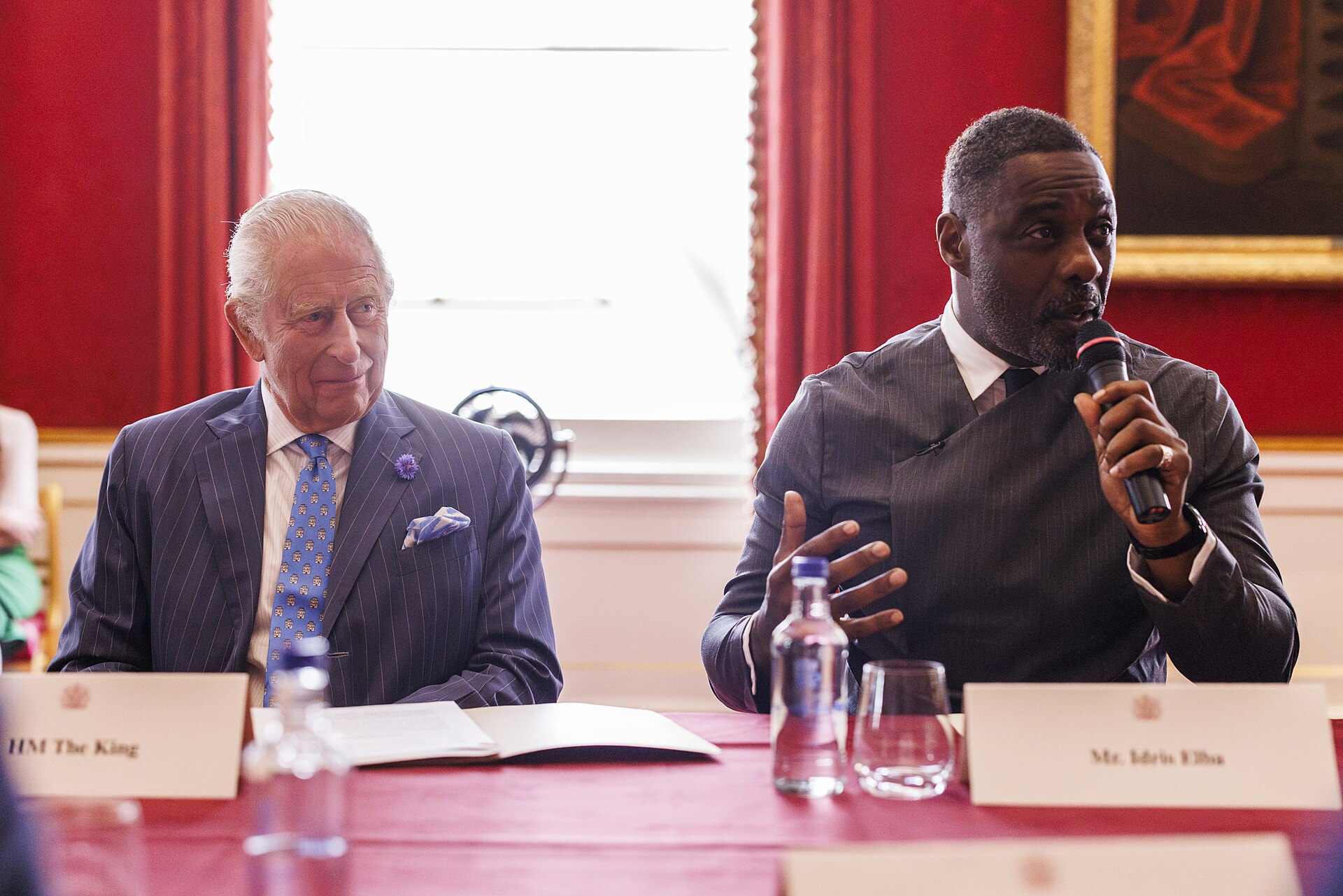
Across the Middle East, North Africa and Anatolia, Christianity once shaped entire civilisations. Could Britain’s Christian heritage likewise become a memory rather than a reality?

7 October 2026
6 MINS
What can Tucker Carlson’s interview with Jacob Rees-Mogg teach us about political disagreement? Their clash over war, Russia and national defence highlights the importance of listening carefully and understanding an opponent’s position before attempting to refute it.
7 October 2026
8.5 MINS
Gerald McDermott’s work challenges Christians to approach Israel through Scripture first, exploring God’s covenant faithfulness, Christian Zionism, Jewish identity and antisemitism.
6 October 2026
3.4 MINS
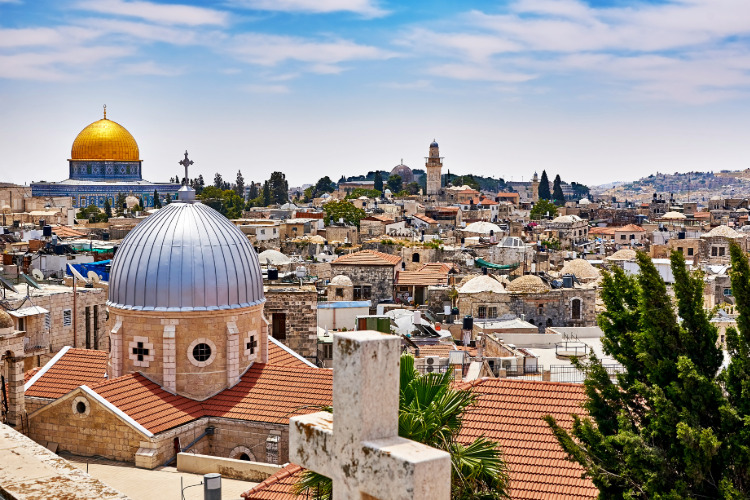
Christians cannot afford to let headlines and social media shape their view of Israel. Scripture provides a foundation for understanding Israel, God’s promises and our response.

6 October 2026
6.7 MINS
Fresh revelations about the foiled FlyDubai terror plot expose the attacker’s alleged extremist history, while a courageous pilot’s actions prevented an unthinkable catastrophe.

6 October 2026
6.2 MINS
Britain’s grooming gang scandal exposes a devastating failure to protect vulnerable children, raising urgent questions about political correctness, accountability, immigration and the loss of moral courage.


