



New Legislation Seeks to Outlaw Pornography in the United States
Republican lawmakers are pushing a bill to update 20th-century obscenity laws, aiming to curb online pornography and hold the industry accountable for its social harms.
Republican lawmakers are promoting legislation aimed at bringing down the pornography industry by updating obscenity laws for the 21st century. Senator Mike Lee (R-Utah) and Rep. Mary Miller (R-Ill.) introduced the Interstate Obscenity Definition Act (IODA) last week, clarifying the definition of “obscenity” as used in the 1934 Communications Act.
The bill would define as obscene any “picture, image, graphic image file, film, videotape, or other visual depiction that… taken as a whole, appeals to the prurient interest in nudity, sex, or excretion” or “depicts, describes, or represents, an actual or simulated sexual act or sexual contact, actual or simulated normal or perverted sexual acts, or lewd exhibition of the genitals, with the objective intent to arouse, titillate, or gratify the sexual desires of a person,” and also “lacks serious literary, artistic, political, or scientific value.” The bill would also remove the requirement that communications — such as websites, social media posts, emails, etc. — have the “intent to abuse, threaten, or harass another person” in order to be considered obscene.
In comments to The Washington Stand, Lee explained, “It may surprise progressives, but obscenity is not protected speech under the First Amendment. Other things the government limits to adults — like alcohol, cigarettes, guns — have extensive definitions to prevent their purchase or consumption by children.” He continued, “Internet pornography has skated past outdated and unenforceable definitions of obscenity, reaching millions of kids and deeply wounding our society. My bill updates the definition of obscenity for the federal oversight of interstate commerce, a first and necessary step to tackling this problem.”
Mary Szoch, director of the Center for Human Dignity at Family Research Council, told The Washington Stand, “The prevalence of pornography in the modern era has created a public health crisis. Children as young as 12 are targeted by the pornography industry, which addicts its victims at younger and younger ages, destroying minds and hearts in the process.” She continued, “I am so grateful for the courage of Senator Mike Lee and for his efforts to rid America of this filth. Pornography is destroying American families. It’s time we put a stop to it.”
The Undeniable Harms of Pornography
A 2023 study found that nearly three-quarters (73%) of teenagers admitted to having been exposed to pornography by the age of 12. Most teens accidentally discovered pornography by clicking on online advertisement links. Shockingly, well over 80% of teens surveyed reported that they consumed pornographic content depicting violence, choking, bondage and sadism, or rape. Another survey found that over 70% of teenagers regularly consume pornography and 15% had been exposed to pornography by the age of 10. Again, a majority of teenagers admitted to consuming violent pornographic content.
A growing number of state legislatures have passed laws requiring stringent age verification processes to access online pornography, in an effort to protect children from the increasingly aberrant content and exploitation on pornographic websites. In several states, the largest pornographic website in the world, PornHub, has completely ceased operating in response to the age verification requirements.
PornHub — and its parent company, Aylo Holdings, formerly MindGeek — has a history of profiting from sex trafficking, rape, and even child sexual abuse. PornHub and other websites like it have hosted pornographic content that was produced without the women involved knowing that they were being filmed, as well as videos of real-life rape and child sexual abuse. Companies like PornHub and OnlyFans, which pays men and women to produce and share their own pornographic content, have lax age verification processes, allowing minors to easily bypass them and distribute their own self-produced pornographic content — and allowing predators to bypass age verification processes to profit from child sexual abuse material.
According to a 2020 report from Polaris, which operates the National Human Trafficking Hotline, pornography has become the number-one venue for sex trafficking in the US, outpacing even street-based prostitution. Over the last five years, sex trafficking venues such as street-based prostitution, illegal massage parlours, and strip clubs have waned in dominance in the sex trafficking industry and have been rapidly replaced by pornography and other sex trafficking venues thought to be affiliated with pornography production, such as online ads and “residence-based commercial sex.”
In comments to The Washington Stand, National Center on Sexual Exploitation (NCOSE) general counsel Benjamin Bull warned that Lee’s bill will likely face challenges in court, but he emphasised the strength of age verification requirements, which he said “would shake up the pornography industry, restrict sex trafficking and child sexual abuse material, and force more accountability.” Bull added, “The pornography industry has encouraged and profited from the distribution of image-based sexual abuse on their platforms, and it’s time to hold the industry accountable.”
___
Republished with thanks to The Washington Stand. Image courtesy of Pixabay.
One Comment
Leave A Comment
Recent Articles:
19 October 2026
6.7 MINS
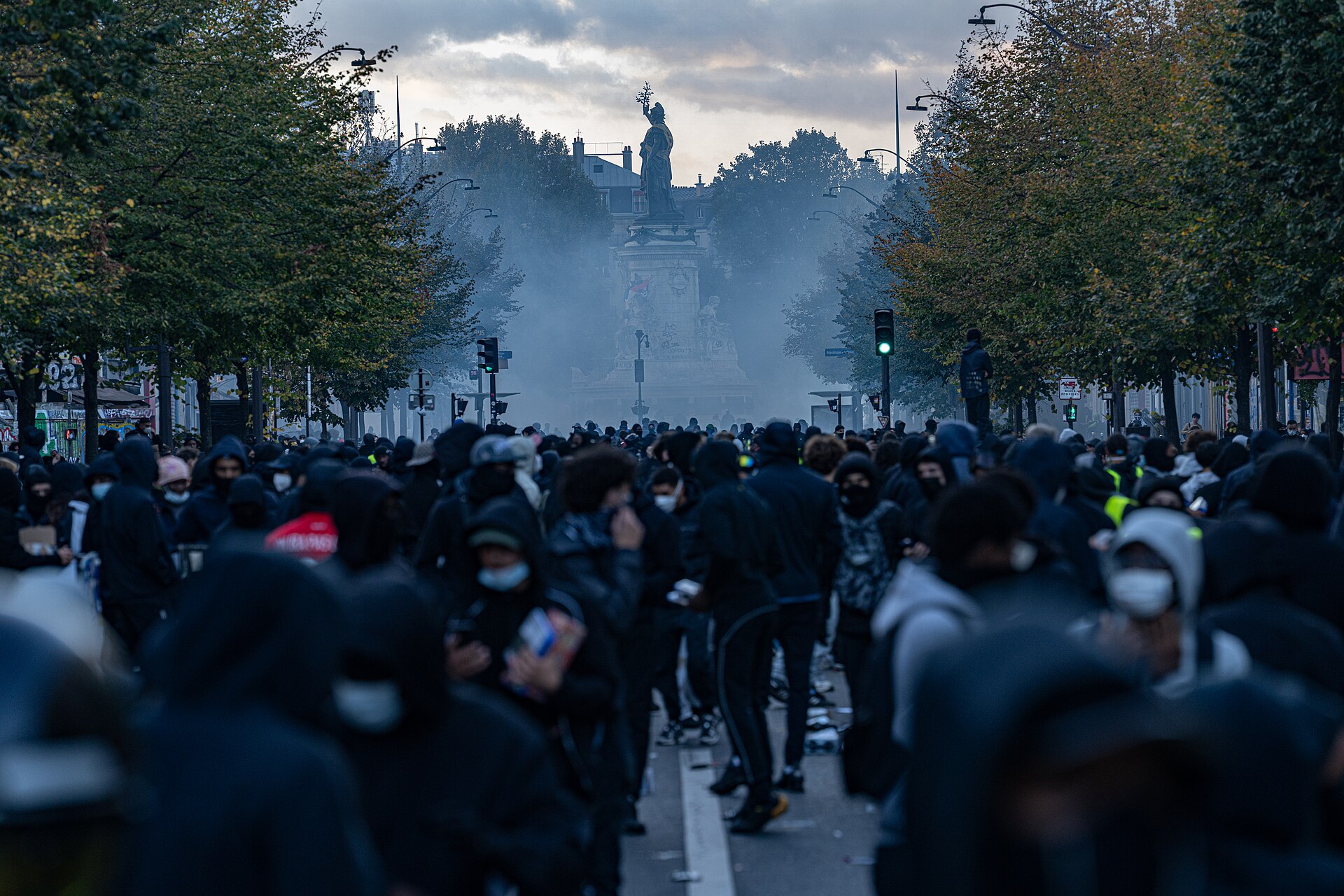
Europe’s escalating unrest raises urgent questions about immigration, national identity, secularism and the decline of Christian influence, prompting calls for repentance, prayer and renewed leadership.

19 October 2026
7 MINS
Western Australia’s euthanasia deaths have surged, prompting calls for an urgent inquiry amid concerns about doctor shopping, waived safeguards, limited palliative care and proposed legal expansion.
19 October 2026
12.4 MINS
Greta Gerwig’s "Narnia: The Magician’s Nephew" trailer raises questions about C. S. Lewis’s Christian vision and the faithfulness of the new Netflix adaptation. Here are my initial impressions and concerns.
19 October 2026
2.7 MINS
The UK Greens’ vote to define Zionism as racism has exposed deep divisions within the party, raising questions about its future leadership and political direction.

19 October 2026
3.3 MINS
Discover why dads make a unique difference in their children’s lives, and how the Dads4Kids Fun Camp creates lasting memories through adventure, connection and fun.
16 October 2026
4 MINS
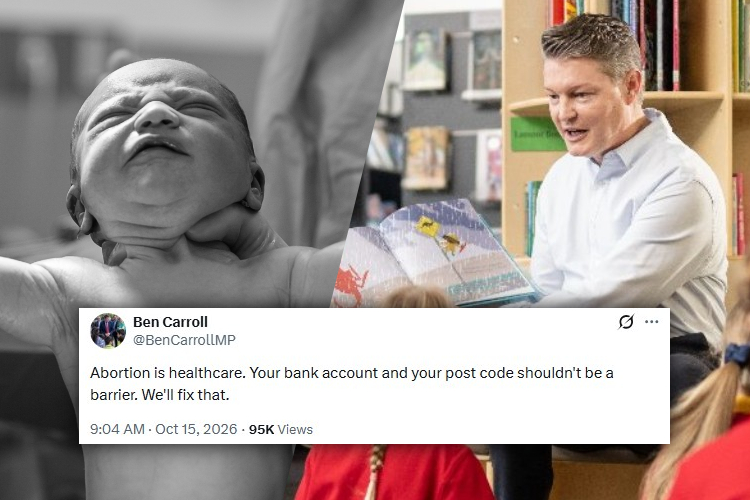
A desperate Victorian Labor Party is peddling taxpayer-funded abortions as free “healthcare”. In a shameless attempt to stay in power, they're willing to do anything — including killing the unborn and forcing taxpayers to pay for it.
16 October 2026
4 MINS
Katie Zacharia’s first days as White House Press Secretary have sparked fierce media criticism, but her remarkable testimony of surviving an abortion attempt tells a deeper story.



When the Libs and Labor voted together to ban children accessing social media, I asked could pornography sites also be included. Sadly, I never received a reply from either side of politics.