Freedom as Telos: Rediscovering Human Purpose
Is freedom found in having a plethora of choices and never committing to one? Or is it rooted in discovering your life’s purpose and pursuing it to the best of your ability, by the grace of God?
Freedom consists not in doing what we like,
but in having the right to do what we ought.
~ John Paul II
People today are obsessed with freedom, and yet there is clearly something missing… something important.
Much of our cultural narrative is devoted to telling the story of increasing personal, social, and political freedoms.
At the collective level, this is the story of political liberalism and the construction of a society that guards individual autonomy and provides as many lifestyle options to people as possible.
At the personal level, this has taken the form of expressive individualism — the conviction that true freedom involves unconstrained expression of our self-determined inner truth, usually known through our feelings.
But is this freedom? Could we be deceived in thinking that self-expression predicated on feelings will set us free?
Authentic Living
It is about time we rediscovered an ancient concept: telos, meaning end goal, or purpose. According to the Ancient Greek philosopher Aristotle, everything has a telos. Every action, every person, every society is aimed at something, some goal.
In the thirteenth century, the theological and philosophical genius Thomas Aquinas used Christian theology to redevelop this idea and argued that human beings have ‘an end to which [their] whole life and all [their] actions are ordered’ (De Regno, 1.3).
According to this view, human beings have a duty to pursue the end for which they were designed. This is a radical notion, and it has revolutionary implications. It does not suggest that we will be most free when we do what we feel like, or when we have the most available options.
Instead, it says that we will be free when we fulfil our actual purpose. Authenticity is not some pursuit of self-expression or self-creation; it is a pursuit of our true nature and purpose.
Societal Consequences
The idea that we have an externally given telos strikes at the heart of expressive individualism, but it also has broader implications for how we interact as a society. When we appreciate that all things have a design and a purpose, we gain enormous clarity around the goodness of certain social activities. We can clearly see the detrimental effects of an ‘anything goes’ mindset.
For instance, as a rule, part of the telos of any given man or woman is to express faithful, committed love to one another; to build into each other’s lives in an intimate way; to raise, foster and train children, and to contribute as a stable family unit to society.
Freedom in Commitment
Freedom is not merely having multiple options for sexual partners. It is the ability to do and become the sexual and life-partner that we are designed to be. The ‘freedom-as-choice’ narrative neglects freedom-as-telos, and the result is immeasurable emotional, mental, spiritual and physical harm to children and adults alike.
When it comes to sexual relationships, freedom is not a case of ‘anything goes’. The ‘freedom-as-choice’ narrative sees the reality of married love as oppressive and limiting; the telos paradigm sees it as fulfilling and liberating. It enables human beings to enjoy the purpose for which they were created, both in this life and the next.
___
Recent Articles:
24 November 2026
2 MINS
A national Christian declaration against antisemitism is being launched in the wake of the Bondi massacre, calling believers to prayer, unity and practical action.
24 November 2026
4.1 MINS
US lawmakers and the State Department are pressing Egypt to free Christian convert Said Abdelrazek, while the Albanese government faces mounting criticism for its silence.
24 November 2026
3.4 MINS
Victoria’s controversial Treaty faces growing opposition, with One Nation and the Liberals pledging to scrap it, arguing voters have already rejected race-based political representation.
24 November 2026
4.8 MINS
Wes Huff’s public confession of plagiarism raises difficult questions about integrity, accountability and forgiveness, while offering a powerful reminder that God’s grace remains sufficient for the repentant.

24 November 2026
3.9 MINS
St Paul’s teaching on principalities and powers challenges Christians to look beyond human explanations for society’s moral decline and recognise the importance of spiritual warfare and prayer.
23 November 2026
3.1 MINS
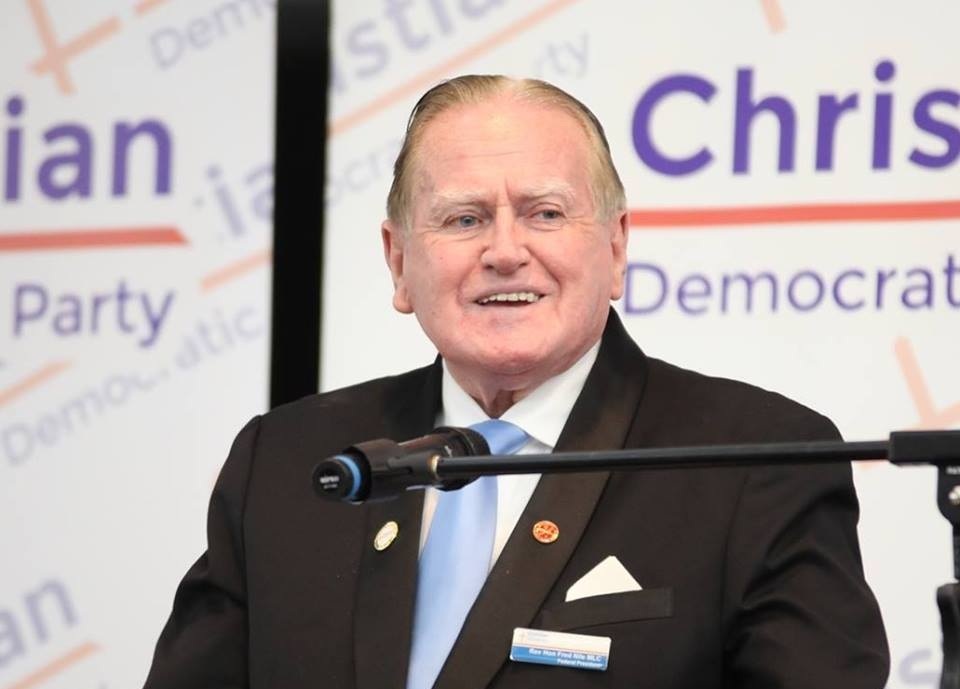
Rev Fred Nile was a fearless Christian voice in Australian politics, a tireless defender of biblical values and a controversial figure whose legacy deserves both honour and reflection.
23 November 2026
4.2 MINS
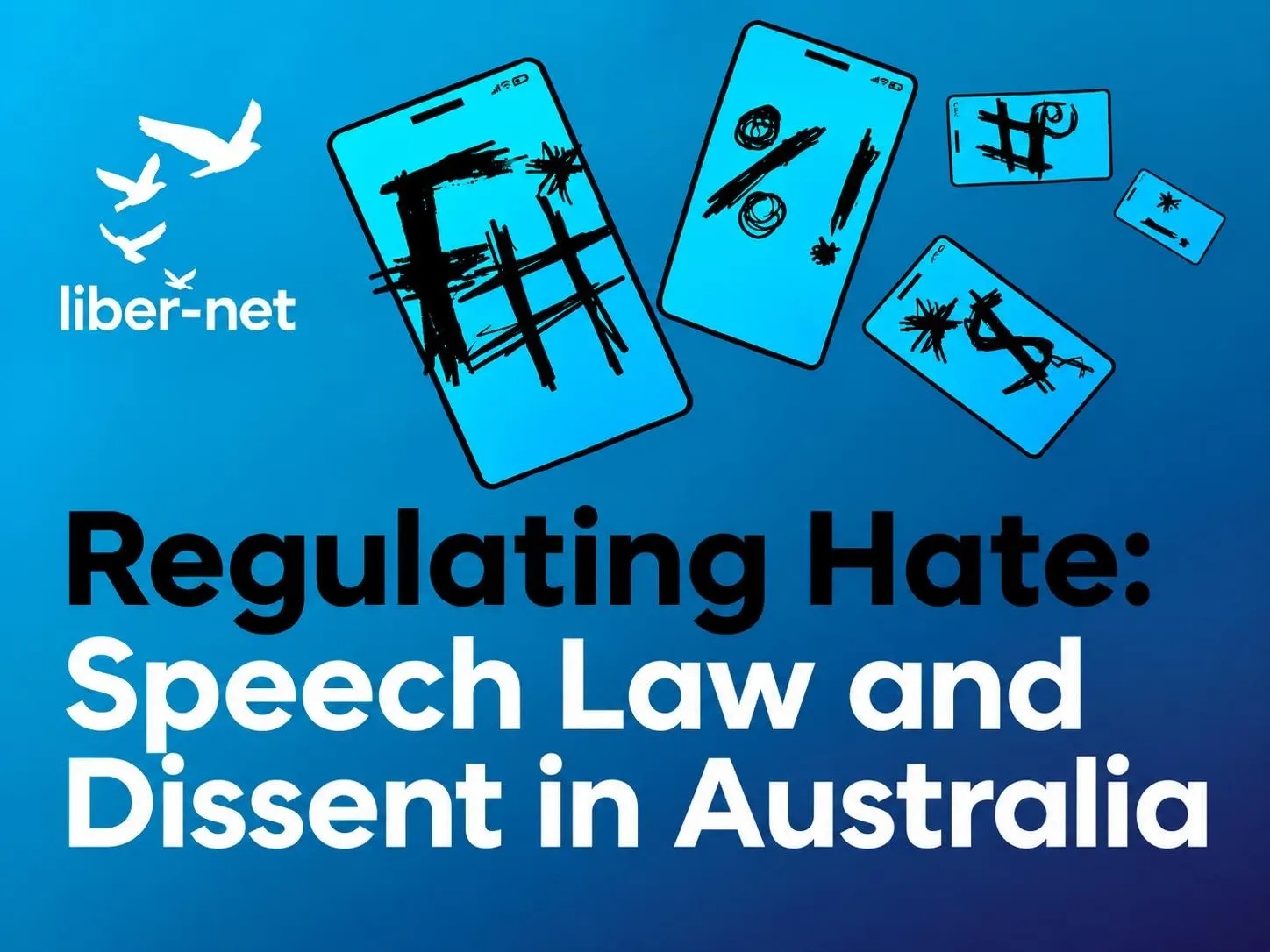
Australia’s expanding hate speech laws and online controls are raising serious questions about free expression, democratic freedoms and the future of multiculturalism in Australian society.