


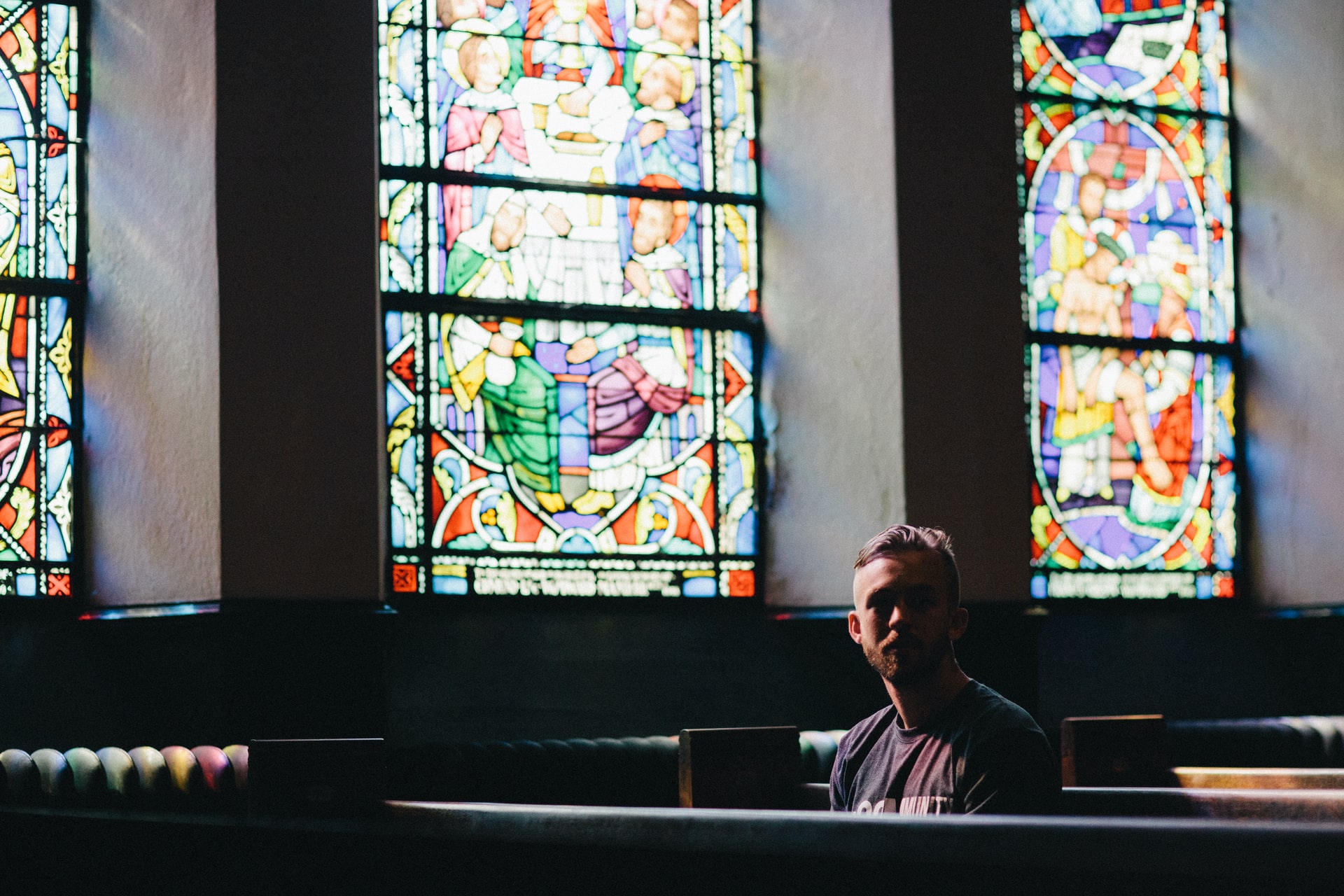
How to Let Political Disagreements Damage Your Church in 4 Easy Steps
Our society is increasingly polarised.
We’re less likely to hold favourable opinions of those who disagree with our political views. We’re less likely to develop deep friendships with people who vote the other way.
Instead, we’re more likely to avoid people with political differences. We’re more likely to be suspicious of them. We’re more likely to write them off as ‘uneducated’ or ‘irrational’. Whether it’s the workmate who’s pro Liberal (or pro Greens); the fellow soccer mum who’s pro-Thunberg (or a climate sceptic); or the neighbour who’s pro Trump (or pro BLM).
We’re getting better at divisiveness, and worse at unity. And it’s fracturing our society.
Sadly, our churches are not immune from this polarisation. We’re always in danger of bringing the world into our church (rather than letting the gospel impact our world). But in this cultural moment, it’s easier than ever to tear our churches apart over differing political views.
In fact, here are 4 easy steps Christians can do to make this awful scenario a reality:
Step 1: Ignore the Difference Between ‘Straight Line’ Issues and ‘Jagged Line’ Issues
A key first step is to ignore the difference between ‘straight line’ political/social/ethical issues and ‘jagged line’ political/social/ethical issues.
Christian theologians Jonathan Leeman and Andrew Naselli explain the difference between the two:
For a straight-line issue, there is a straight line between a biblical text and its policy application. For instance, the Bible explicitly teaches that murder is sinful; abortion is a form of murder, so we should oppose abortion. That’s a straight line. Accordingly [a church should] initiate the church-discipline process with a member who [calls themselves a Christian and] is advocating for abortion…
They continue:
But for a jagged line issue, there is a multi-step process from a biblical or theological principle to a political position.
They conclude:
Most political issues are not straight-line issues. Most are jagged-line issues. Think of everything from trade policy to healthcare reform to monetary policy to carbon dioxide emission caps. These are important, and Christians should bring biblical principles to bear when thinking about them. But the path from biblical text to policy application is not simple. It is complex. For such issues, none of us should presume to possess “the” Christian position, as if we were apostles revealing true doctrine once and for all time.’
In other words, step 1 is assuming that the Bible gives clear positions on the political issues of our day just like it teaches us about salvation, judgement, and the second coming. It’s assuming Jesus and the apostles gave direct commands on climate change policy and immigration, tax benefit and public schooling.
If we assume that all political issues are ultimately ‘straight line’ issues, we’ll be taking the first step toward polarising and fracturing our churches.
Step 2: Assume Your ‘Jagged Line’ Political Convictions Are ‘Straight Line’ Issues
This step is all too easy. Assume there’s a direct line between your political viewpoint and the Word of God.
Assume that the Bible directly supports your political party, your view on immigration, tax, and social welfare. Ignore any evidence to the contrary, that perhaps the Bible’s take on these issues isn’t as clear cut as you assume.
Step 3: Condemn Those Who Disagree With Your (Jagged Line) Political Convictions As Unchristian
If your political views are directly from the Bible, then any Christian who disagrees with your politics is disobeying God Himself. Thus, voting for [insert your political viewpoint] is not a ‘disputable matter’ (Rom 14), a matter of Christian freedom, a matter that Christians can disagree over and still honour God. Disagreeing with your view of immigration/climate change/welfare is akin to heresy, and Christians who do so should be treated as such.
Step 4: Break Fellowship With Those Who Hold to Differing Jagged line Political Convictions
The final step is to break fellowship with such people. After all, you wouldn’t have Christian fellowship with someone that calls themselves Christian, but denies that Jesus rose physically from the dead. In which case, why have fellowship with someone who disagrees with your clear cut view of politics?
So there you have it: 4 easy steps to damaging your church through political disagreement.
(Ok, enough sarcasm).
It’s easy to head down this road if we’re not careful.
In today’s culture, churches and Christians face a real and present threat to Christian unity when it comes to politics. As our society becomes ever more polarised — dismissing, nay hating those who hold opposing views — this attitude can seep into our churches, with devastating effects on our fellowship, and our witness to the wider world.
___
Originally published at AkosBalogh.com
Photo by Karl Fredrickson on Unsplash.
Recent Articles:

24 September 2026
3.6 MINS
All Blacks and Springboks players united in prayer after their Baltimore clash, while Christian captain Siya Kolisi and Ardie Savea continue to testify openly about Jesus.

24 September 2026
4.8 MINS
The Digital Duty of Care Bill claims to be about safety. But the actual wording allows the Minister for Communications to decide what "harm" means, and a senator has already confirmed who that power is really meant to silence.

24 September 2026
6.3 MINS
True redemption is far more than a public comeback or second chance. Scripture points to Christ’s costly sacrifice, repentance, surrender and resurrection.

23 September 2026
4 MINS
A renewed petition targets pro-life law professor Dr Joanna Howe, as she and husband James fight back against claims they say have damaged their careers and reputation.

23 September 2026
4.7 MINS
John Anderson challenges Nyadol Nyuon’s rejection of Anglo-Celtic culture, arguing that immigration, social cohesion, shared values and economic pressures cannot be separated.

23 September 2026
3.9 MINS
Italy’s euthanasia debate has reached a troubling new stage, with doctors facing criminal investigation after refusing to participate in assisted suicide.
22 September 2026
6.3 MINS
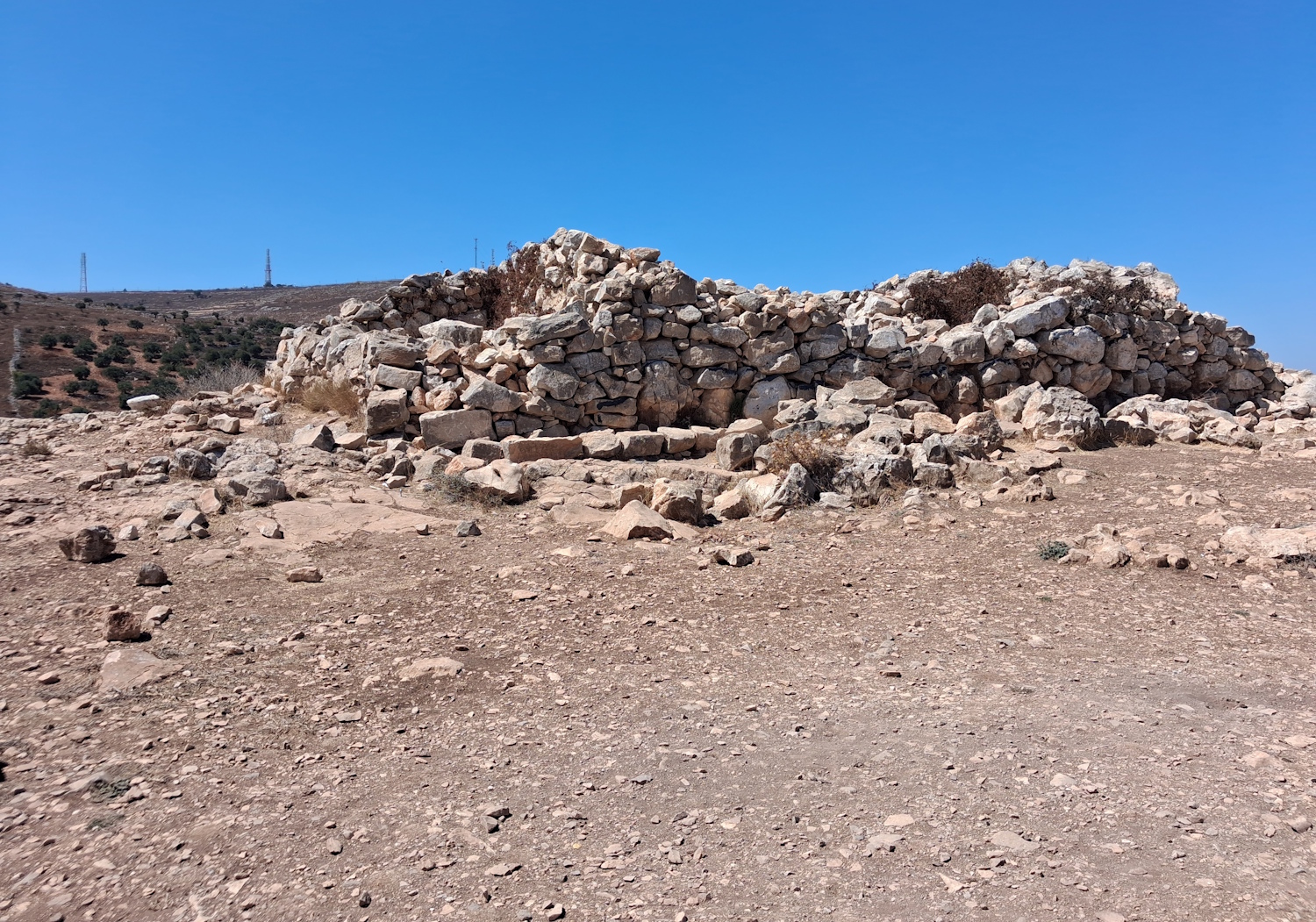
A remarkable journey to Mount Ebal explores Joshua’s altar, fascinating archaeological discoveries and the enduring biblical significance of Samaria and Israel’s ancient heritage.


