


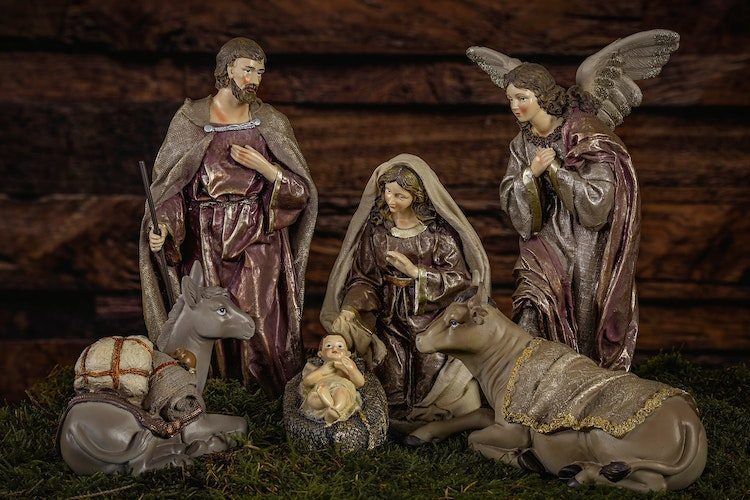
We Remember the Child; We Remember the Mother
Christmas is a time of respite from a turbulent world increasingly alienated from the transcendental by modern ideologies, consumerism and our electronic media’s ever-present distractions.
It offers our own families the repose and joys of the Holy Family. In Bethlehem, the Holy Family was visited by joyous, poor local shepherds and wealthy wise men from the East, as angels sang, “Glory to God in the Highest”, and proclaimed, “Peace on earth to men of goodwill”.
At the Annunciation, Mary acceded to the Archangel Gabriel’s request from God to conceive a child by the Holy Spirit and become the mother of Jesus, meaning, “the Lord is Saviour”.
To paraphrase a Christmas Reflection of the Great Saint Leo, Christ had to be from both God and woman. If He were not God, He would not be able to offer us salvation; if He were not man, He could not be a living human example for us.
Foreshadowing
In the Old Testament, many “Annunciation Scenes” were heralds of Gabriel’s visitation to Mary.
In those cases, an angel of God or an emissary appeared to barren women to say that by divine intervention, they would give birth to a much-desired son.
Often these biblical women suffered deep shame, with people attributing their infertility to some hidden wrong, sin, or flaw.
Yet, often, the sons born to these barren women had a unique destiny.
Three of the great matriarchs were barren: Sarah the wife of Abraham, Rebecca the wife of Isaac, and Hannah (Anna) the wife of Elkanah.
While Sara is hidden away in her tent, three emissaries from God appear to Abraham to announce that Sara will have a son in her old age. Later, Abraham was tested by being asked to sacrifice his only child Isaac, but at the last minute, an angel stayed his hand.
This was the basis of Judaism’s ban on human sacrifice, which was rife in ancient times, and a pointer to Christ, the new Isaac. Christ alone would sacrifice His own life for our salvation.
Isaac’s wife Rebecca was barren, but an oracle promised her children. Her twins, Jacob and Esau, become the ancestors of Israel and Edom.
Jacob’s wife Rachel was also infertile and longed for a child. In time “God remembered” her, and she gave birth to Joseph, who was sold into Egypt by his jealous brothers. Later, Joseph rescued his family from starvation after he was promoted by Pharaoh to be second in charge of the country.
Eli the priest promised the barren Hannah (Anna) that she would be granted her desire for a son, and she gave birth to the great prophet Samuel.
The barren, unnamed wife of Manoah was promised a child who would save the Israelites from the Philistines. Her son was the mighty Samson.
The barren Shunammite woman was promised a child, though she never asked for one. Her youthful son was struck down with a fatal illness, but the great prophet Elisha prayed over him. Before his distraught mother, the dead boy was raised to life, pointing to the coming resurrection of Christ.
In these cases, restoring a woman’s fertility was often marked by the phrase, “And God remembered/took note of Sarah”, or Rachel, or Hannah.
Marvellous Miracles
In the New Testament, Mary’s cousin Elizabeth, and her husband the priest Zacharias, were “already old” and without children. Then, an angel of the Lord appeared and said to Zacharias: “Do not fear; because your prayer has been heard, your wife Elizabeth will bear you a son, and you will call his name John.” Nine months later, probably in the presence of the now-pregnant Mary, John the Baptist was born.
God continues to “remember” the infertile today also. William Dalrymple records in his book, Beyond the Holy Mountain, modern-day miracles from his pilgrimage to the holy sites of the Eastern Church.
At the ancient monastery of Our Lady of Saidnaya, in the mountains of Syria north of Damascus, he was baffled at the number of Muslim men and women praying with the nuns in the chapel. A bright-eyed young nun explained to him that childless Christians and Muslims came to pray overnight for children before the icon of Our Lady and the Child Jesus, reputedly painted by St Luke the Apostle.
“And it works?” asked Dalrymple.
Many times, said the young sister. She told him of a desperate woman beyond normal child-bearing age from Jordan who spent two nights in front of the icon. The following year she revisited the monastery… “with triplets”.
Christmas reminds us of the ongoing graciousness and benevolence of God, of His love and blessing for marriage, fidelity, children and family.
May you have a peaceful, happy, holy and safe Christmas with your family and friends.
___
Originally published at News Weekly. Photo by Myriam’s Fotos.
Recent Articles:

21 October 2026
3.9 MINS
Evangeline Lilly walked away from Hollywood to pursue a deeper purpose. Today, her Christian faith, humanitarian calling and passion for human creativity shape her next chapter.

21 October 2026
7.9 MINS
A collection of sobering reflections on Western civilisation’s decline, the loss of Christian foundations and the dangers of cultural complacency, ending with a message of enduring Christian hope.
21 October 2026
3.4 MINS
If we want to avoid being compliant — even unintentionally — with ungodly ideas, we need to feed our souls with food that is in accord with God’s reality.
21 October 2026
3.4 MINS
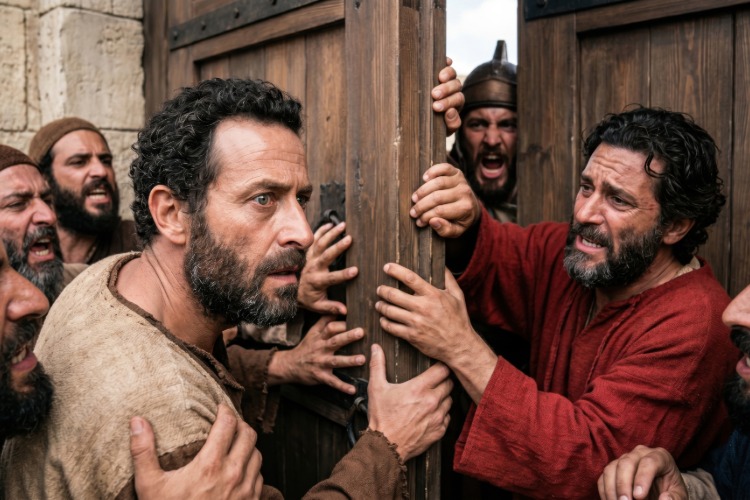
Christians were accused of "turning the world upside down" in Acts 17:6. Let's pray to awaken the Church and do exactly that.

20 October 2026
4 MINS
Olympic champion Stephanie Rice has faced a wave of online ridicule after revealing she resigned from her dream job following what she believes was God’s direction.
20 October 2026
4.9 MINS
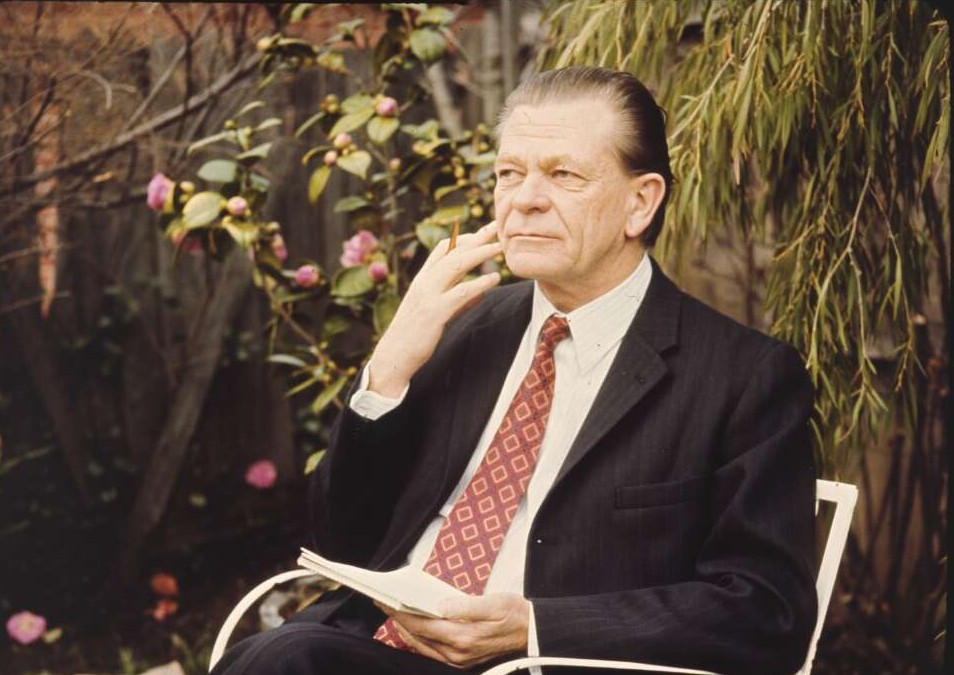
James McAuley’s legacy reaches far beyond Australia’s Catholic hymnals. Poet, convert and cultural warrior, he defended beauty, truth and faith in an age of changing values.
20 October 2026
3 MINS
Scripture teaches us to pray the "prayer of faith", because without faith it is impossible to please God.


