



Why Young Voters Shifted Towards Trump
by Victoria Marshall
President-elect Donald Trump made huge inroads with young voters this past election cycle. Fifty-six percent of young men aged 18-29 voted for Trump this year, a major flip from 2020 when 56% of them voted for Joe Biden. Trump also made inroads with young women, who shifted 11 points toward him compared to four years ago.
While Vice President Kamala Harris ultimately won the majority of voters under 30, she won them by just six points, a quarter of the 24 percentage points Biden had from them four years prior. What can explain this massive shift in support among the youth vote from Democrats to Republicans?
Prices are 20% higher now than when Joe Biden first took office, and young people are struggling to build wealth due to the burden of everyday expenses. As inflation continues to outpace wage growth and housing costs skyrocket, it’s no surprise that the economy was the number one issue for young voters this election cycle. Forty percent of voters under 30 polled by the Associated Press chose the economy as their reason for voting. And they weren’t convinced Harris — or the Democrats — could fix it.
“The affordability crisis is particularly biting to younger Americans trying to get their foothold in the economy,” Matt Carpenter, director of FRC Action told The Washington Stand. “As they entered the workforce, they were met with rising home and grocery prices. This certainly paid a huge factor in their rightward shift.”
Authenticity
Besides the economy, younger voters also saw the Republican ticket as the authentic ticket. This perception is in large part due to the Trump campaign’s strategy to reach younger voters online. Whether it was Trump creating a TikTok account or appearing on some of the top podcasts in the country like Joe Rogan or Theo Von, the campaign effectively won over low propensity, young male voters by talking to them at their level.
In a recent interview with The New York Times, several young people talked about why they opted for Trump over Harris.
“Trump enthusiastically said yes to a three-hour, open, honest conversation with Joe Rogan, who was a former Bernie bro,” a 22-year-old voter named Jack told the paper. “I think it’s very telling about which candidate is authentic and which candidate is not.”
Young voters could see through Harris’s contrived media appearances and rehearsed stump speeches. Even when she tried to mirror Trump by appearing on the left-leaning Call Her Daddy podcast, she appeared fake and out-of-touch with the issues voters cared about, whereas Trump increased his likeability by having genuine conversations with middle-of-the-road podcasters and influencers.
Young voters also liked how normal and genuine Vice President-elect and Ohio Senator J.D. Vance appeared in media interviews and podcasts. “I was so impressed by J.D. Vance, the way he carried himself and how normal he appeared,” a 25-year-old woman named McLane told the Times.
While the Harris campaign was hoping to capitalise on “vibes” this election cycle, whether it was through the “brat” meme over the summer or the legacy media-backed “joy” campaign, ironically, Trump was the one who won the vibe check.
Whether it was posing as a McDonald’s employee or driving a garbage truck, Trump signalled that he cared about the average American voter and brought dignity to their jobs and concerns about the economy. This gave his campaign an authenticity that young voters recognised.
“She was just running a vibes campaign,” Brilyn Hollyhand, chair of the Republican National Committee’s youth advisory council told The Hill.
“With our posts, we would back that up with explaining detailed policies, because that’s something that her side wasn’t doing. Clearly, youth voters paid attention to policies and decided to not go with vibes but with the guy that actually has policies.”
___
Republished with thanks to The Washington Stand. Image courtesy of Gage Skidmore/Flickr.
2 Comments
Leave A Comment
Recent Articles:
28 October 2026
4 MINS
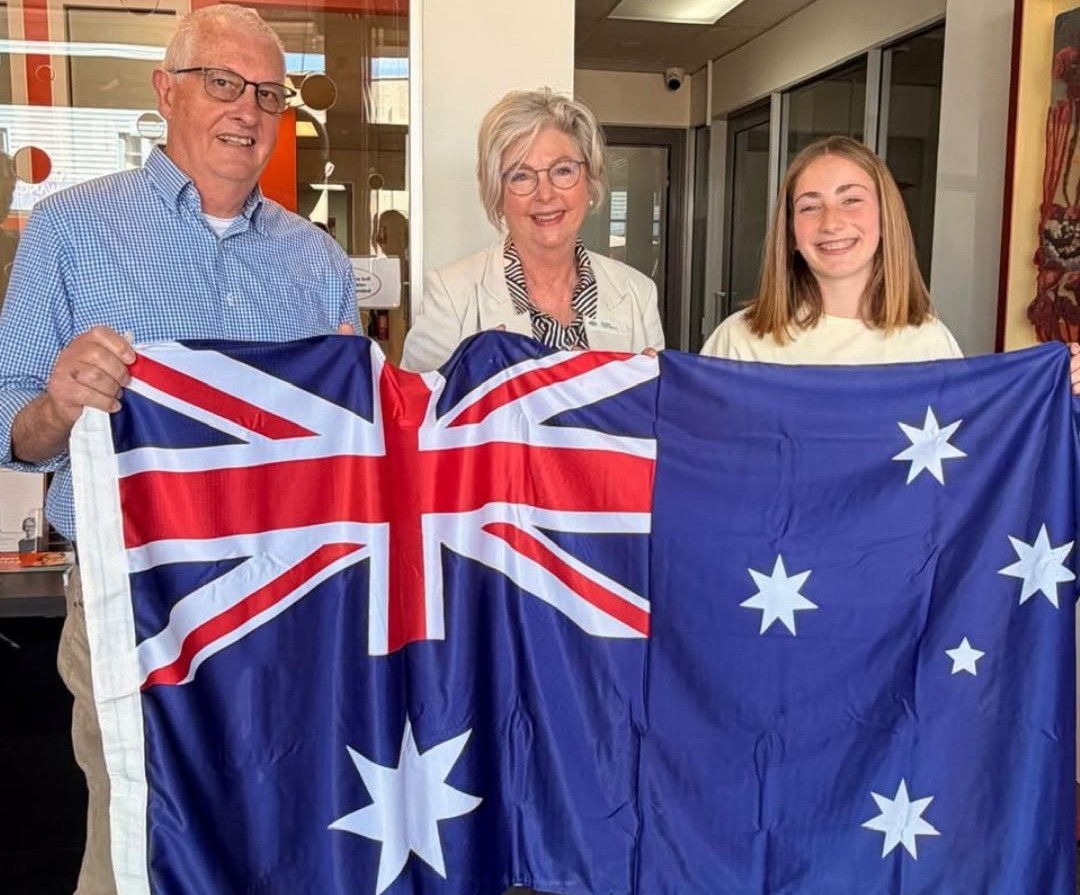
The assault on Helen Haines highlights Australia’s growing political hostility. Recovering civility requires personal accountability, respectful debate and a renewed commitment to Christian moral foundations.
28 October 2026
5.1 MINS
Germany’s proposed social media rules would give government-approved news outlets preferential visibility with social media algorithms, raising concerns about state influence over online information and the future of digital freedom.
28 October 2026
4.4 MINS
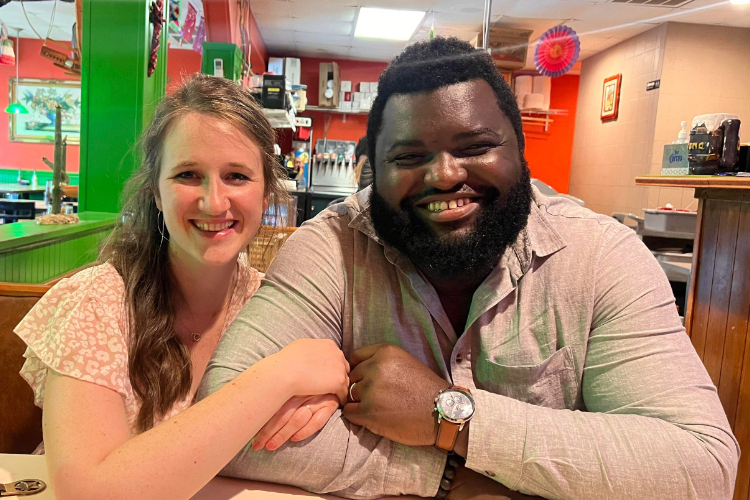
Christian commentator Samuel Sey’s ICE arrest has sparked fierce controversy, exposing deep divisions among conservatives as supporters call for prayer, compassion and a swift legal resolution.

27 October 2026
25.2 MINS
Labor’s Digital Duty of Care Bill threatens free speech, empowers covert online surveillance, and imposes potentially burdensome regulations on Australian businesses.
27 October 2026
10.3 MINS
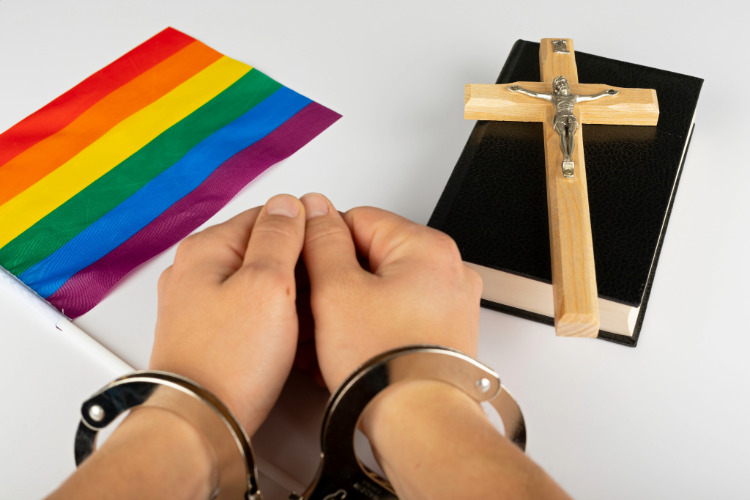
As Tasmania and Western Australia consider conversion therapy bans, a former LGBT+ ministry leader warns of threats to religious freedom, personal choice and Christian discipleship.

27 October 2026
4.9 MINS
Nine Christians have been killed in a terrorist attack on a Jordanian church, prompting fierce condemnation, demands for justice and renewed concerns about religious persecution.

27 October 2026
3.6 MINS
For 25 years, the Mount Moriah Trust has supported struggling Christians across the Holy Land, bringing practical assistance, encouragement and hope to believers facing hardship and persecution.



Love it! Young people are not on the weird way out, but a people of promise and hope.
Trump appeals to ordinary people, including the young , because he is a flawed man who understands them and is not some woke academic .