


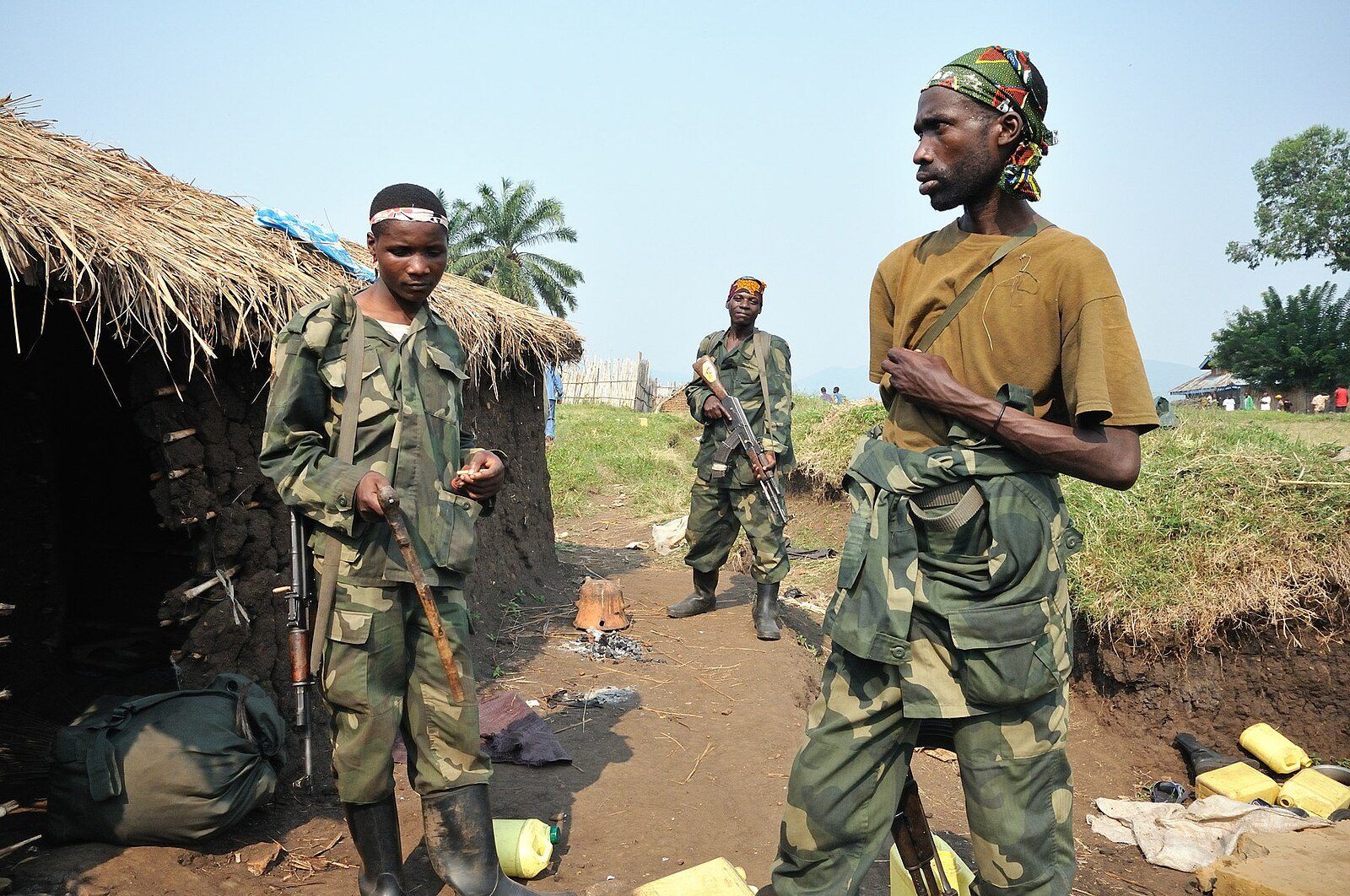
Islamic Extremists Killed Over 22,000 in Africa Over the Past Year, Study Finds
Militant Islamist groups have expanded their presence in Africa and more than doubled fatalities linked to violent activities in specific regions on the continent, according to a study by the Africa Center for Strategic Studies (ACSS).
In the year ending 30 June, 10 militant Islamist groups have been responsible for the death of 22,307 people, a majority of them Christians in West, East, and Central Africa. The analysis shows that the groups have intensified their violent, deadly means since 2023, representing a 60% increase from the 2020-2022 period.
“Nearly half of the fatalities (10,685) in the past year have been in the Sahel,” a vast region covering 10 countries such as Mali, Chad, Nigeria, Burkina Faso, and Cameroon.
“Along with the Lake Chad Basin, these three regions (including Somalia) account for 99% of the militant Islamist-linked fatalities in Africa over the past year,” stated the study, which also mapped how the militant groups have expanded their territorial hold in the continent. “Across Africa, an estimated 950,000 square kilometres (367,000 square miles) of populated territories are outside government control due to militant Islamist insurgencies. This is equivalent to the size of Tanzania.”
Over the last decade, noted the study, militant Islamist groups have been responsible for over 150,000 deaths. The Al Shabaab in Somalia and JNIM (Jama’at Nusrat ul-Islam wa al-Muslimin) affiliate groups in the Sahel have intensified their activities from 2022 in the respective regions, leading to fatalities of over 49,000 in each of the two regions in the last decade. The Lake Chad Basin countries have suffered an estimated 39,000 fatalities over this timeframe.
Conflict Zone
The political instability in the Sahel region has been a major contributor to the spike in fatalities linked to militant groups. The region has averaged 10,500 annual deaths over the last three years, compared to 4,900 in the previous period between 2020 and 2023, a seven-fold increase since 2019.
“The pace and scale of violence in the Sahel is likely even higher than reported, given that the military juntas that seized power in Mali, Burkina Faso, and Niger have restricted media access within the region, which is the main source of conflict data,” states the study that was published on July 28.
The JNIM network with up to 7,000 militants is responsible for over 80% of fatalities in the Sahel, particularly in north, central, and southern Mali and southern Burkina Faso. The JNIM network now occupies over half of Burkina Faso. The groups have lately increased the use of social media, drones and AI to recruit fighters, spread propaganda, and counter military forces in Nigeria, Mali, and Burkina Faso.
In Mali, JNIM has shared videos of alleged abuses by security forces targeting the Fulani community with the aim of portraying “itself as a defender of marginalised populations.” Government forces have accused the community of supporting the militants, with the study linking 17,700 civilian fatalities to government and allied forces.
Increased attacks by the Al Shabaab domiciled in Somalia have led to 6,224 fatalities in 2024/2025. The group’s financial muscle — drawn from extortion, road tolls and piracy — is estimated at $200 million, rivalling Somalia’s internal revenue, and making it easier for the group to recruit fighters, now estimated at between 7,000 and 12,000. A particular area of concern is the growth of the Islamic State in Somalia (ISS), which the United Nations reports is now the administrative and financial headquarters for ISIS global.
The study comes amidst an attack on Christians in a church in Komanda city in eastern Democratic Republic of the Congo by the Allied Democratic Forces, a militant group affiliated with ISIL/ISIS. The militant group took responsibility for 43 worshippers who were killed during a night Mass, and burned shops and homes. The group also claimed responsibility for the early-July attack that claimed the lives of 66 people in Ituri province, near the border with Uganda.
___
Republished with thanks to The Washington Stand. Image courtesy of Wikimedia Commons.
2 Comments
Leave A Comment
Recent Articles:

25 October 2026
4 MINS
Prayer is active partnership with God, and he is awakening his body to prayer, not by might or by power, but by his Spirit.

24 October 2026
3.3 MINS
When we ask God, "What is in my hand?", and see our possessions, money and time as seed that God asks us to sow, life becomes simpler.

23 October 2026
6.8 MINS
Hillsong UNITED’s Joel Houston reflects on fame, faith and the burden of ministry, questioning performative Christianity as he seeks a more authentic walk with God.
23 October 2026
13.1 MINS
Tasmania’s proposed conversion practices legislation raises serious questions about religious freedom, pastoral care and whether Christians can freely pray with those seeking to live according to their faith.

23 October 2026
3.1 MINS
As Western societies grow more hostile, could abandoning Christianity’s moral foundations be contributing to the rise of ideological extremism, political intolerance and violence?
23 October 2026
5.1 MINS
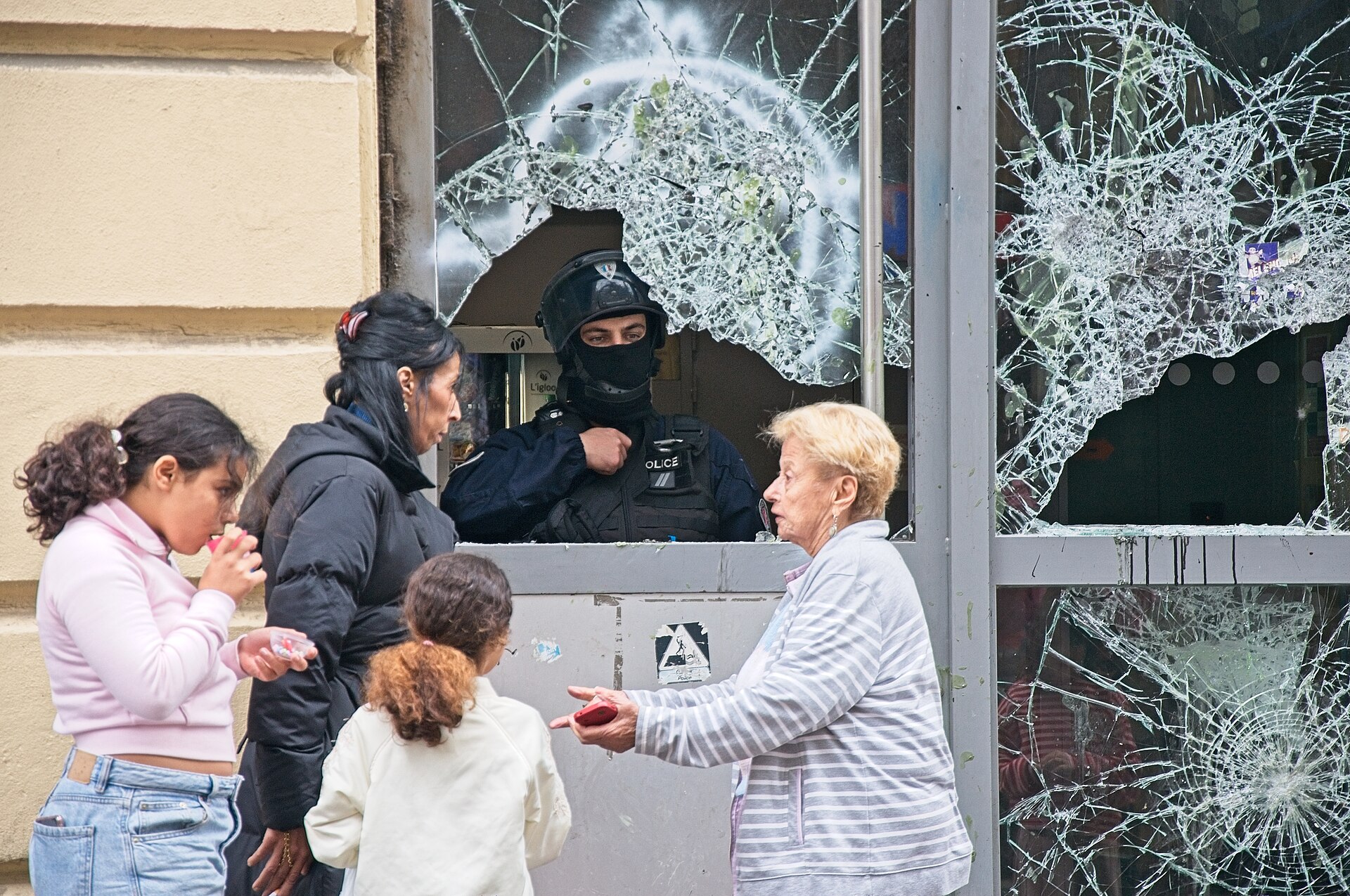
France’s escalating riots expose the dangers of political extremism, antisemitism and radical alliances, offering America a stark warning about the future of Western democracy.

23 October 2026
3.1 MINS
The one who is worthy of it all is awakening his Church to be captivated by him, so that we will honour one another and share his gospel with humility and courage.



So where are the “pious pro-Palestinians? This is dreadful news. People murdered by thugs while the West stands by and does nothing!
Thanks for revealing this horror not broadcast on main stream media.
“praying always with all prayer and supplication in the Spirit, being watchful to this end with all perseverance and supplication for all the saints—” Ephesians 6:18