


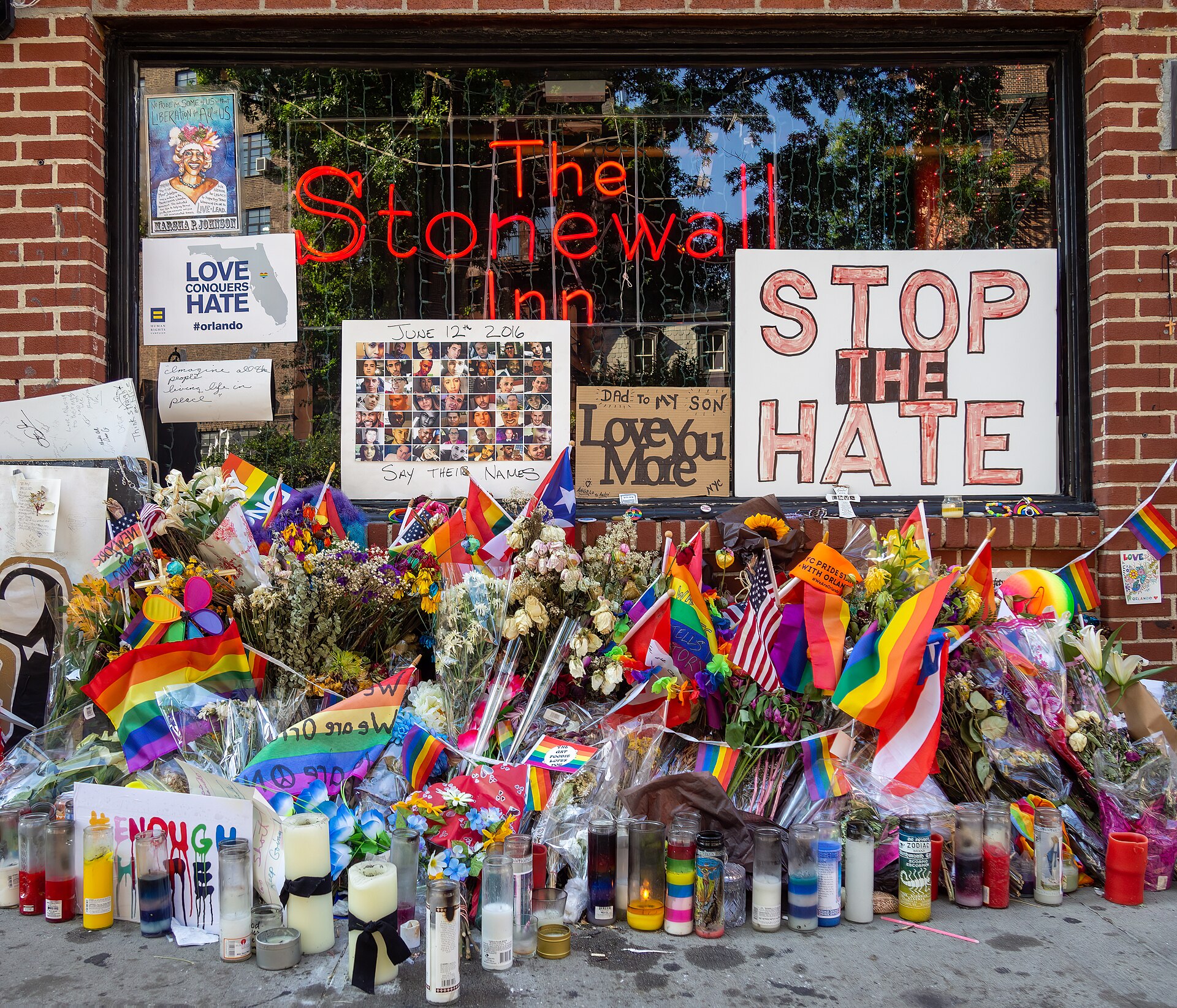
Stonewall’s Rainbow Falls: Trump Pulls Pride Flag from ‘Birthplace’ of Modern LGBT Movement
The removal of the Pride flag from Stonewall National Monument has ignited national debate in the USA, with critics decrying erasure and supporters defending neutrality on public land.
The Stonewall National Monument, located in Manhattan’s Greenwich Village, has become the epicentre of LGBT-related symbolism. Having been designated by President Obama in 2016, this is the location of the 1969 Stonewall Uprising, which many have argued to be the birthplace of the so-called LGBT rights movement.
But now, the Trump administration has directed the National Park Service (NPS) to remove a large rainbow Pride flag from the monument, causing a flurry of both outrage and celebration.
The 2026 Flag Directive
The change came quietly over the weekend of 7-9 February in conjunction with a January 2026 memorandum from the Department of the Interior.
Signed by NPS Acting Director Jessica Bowron, the guidance is meant to reinforce a longstanding federal policy that only the US flag, the Department of the Interior flag, and the POW/MIA flag are permitted on NPS-managed flagpoles.
While there is a narrow set of exceptions — like historical flags in context, military banners, or those of federally recognised tribal nations — there remains no special exemption for advocacy, activist, or identity-based symbols.
Outrage
Predictably, leftist voices erupted in outrage. Manhattan Borough President Brad Hoylman-Sigal, for example, claimed in an Instagram post that the removal was part of an attempt to “erase” LGBT-related history, further noting that this very history “cannot” be erased, and that “our Pride flag will be raised again.”
New York City Council Speaker Julie Menin (D) echoed this, calling it “a deliberate and cowardly attempt to erase that history” and “an attack on LGBTQ+ New Yorkers”. Menin insisted that “our history will not be rewritten, and our rights will not be rolled back.”
Government officials chimed in as well, with State Senator Erik Bottcher claiming the move was “a shameful attempt to rewrite history. Stonewall is where our community fought back and demanded to be seen. You cannot separate that place from the symbol that grew out of it.”
Federal Policy
Yet despite this criticism, NPS officials have firmly emphasised that this isn’t about diminishing historical events. In a statement, they clarified:
“Under government-wide guidance, including General Services Administration policy and Department of the Interior direction, only the US flag and other congressionally or departmentally authorised flags are flown on NPS-managed flagpoles, with limited exceptions. Any changes to flag displays are made to ensure consistency with that guidance. Stonewall National Monument continues to preserve and interpret the site’s historic significance through exhibits and programs.”
Ultimately, this move aligns with broader efforts from President Donald Trump to eliminate what many view as preferential treatment in federal operations toward progressive ideologies — particularly during the Biden administration — and refocus on shared American symbols.
As many have wondered, why fly one group’s flag on public land while denying others the same privilege? Some argue that this policy levels the playing field, especially for taxpayers, who are often forced to fund the favouritism of political or cultural causes.
Many supporters of the recent action have also argued that preserving history doesn’t require flying a modern advocacy flag year-round on federal property. The monument’s exhibits, signage, and educational programs remain intact, meaning that visitors will still learn about the Stonewall riots and their aftermath. Independent journalist Nick Sorter, for example, stated in a post on X how “the gay flag has NO BUSINESS being flown next to the American flag.”
A Broader Push for Government Neutrality
In related developments, several conservative-led states have advanced or enacted their own legislation to ensure Pride and other ideological flags are not displayed in classrooms, government buildings, or on public property. The assertion is that these measures promote neutrality on public land and in taxpayer-funded institutions, preventing any one group from receiving preferential symbolic treatment while allowing focus on unifying American and state symbols.
Utah led the way as the first state to enact a comprehensive ban in 2025, which took effect in May of that year, by prohibiting schools and government entities from flying any flags outside a strict list, which included the U.S. flag, state flag, military/POW-MIA flags, tribal flags, university flags, and Olympic banners. The law restricts flags from being flown that represent both sides of the political spectrum — from Pride flags to others like MAGA or BLM symbols. Violators could face fines of up to $500 per day.
Idaho followed closely behind, passing bills in 2025. One restricted displays of flags representing “political viewpoints” such as sexual orientation or gender ideology, while another limited government entities to official flags only. Montana enacted similar restrictions through HB819, signed in May 2025, which stated that “government property, including state buildings and grounds, public schools, and other government-owned facilities, should serve neutral governmental functions and not be used to promote political or ideological advocacy.”
These state-level actions, which go beyond the states mentioned, mirror the Trump administration’s federal guidance at Stonewall: refocusing public institutions on shared national identity rather than divisive activism. And so, as critics frame this as an assault on rights, supporters see it as common-sense governance that puts America first, honours the flag that unites all Americans, and stops turning national landmarks into platforms for one-sided activism.
___
Republished with thanks to The Washington Stand. Image courtesy of Wikimedia Commons.
2 Comments
Leave A Comment
Recent Articles:

13 October 2026
2.6 MINS
Allegra Spender’s proposed bill reignites debate over discrimination protections, religious freedom and the right of faith-based schools to uphold their beliefs and values.

13 October 2026
3.9 MINS
Tasmania’s proposed conversion practices law raises serious concerns for churches, parents and faith-based schools, with broad definitions, severe penalties and uncertain protections for religious freedom.

13 October 2026
5.5 MINS
Stephen Baldwin’s journey from drug addiction to sobriety, Christian faith and family life reveals how surrender, daily discipline and renewed hope transformed his life.

13 October 2026
2.1 MINS
Victoria’s assisted dying deaths have surged by 300 per cent since legalisation, while a disturbing case involving a patient’s partner raises urgent questions about safeguards.

13 October 2026
1.8 MINS
Australia faces mounting geopolitical, economic and defence threats, but its political leaders lack the statesmanship, bold vision and decisive communication needed to prepare the nation.

12 October 2026
4.6 MINS
Learn how journalists use loaded language, selective quotes and misleading headlines to shape public opinion, using a controversial report about James and Joanna Howe as a case study.

12 October 2026
3.1 MINS
The proposed livestream of Nidal Hasan’s execution has reignited debate over justice, deterrence and public accountability, with critics comparing American justice to ISIS propaganda.



Hear Hear! Support what Unites not what divides!
Good on Trump ! Never give up our Christian Australian flag. Too bad if recent migrants find it “offensive ” .