Skewed View in ‘State of the Environment’ Report
Editor’s Note: Writing in News Weekly, former President of the National Civic Council Peter Westmore points out the erroneous claims made by the Minister for the Environment which will infect national policy, further eroding our agricultural and fishing industries.
___
Unveiling the “State of the Environment” report for 2021 at the National Press Club, Labor Environment Minister Tanya Plibersek announced that “our Government will set a national goal of protecting 30 per cent of our land and 30 per cent of our oceans by 2030”.
It was clear from the Minister’s address that she was not contemplating taking control of either indigenous lands or government-controlled state forests, national parks or marine parks.
While it was not made explicit in her speech, it is clear that the “national goal of protecting” land and oceans will impose major restrictions on use of farmland, forests and oceans around Australia.
The imposition of further red tape and green restrictions will have an extremely damaging effect on productive Australian agriculture, forestry, fishing and aquaculture, on which millions of Australians depend.
That is how farmers’ organisations saw the Minister’s announcement.
Mismanagement Ahead
President of the National Farmers Federation Fiona Simpson told The Australian:
“Locking up land is not the answer, It has the potential to have the reverse effect on biodiversity, with a lack of land management allowing feral animals and plants to flourish, as well as heightening the risks from fire, drought and flood.”
She added:
“Farmers continue to do significant heavy lifting to implement controls on their own land, only to have it reinvaded and infested time and again from lack of management on public lands.”
In fact, the worst cared-for land in the country is to be found in national parks and on indigenous lands, where feral animals have free rein and invasive species grow unchecked, despite the billions of dollars spent by governments in these areas.
A representative of the fishing industry added that there were already “huge marine parks” in place controlling fishing. He said:
“I’d be concerned to think that just because the Australian fishing industry is not that big that there would be any proposal to expand what are massive, unbelievably large marine parks.”
None of these issues are dealt with in the “State of the Environment” report, which despite its pretensions, is essentially a political document, not a balanced scientific one.
This is obvious from the cover page of the online version of the report, which asserts that Australia is “sovereign” indigenous land, a claim which is utter nonsense.
Environmental Disaster
It claims that Australia’s environment is in a parlous condition and, except in urban areas, is rapidly deteriorating.
It is replete with photos of burnt-out bushland, desert landscapes, drought-stricken farmland and flooded rivers. While this is undoubtedly part of the story, it is only a minor part, as most Australians well recognise.
By every objective test — clean air, clean water, safety of agricultural produce, strong environmental laws and compliance with health-and-safety laws — Australia is ahead of most other countries.
The consequence is that Australians enjoy longer life expectancy, and suffer fewer respiratory diseases than people in most other countries.
Anyone over the age of 30 will recognise that, during our lifetime, the air we breathe, the water we drink and the food we eat are markedly better than that experienced by earlier generations, as a direct result of massive efforts to improve the natural environment.
It is true that there are areas of deficiency, particularly where feral animals and exotic diseases have severely impacted indigenous species, but there is little that most Australians can do about these problems.
That is why billions of dollars every year are allocated through a wide range of government-funded programs to deal with these issues.
The question not asked in the report is whether the huge expenditure by federal, state and local governments on environmental protection is yielding any real benefits. Instead, it makes the most alarming claims about the deterioration of Australia’s land and waterways which are not backed by any credible evidence.
The report will be recognised by most people as alarmist and fundamentally untrue.
For the Minister for the Environment to use this mendacious report to justify a further power grab against productive Australian businesses which make huge contributions to the Australian way of life is appalling.
It is the responsibility of all Australians to oppose it, and to demand proper accountability from governments of the billions of dollars spent annually on environmental protection.
___
Originally published at News Weekly. Photo: Wikimedia Commons
Recent Articles:

24 November 2026
2 MINS
A national Christian declaration against antisemitism is being launched in the wake of the Bondi massacre, calling believers to prayer, unity and practical action.

24 November 2026
4.1 MINS
US lawmakers and the State Department are pressing Egypt to free Christian convert Said Abdelrazek, while the Albanese government faces mounting criticism for its silence.
24 November 2026
3.4 MINS
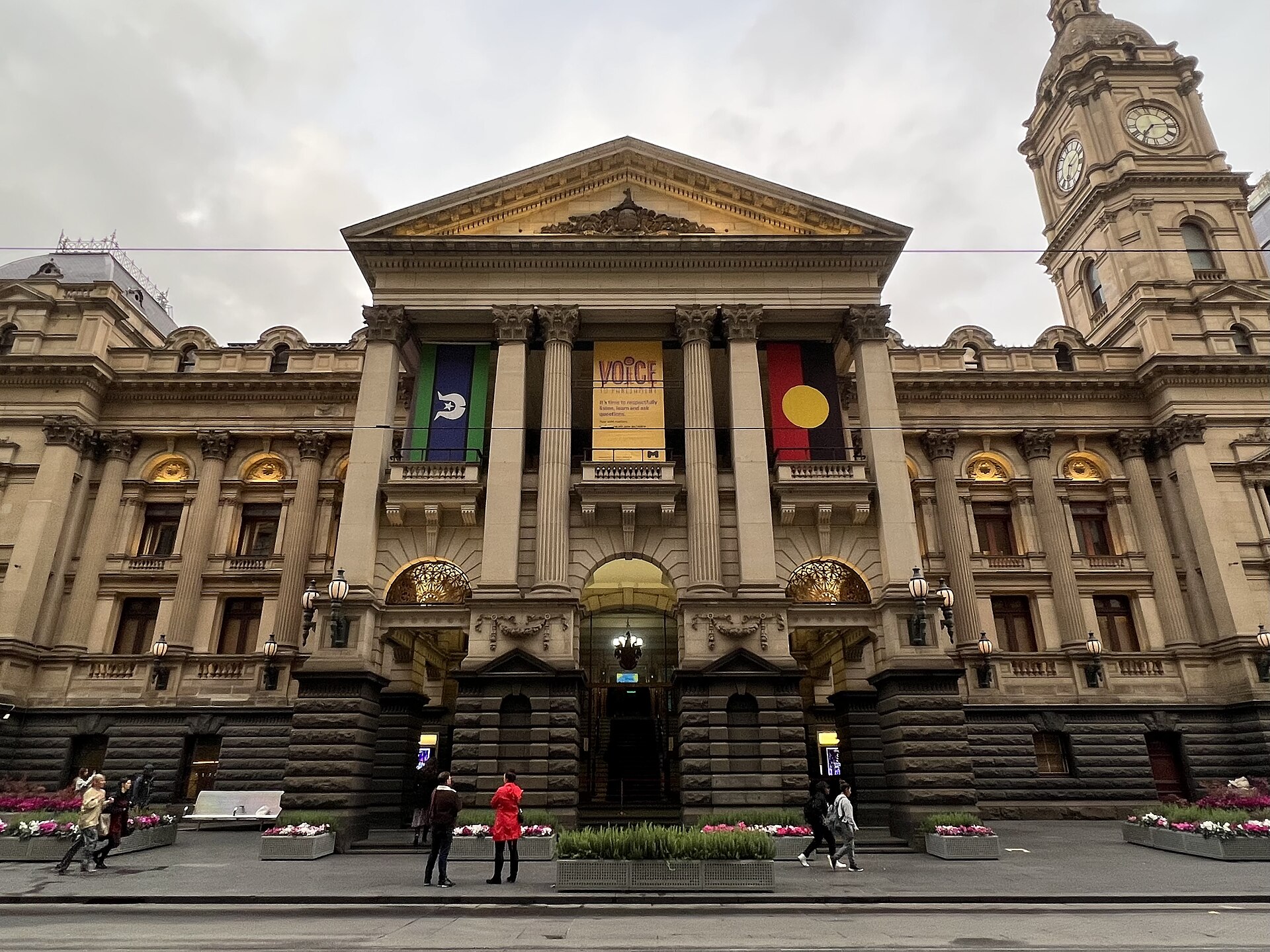
Victoria’s controversial Treaty faces growing opposition, with One Nation and the Liberals pledging to scrap it, arguing voters have already rejected race-based political representation.
24 November 2026
4.8 MINS
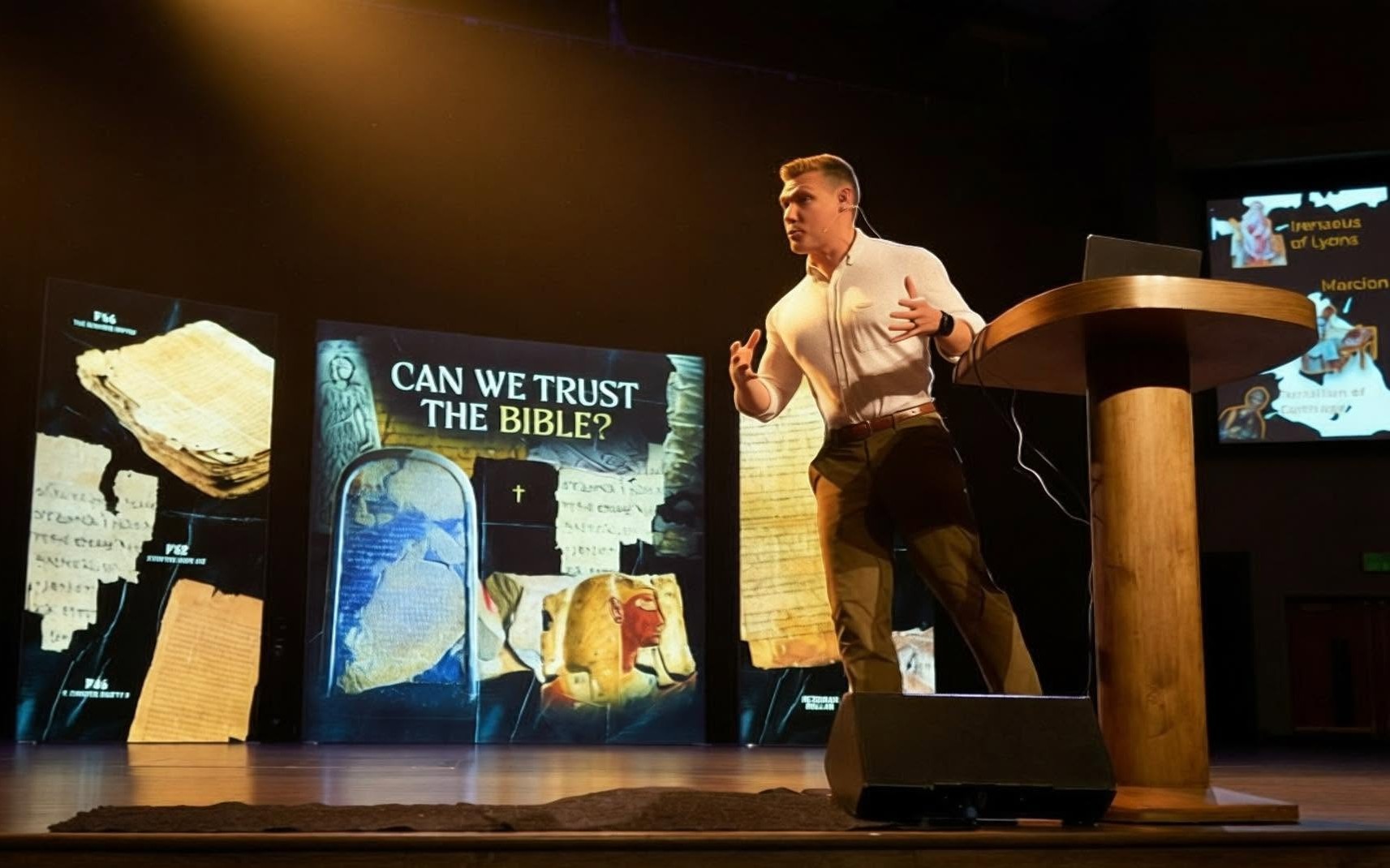
Wes Huff’s public confession of plagiarism raises difficult questions about integrity, accountability and forgiveness, while offering a powerful reminder that God’s grace remains sufficient for the repentant.
23 November 2026
3.1 MINS
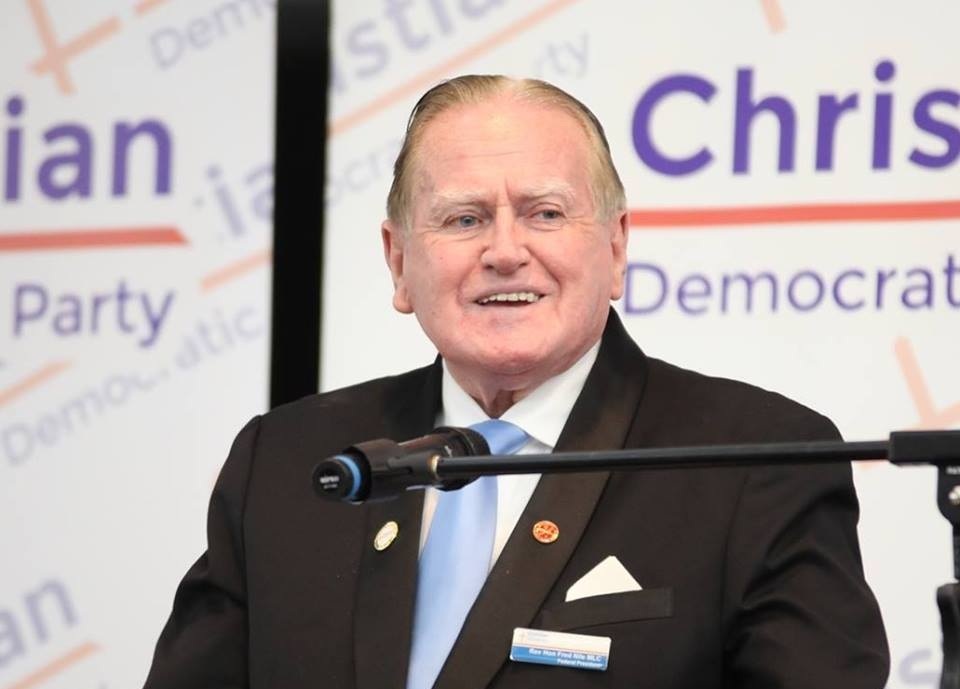
Rev Fred Nile was a fearless Christian voice in Australian politics, a tireless defender of biblical values and a controversial figure whose legacy deserves both honour and reflection.
23 November 2026
4.2 MINS
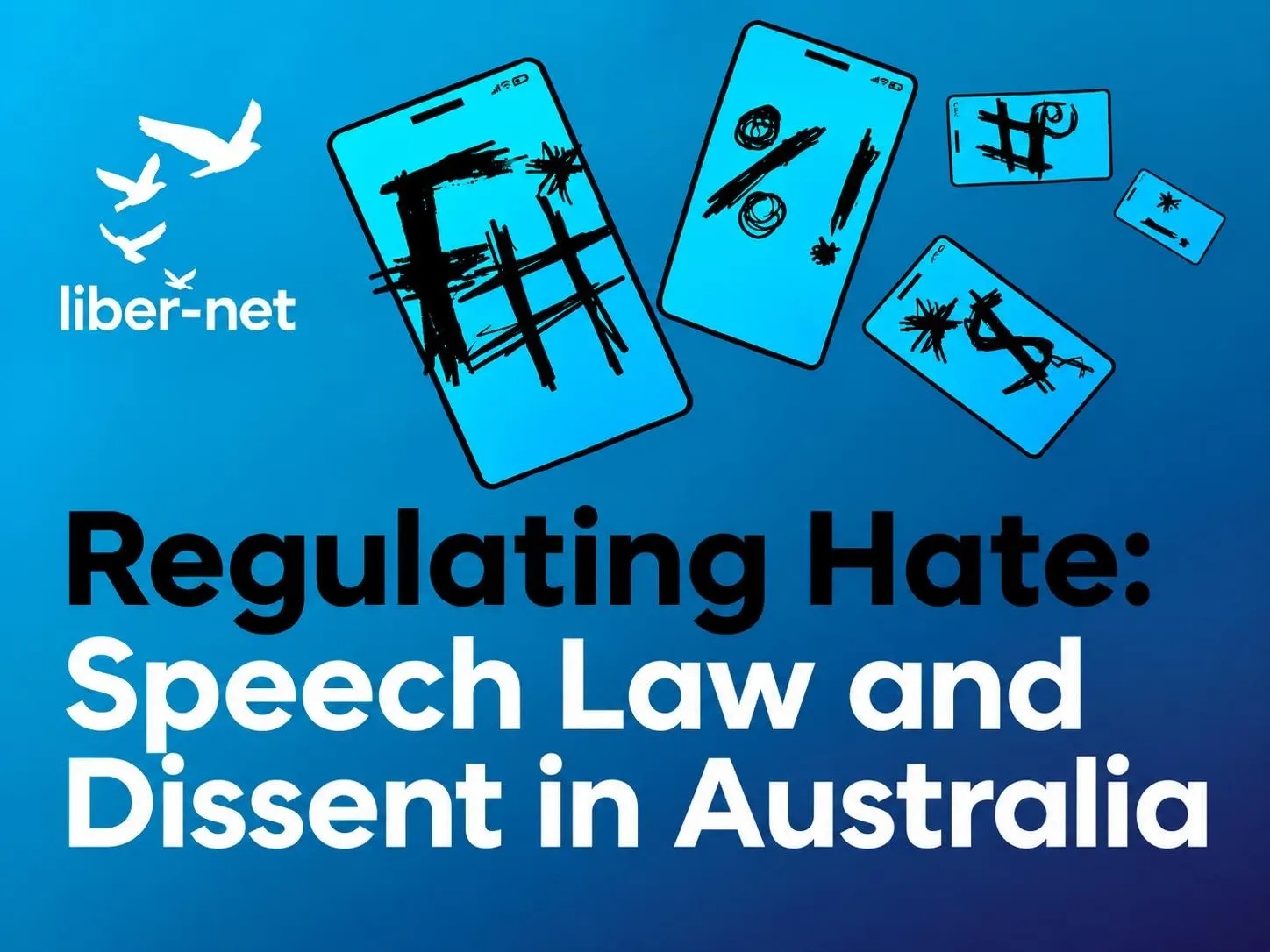
Australia’s expanding hate speech laws and online controls are raising serious questions about free expression, democratic freedoms and the future of multiculturalism in Australian society.
23 November 2026
5.3 MINS
The Reverend Fred Nile devoted more than four decades to Christian public service, standing firmly for his convictions and leaving a lasting legacy of faith and courage.