Moral Injury — An Event that Violates Deeply Held Moral Beliefs or Values
Moral injury is an event that violates deeply-held moral beliefs or values. It can cause a profound psychological distress that results from actions, or lack of them, which deeply impacts one’s moral code. (Williamson, Murphy and Greenberg, 2020)
It may be something I have done, deeply personal and not necessarily known to any person other than myself. It may be something I have done that involves others, even without them ever knowing. It may be something that has been done to me or I have witnessed done to others. It may be something that I have been compelled or obliged to do by others with the power to enforce it, or because they did not support me as they ought.
It may at times simply be the “failure” or not having the capacity and time to give assistance or care when such was necessary. It is more than “just” a traumatic event. It is also something more than “just” guilt, although this may also have to be dealt with. Even when the event involves no actual physical describable trauma, it is still a violation and it needs to be recognised as such as part of recovery.
Recognising/acknowledging the reality/truth of what happened, that it was more than just a traumatic or tragic event, that it ran in opposition to deeply held morals, that it was the result of a deliberate, non-accidental, course of action that was in conflict with those morals — even if it seemed there was no other course of action when it might have been the lesser of two evils — is required for recovery to occur.
One has to recognise the difference between this distress and other traumatic events; and recognise the “normality” of the particular distress. “Oh! So that’s why I feel so bad.” “Oh, that’s such a relief.”
And that might be all that is needed for spontaneous — even if guided — recovery to occur. For others, recovery may be protracted and intense, and the following may be helpful:
- What happened? Tell me the story. How did it come about? This is what I remember.
- Why? Further detail regarding circumstances. Was it preventable? Might it have happened differently?
- If only’s
- Anger (at significant others, those in authority, doctor, hospital, self, God)
- Resentments & Appreciations (were there any?)
- Unfinished business
- Guilt
- Mourning/crying/grieving/agony/lament.
- Goodbye. May take many years. Including to ongoing relationships and privileges.
- Letting go e.g. as per the Serenity Prayer
- Hello to the future (to relationships at a different level; to new relationships; to wholeness and freedom)
- Forgiveness of others and self (if necessary and as appropriate; is incomplete until we have acknowledged wrong and felt appropriate agony and anger and anguish and grief)
The above may be expressed as a diary entry to self or God, or a letter to God, or to parents, spouse, deceased, significant others — or just a written record.
Feelings are to be felt rather than analysed, and not judged according to rightness or wrongness. Mixtures of feelings all at the one time are OK.
“Staging” is artificial. We can move back and forth through the whole spectrum and this is also OK.
The use of the empty chair technique may be helpful in some of these categories.
___
See Luke’s Journal, Vol. 26 No. 1, February 2021, Moral Injury Conference.
Originally published at Choose Life Australia.
Photo by Tamara Bellis on Unsplash.
Recent Articles:
25 November 2026
3 MINS
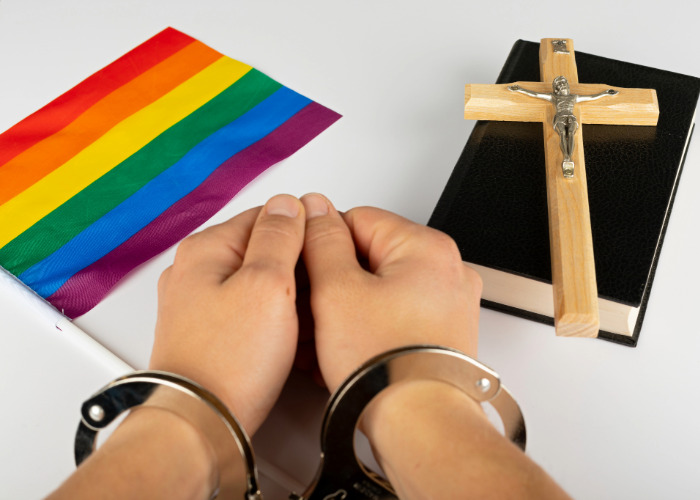
The bill passed its first upper house vote on 19 November. Victoria’s equivalent law captures prayer ministry and carries penalties of up to 10 years in jail.
25 November 2026
5.8 MINS
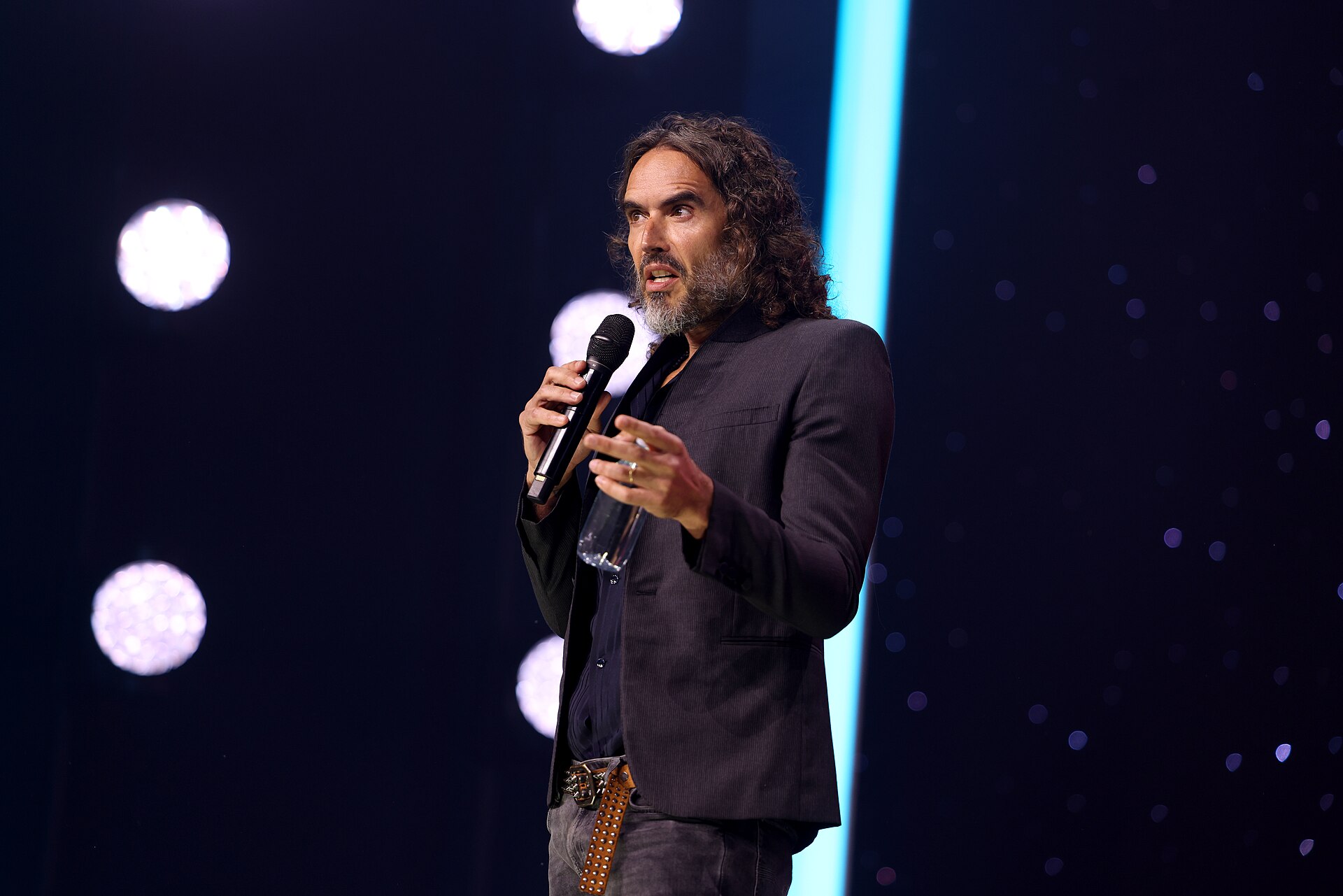
The cases of Russell Brand and seven Cornell students raise troubling questions about due process, media-driven accusations and whether justice is being sacrificed to public hysteria.
24 November 2026
2 MINS
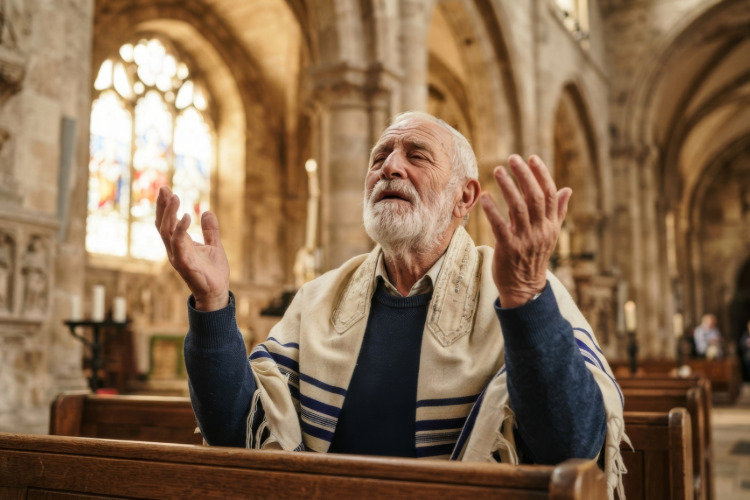
A national Christian declaration against antisemitism is being launched in the wake of the Bondi massacre, calling believers to prayer, unity and practical action.
24 November 2026
4.1 MINS
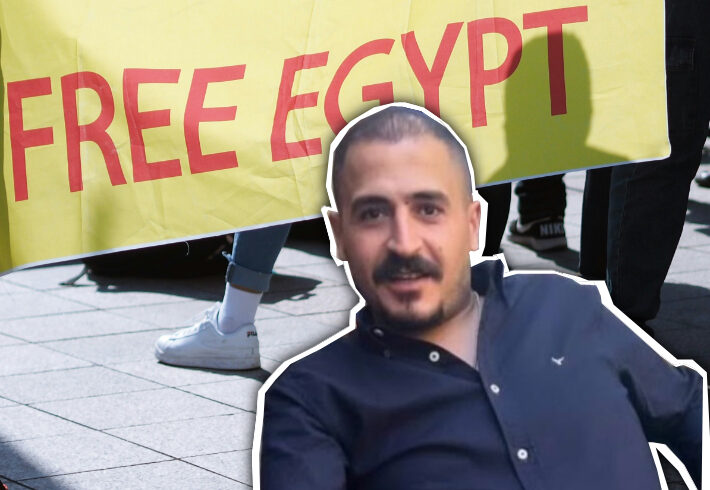
US lawmakers and the State Department are pressing Egypt to free Christian convert Said Abdelrazek, while the Albanese government faces mounting criticism for its silence.
24 November 2026
3.4 MINS
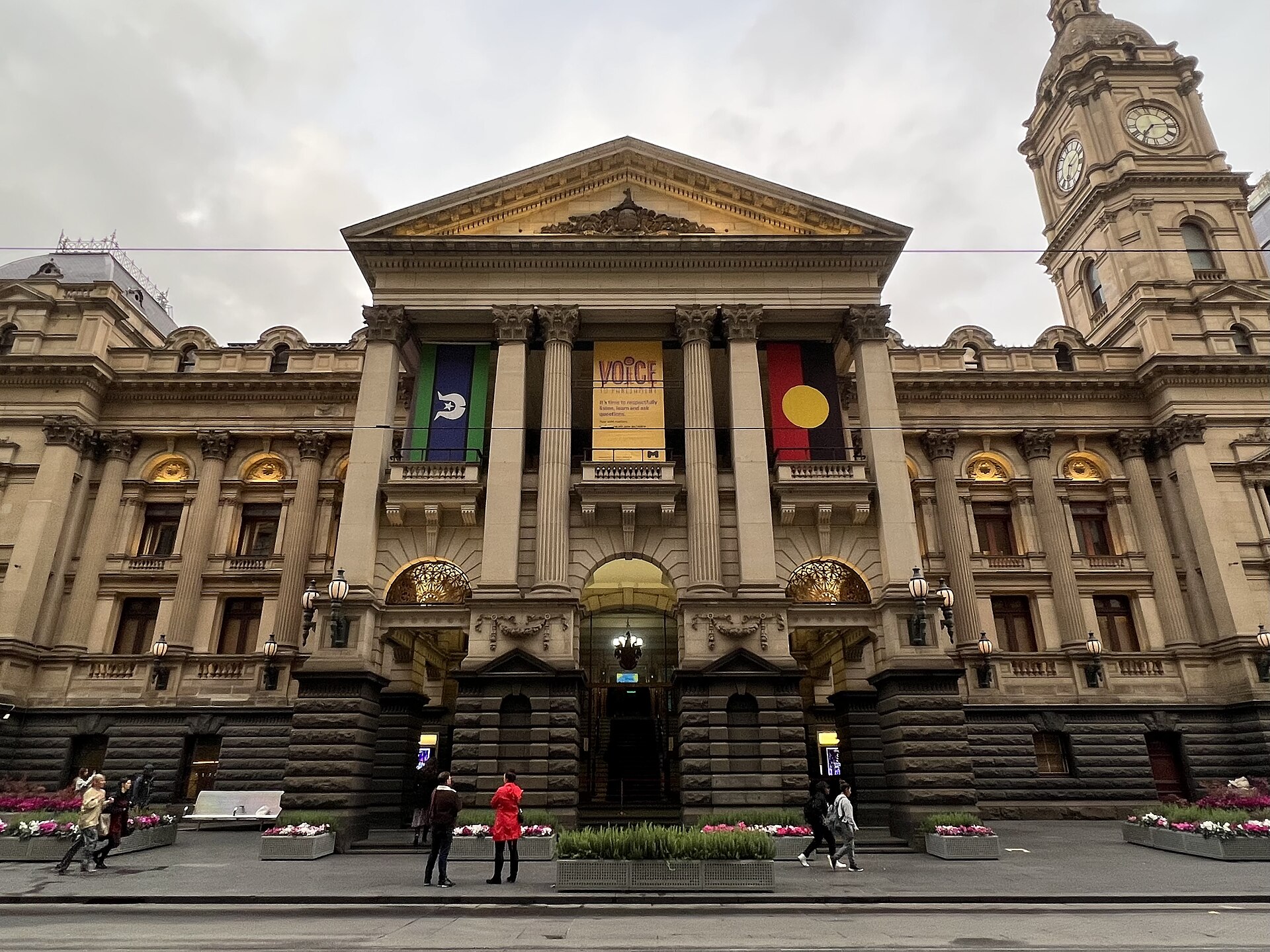
Victoria’s controversial Treaty faces growing opposition, with One Nation and the Liberals pledging to scrap it, arguing voters have already rejected race-based political representation.
24 November 2026
4.8 MINS
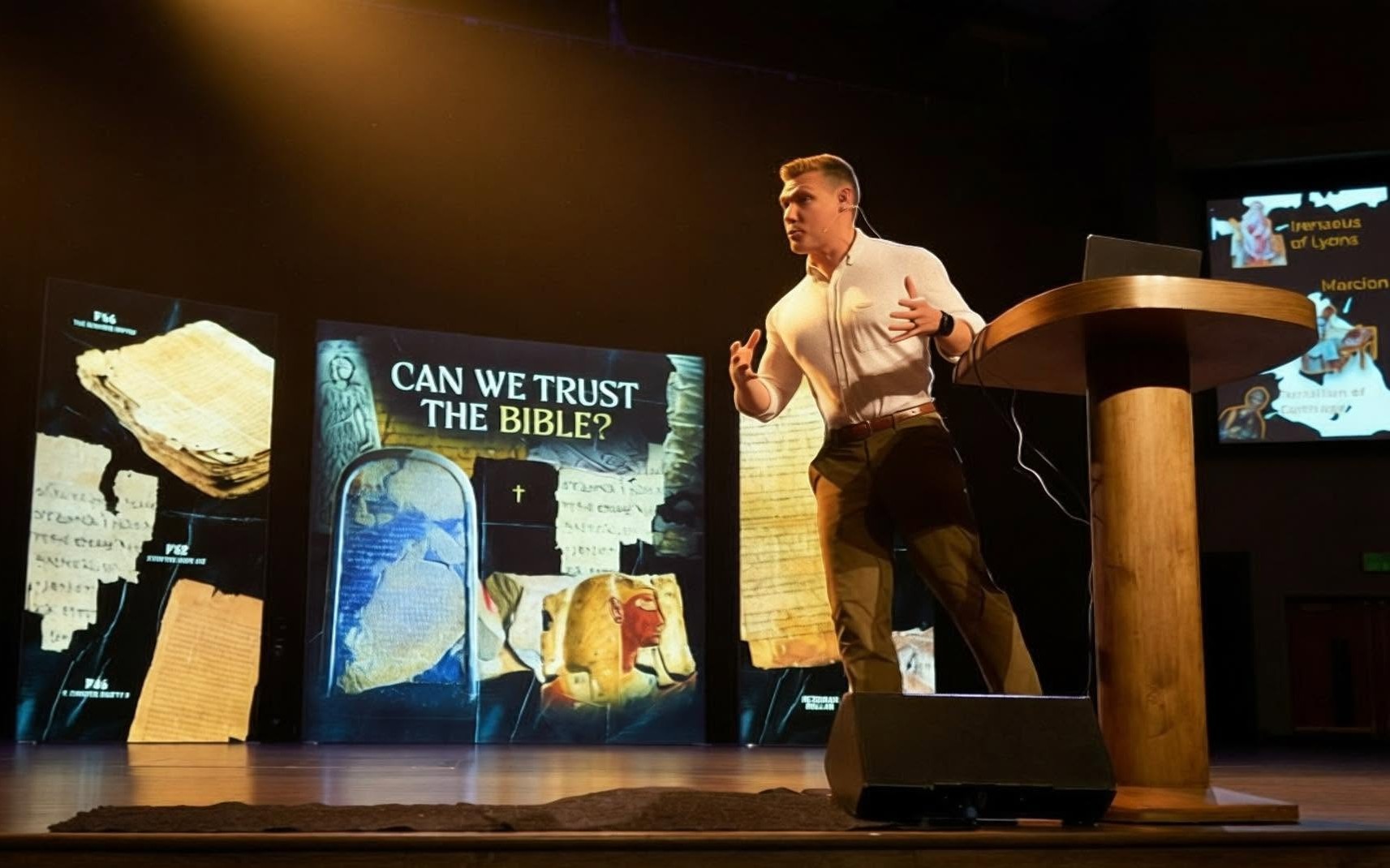
Wes Huff’s public confession of plagiarism raises difficult questions about integrity, accountability and forgiveness, while offering a powerful reminder that God’s grace remains sufficient for the repentant.
23 November 2026
4.2 MINS
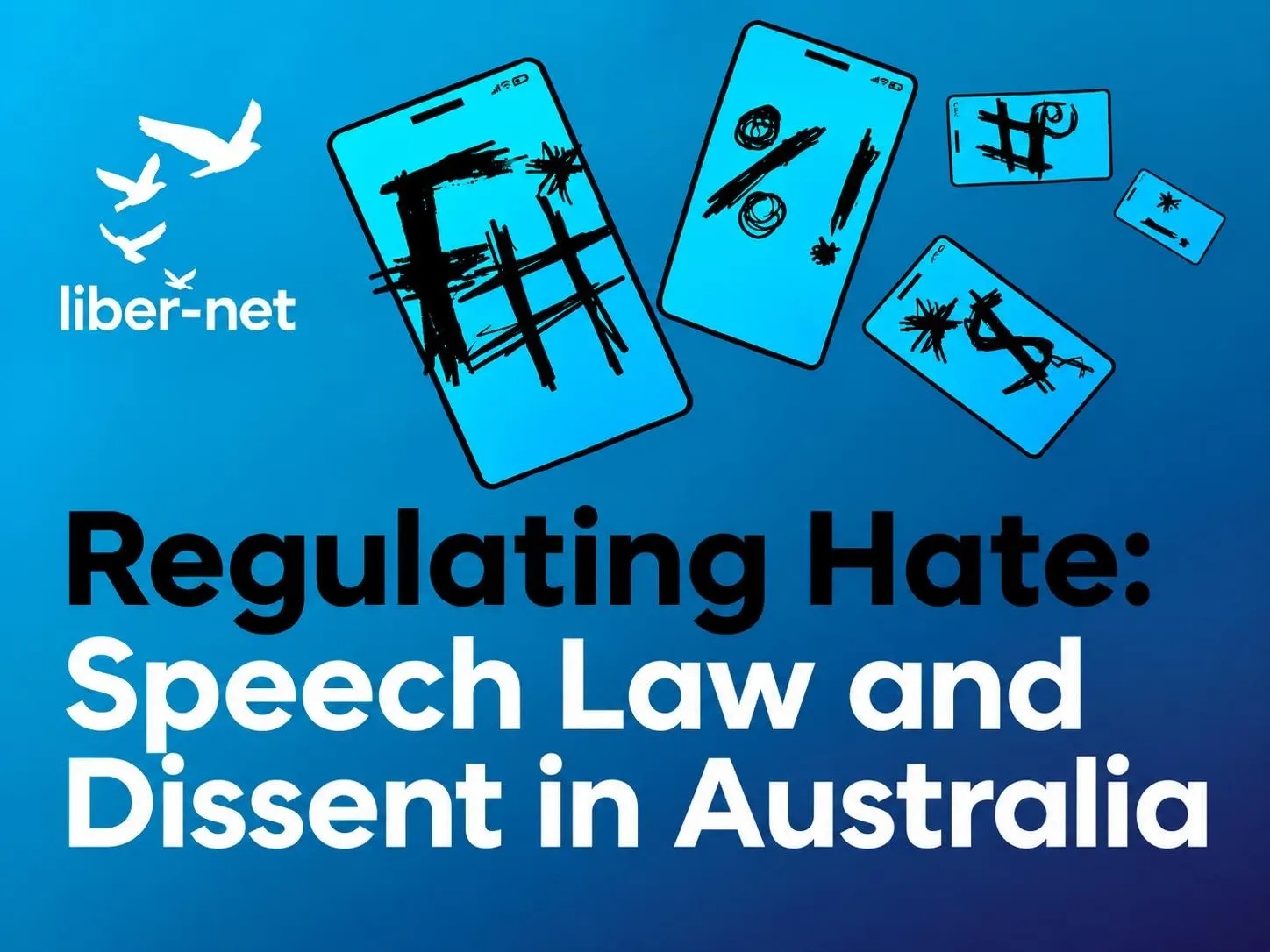
Australia’s expanding hate speech laws and online controls are raising serious questions about free expression, democratic freedoms and the future of multiculturalism in Australian society.