


How Churches Can Make Small Changes to Unleash Evangelism Across Australia
There are at least two big bottlenecks that can hold back evangelism in the Australian church. By addressing them with small, purposeful changes, we can greatly expand our community impact and open more doors for meaningful conversations about faith.
Making disciples is complex. My approach to fostering systemic change is to focus on identifying particular bottlenecks to the witnessing and disciple-making processes of the Australian church, and from there to identify small, focused changes that release a lot of difference. Here, in my opinion, are two of the big ones.
1. Evangelistic Services
Bottleneck 1: Most churches’ main Sunday gatherings are withdrawn from the world. Mission happens “out there” and worship is “in here”. Services are shaped for existing Christians, so only Christians attend, forming a vortex or privatised faith. The “missional versus attractional” false dichotomy has had this severe unintended consequence.
Change 1: Intentionally make services more public, the content more milky, and the preaching more evangelistic. If you want to show Australians Christ, show them the body of Christ! “By this everyone will know you’re my disciples…” — when they see and experience loving Christian community.
As the Apostle Paul says in 1 Corinthians 14:6, “How can someone else, who is now put in the position of an inquirer, say ‘Amen’ to your thanksgiving, since they do not know what you are saying?” In other words, we should amend our gathered practices to accommodate the enquirer. The strong must accommodate the weak.
This connects to gospel-saturation points by: involving the whole church as a priority of its main meeting (1), and every believer, instead of witnessing or disciple-making being a periphery ministry for a few (2). It develops every preacher and worship leader as evangelists, as their words model evangelism to each individual (3). Prayer for unbelieving friends, family and neighbours becomes part of weekly liturgy (5), and all participants are directly encouraged to share and invite others along (4).
2. Net Fishing
Bottleneck 2: ‘Moby-Dick fishing’. Australian Christians’ approach to invitation tends towards discerning one friend who may be a likely or possible convert, and focusing prayer, conversation and invitation on that single individual. This can lead to obsession and disillusionment.
Change 2: Encouraging ‘Net fishing’ where believers put out much broader invitations (to church, Alpha, etc.) to all their contacts, regardless of whether or not they “seem likely”. We know God’s Kingdom is full of unlikelies. Encouraging believers to invite all their friends, instead of “wondering whether there is a friend they might like to invite” is a small change with a huge multiplier of difference. Many Australians would receive multiple invitations, and far more general public discourse adds to virality.
This connects to gospel-saturation points by: being readily doable by the whole church (1), activates all believers far more effectively (2), supports and draws out the ministries of gifted and trained evangelists by increasing attendance at their events (3), and leads believers towards prayer for (5) and sharing with (4) all their contacts rather than one, at best.
Founded in 1984, Crossover is a national initiative of Australian Baptist Ministries. For nearly 40 years they have been providing encouragement, training and resources to help Australian Baptists share Jesus.
___
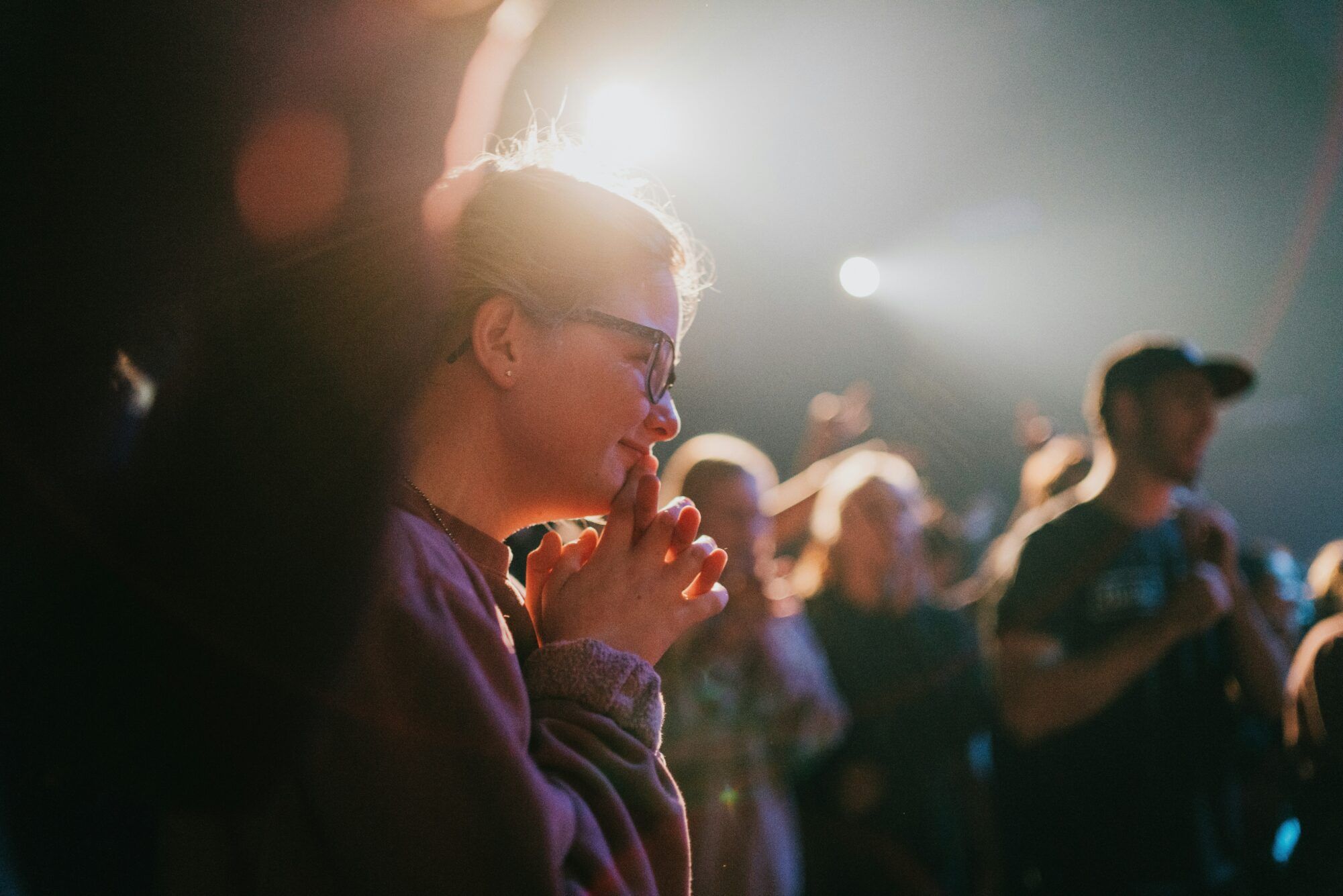
Image courtesy of Unsplash.
2 Comments
Leave A Comment
Recent Articles:
30 September 2026
2.8 MINS
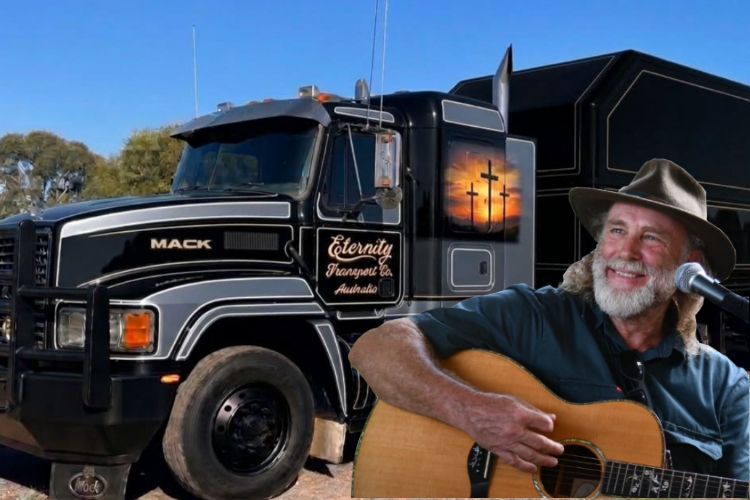
Steve Grace’s Eternity Truck is bringing music and the Gospel beyond church walls, taking a mobile concert stage to remote communities and country towns.

30 September 2026
3.2 MINS
In an increasingly secular and pluralistic Australia, Christians must recover their confidence in proclaiming Jesus Christ as the unique, sufficient and only Saviour.

30 September 2026
3.8 MINS
The Government says online safety requires accountability, yet its proposed powers would let the eSafety Commissioner create anonymous accounts and AI-generated material.

30 September 2026
6.3 MINS
An elderly Christian woman’s disputed death under Canada’s MAiD system raises troubling questions about consent, safeguards, family involvement and the value placed on human life.
29 September 2026
15.9 MINS
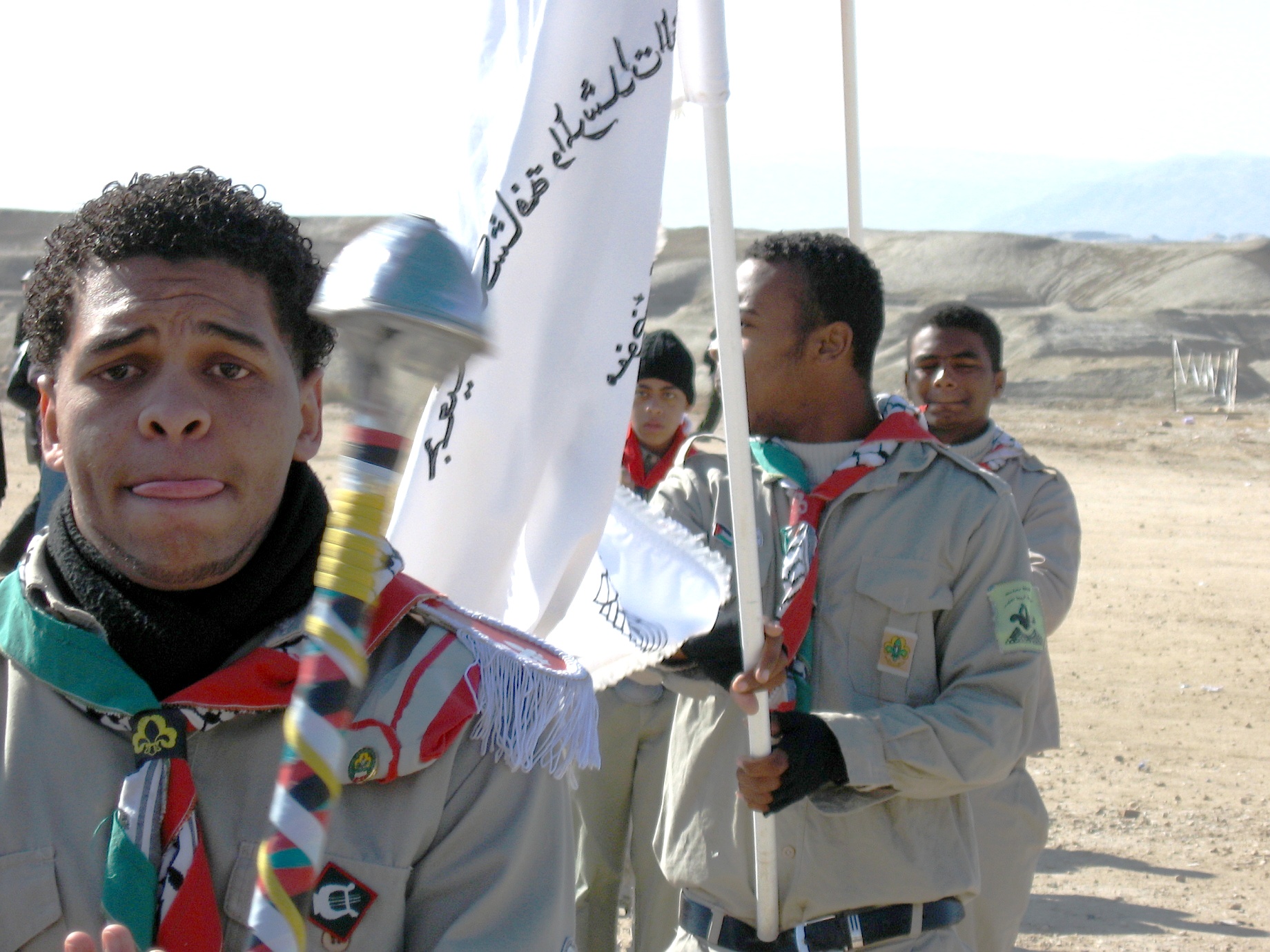
Western Christians must carefully consider Palestinian Christian claims about Israel, the legacy of dhimmitude, and how fear and persecution may shape today’s political narratives.
29 September 2026
2.8 MINS
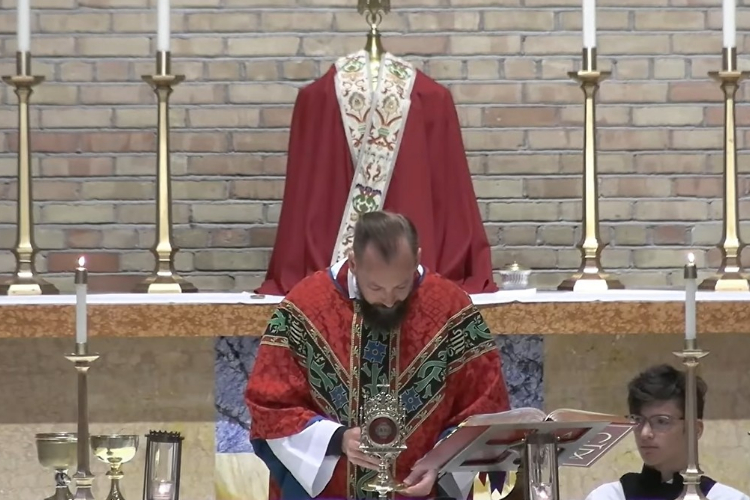
A Minneapolis priest’s emotional response during Communion has captivated viewers worldwide, prompting a personal explanation of his spiritual experience and calls for theological discernment.
29 September 2026
3 MINS
New research suggests more Britons, especially younger men, are attending church—but growing numbers need solid biblical teaching to understand the faith they are exploring.



Good insights Andrew!!!!!
Some online city dwellers have formed a process of Gospel sharing by encouraging groups of Christians to interact with groups of their work-mates etc in sport or whatever suits, outings / activity groups; then go as a group to the other group”s entertainment ( E.g. pub night of entertainment) then at an appropriate moment and time invite the ‘pub group’ to their church group morning etc. . And it works !
The philosophy: if just one Christian shares his faith, “well that’s just his thing!” but if bunch of their ‘friends” do the same then “Perhaps there is something in this!” and they are more likely to give it a hearing!